Japanese Houses with Container-like Shells
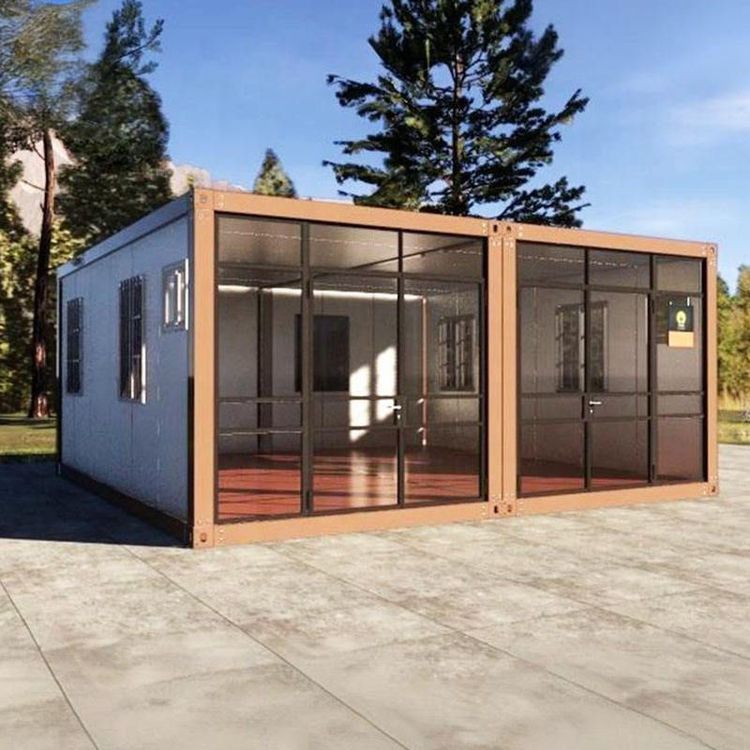
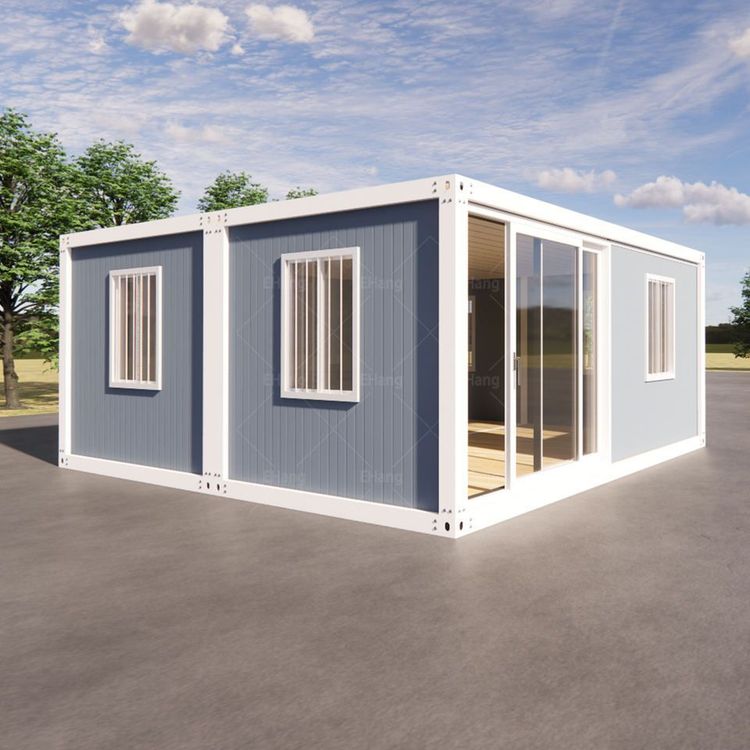
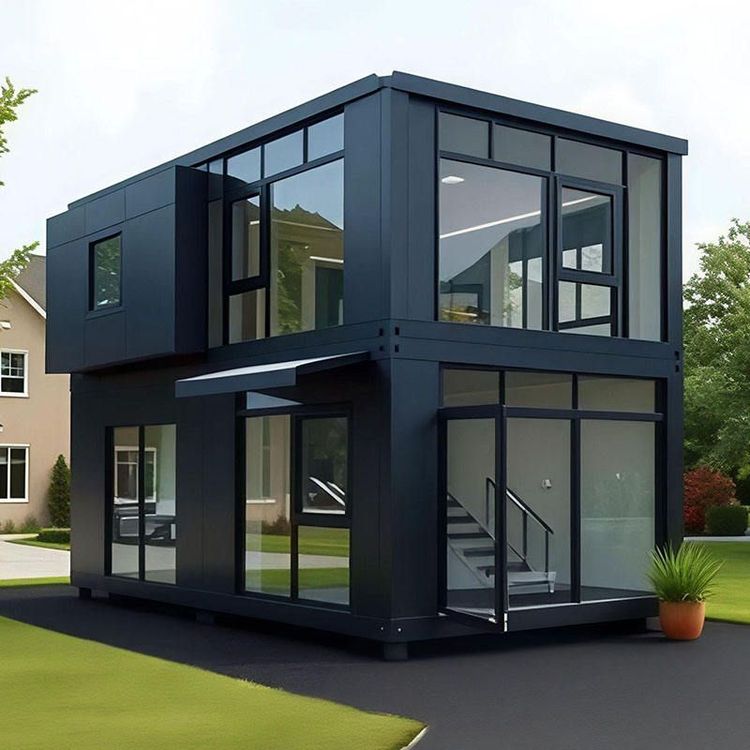
Some houses in Japan have shells similar to containers, commonly seen in specific scenarios. For example, the Athletes' Village for the 2026 Nagoya Asian Games used container houses as accommodation facilities for athletes. These buildings are transformed from standard containers as their basic structural modules, featuring unique design characteristics and functional attributes.

The Essence and Uses of Container Houses
Container houses are built by modifying the interior space of standard containers, adding doors, windows, and water and electricity systems to make them habitable. Their core advantages lie in environmental friendliness (recycling used containers), flexibility (modular design for quick assembly and disassembly), and low cost (lower material and construction costs compared to traditional buildings). These structures are commonly found in construction sites (as temporary dormitories for workers), disaster relief (for rapidly setting up emergency housing), and short-term event venues (such as temporary camps for exhibitions and music festivals).
Practical Case at the 2026 Nagoya Asian Games
To reduce event costs, the organizing committee of the 2026 Nagoya Asian Games used container houses to build the Athletes' Village, naming it the "Asian Games Villas." However, numerous issues emerged during actual use:
- Cramped Space: Insufficient bed sizes, narrow aisles, and low ceilings restricted athletes' movement;
- Functional Defects: Improperly placed air conditioners affected usability;
- Lack of Comfort: Despite attempts by the organizing committee to enhance the image through exterior decorations, the interior conditions remained rudimentary.
This case indicates that while container houses can meet basic living needs, further design optimization is required for long-term use or scenarios with high comfort requirements.
Design Characteristics and Limitations
Container houses retain the rectangular structure and metal shell of containers, featuring an industrial style and high recognizability. Their limitations are mainly reflected in:
- Space Constraints: Standard containers have fixed dimensions (e.g., 20 feet long and 8 feet wide), with an interior height of about 2.4 meters, making it difficult to break through physical boundaries after modification;
- Thermal and Sound Insulation: The metal shell has high thermal conductivity, requiring additional insulation layers; seams are prone to noise and need special treatment;
- Adaptability: In extreme climates or geological conditions, structural stability and corrosion resistance need to be enhanced.
In summary, container-like designs in Japanese houses are mostly found in temporary or low-cost scenarios, with core values in rapid deployment and resource conservation. However, trade-offs between space, comfort, and functionality need to be considered.