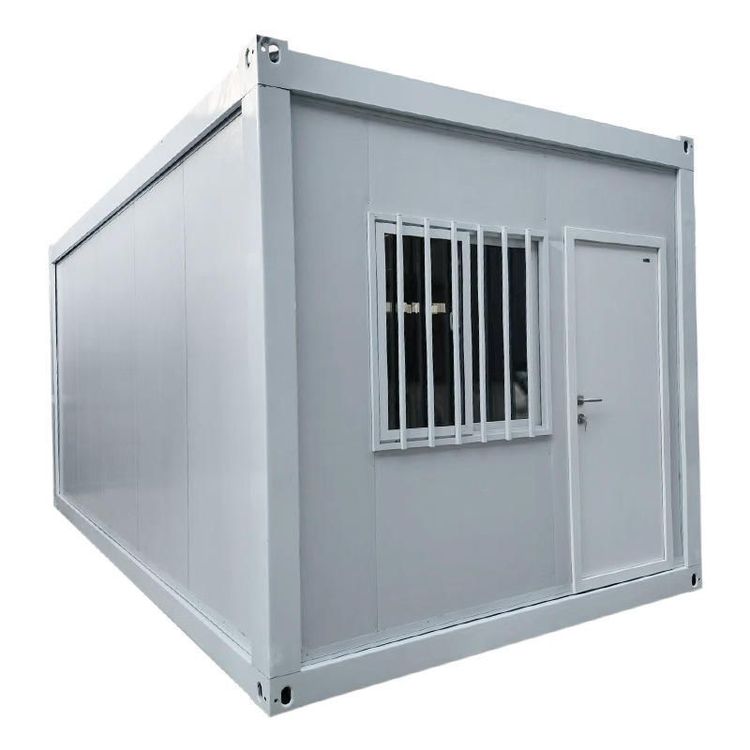
House Bulk Orders: What Buyers Should Know
House bulk orders require buyers to focus on six core aspects: cost, supply chain, quality, risk, negotiation, and sample verification, in order to balance price advantages with potential risks.

1. Cost Advantages and Price Negotiation
The core advantage of bulk purchasing lies in reducing unit costs through economies of scale. Suppliers typically offer tiered pricing, where larger order volumes may result in lower unit prices. For example, in furniture procurement, bulk orders may qualify for customized services or discounts. However, it is important to note that the initial quote is merely a starting point for negotiation. Buyers should leverage market conditions, order size, and supplier competition to secure better terms, avoiding the acceptance of initial quotes without negotiation.
2. Supply Chain Management and Delivery Timeliness
Bulk orders necessitate advance planning of production cycles and delivery schedules, with particular attention to external factors affecting timeliness. For instance, during the 2026 Canton Fair, factors such as the Chinese New Year, exhibition schedules, and concentrated hotel orders may strain supplier capacity. Buyers should clarify time milestones with suppliers and allocate buffer periods to address unexpected delays.
3. Quality Verification and Supplier Qualifications
Before bulk procurement, it is essential to verify supplier qualifications to avoid purchasing substandard products mislabeled as “export-quality.” Quality can be validated through material testing, factory audits, and third-party certifications. For example, the 2026 Canton Fair guidelines emphasize that buyers should compare the materials and craftsmanship of samples with bulk products to prevent quality issues arising from production standard discrepancies.
4. Risk Mitigation and Trade Policies
Buyers must closely monitor changes in target market trade policies, particularly compliance risks such as tariffs and anti-dumping measures. For instance, the 2026 furniture industry alert highlights differences in U.S. tariff policies for mattresses and sofas. Before bulk imports, buyers should assess compliance costs to avoid additional expenses or cargo detention due to policy adjustments.
5. Sample Confirmation and Small-Batch Trial Orders
Before placing bulk orders, buyers should request samples for testing, focusing on verifying material, craftsmanship, and functionality against requirements. Given potential discrepancies between samples and bulk products, a small-batch trial order is recommended to further reduce risks and ensure quality consistency during large-scale production.
6. Industry-Specific Characteristics and Strategy Formulation
The industry characteristics of different housing products (e.g., furniture, building materials) vary significantly, requiring buyers to tailor procurement strategies to specific categories. For example, furniture procurement may prioritize design customization and delivery timelines, while building material procurement may focus more on raw material stability and transportation costs.
Bulk procurement requires a balanced consideration of price, quality, and delivery risks, with systematic process management to maximize benefits.
You may also like

Portable Toilet Eco-Friendly Specifications Size & Area Guide: Finding the Right Fit
Read More
Portable Toilet Eco-Friendly Design in 2026: Buying Guide & Recommendations
Read More
House Design: The Complete Buying Guide
Read More