Is the Sound Insulation of Container Houses Very Poor?
The sound insulation effect of container houses is not necessarily poor, but ordinary iron-sheet container houses generally have weaker sound insulation performance. Container houses that have undergone professional design and renovation can effectively improve sound insulation. Here is a detailed analysis:

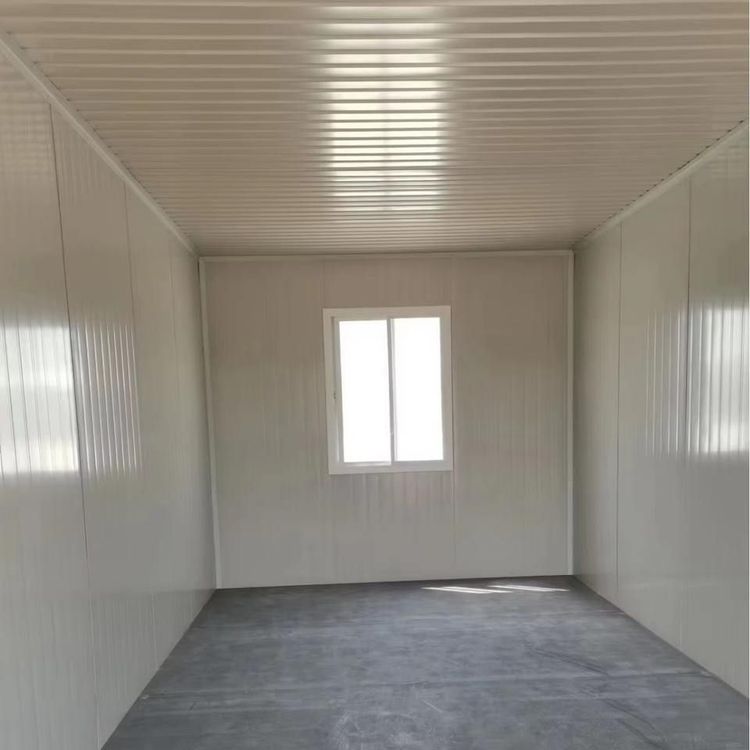
Poor Sound Insulation in Ordinary Iron-Sheet Container Houses Traditional container houses are mainly structured with metal sheets. Metal materials have a significant sound-conducting effect, allowing external sounds such as wind, human voices, and mechanical noises to easily penetrate the container and enter the interior. For example, the container dormitories at the Nagoya Asian Games required athletes to wear earplugs to sleep due to their basic iron-sheet structure. Temporary container houses on construction sites can reach an internal noise level of 65 decibels under mechanical operation, which can affect health over long-term residence. Due to cost constraints, these houses often lack sound insulation treatments for walls and doors and windows, making poor sound insulation a common weakness.
Professional Renovation Can Significantly Improve Sound Insulation Performance By optimizing materials and structural design, the sound insulation effect of container houses can approach that of traditional buildings:
- Walls and Ceilings: Adding sound insulation, shock absorption, and sealing layers, such as filling with high-density rock wool and laying sound insulation mats, can block sound transmission paths. For example, Zeyu container houses use environmentally friendly, flame-retardant sound insulation materials to effectively solve the problem of poor sound insulation in traditional containers.
- Door and Window Systems: Choosing double-glazed, insulated aluminum windows with sealing strips can reduce sound penetration through gaps in doors and windows. Container shops in cultural tourism scenic spots can meet the sound insulation requirements of homestays, teahouses, and other scenarios through such renovations.
- Structural Reinforcement: Enhancing the stability of container connections reduces secondary noise caused by vibrations. For example, fully welded container structures exhibit only 0.3 millimeters of deformation in collapse resistance tests, far superior to bolt-connected containers, thereby reducing noise generation at the source.
Sound Insulation Effect is Constrained by Usage Scenarios and Costs Low-end container houses (priced between 5,000 and 8,000 yuan) often have limited sound insulation performance due to material and process constraints. In contrast, high-quality products (priced between 11,000 and 16,000 yuan) can achieve sound insulation effects comparable to those of brick-and-mortar houses through professional renovations. Additionally, temporary usage scenarios (such as construction site dormitories) may sacrifice sound insulation performance due to cost considerations, while long-term residence scenarios (such as cultural tourism homestays) place greater emphasis on sound insulation optimization.