
Is the Mobile Toilet Wind-Resistant?
There is no absolute answer to whether mobile toilets are wind-resistant, as their wind resistance is influenced by multiple factors.
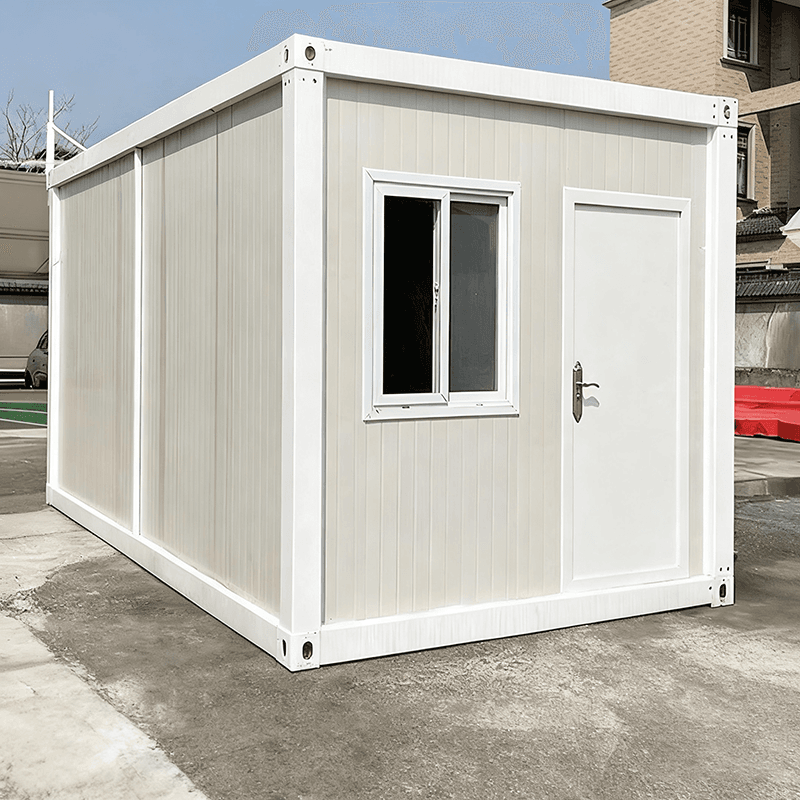
I. Structure and Weight of the Toilet Itself Mobile toilets with a reasonable structural design, a low center of gravity, and built-in weights have stronger wind resistance. For example, mobile public toilets with a sturdy frame structure and heavy weights at the bottom have significantly improved stability. Some products are also equipped with ground-fixing devices to further reduce the risk of being blown over. Conversely, simple, lightweight plastic mobile toilets with a high center of gravity are prone to being blown over in strong winds due to their poor stability. For instance, a standard fiberglass mobile toilet weighs about 180 kilograms and can withstand winds up to Level 8, while lightweight plastic toilets may not achieve the same level of wind resistance.
II. Installation and Fixing Conditions The installation method directly affects wind resistance. If the toilet is firmly fixed to the ground with expansion bolts or reinforced with wind-resistant cables, the risk of being blown over is significantly reduced. Conversely, if the installation is not standardized and effective fixing is not carried out, even a structurally stable toilet may still topple in strong winds. For example, in areas prone to typhoons, properly installed mobile toilets can disperse wind forces through wind-resistant cables, while unfixed toilets may collapse due to concentrated wind forces.
III. Wind Strength Mobile toilets have a design limit for wind resistance. If the wind force exceeds their designed wind resistance level, even a stable toilet with proper installation may still be blown over. For example, in normal light breeze or low wind conditions, a properly designed mobile toilet can remain stable; however, when faced with a Level 12 typhoon (wind speed of 32.7-36.9 meters per second), even a toilet with a wind resistance level of 8 may be moved or even overturned.
IV. Installation Location The wind environment at the installation location significantly affects stability. Toilets installed in open, windy areas are more exposed to wind forces and have a higher risk of being blown over, while those installed behind buildings or in areas with obstructions experience significantly reduced wind forces and improved stability. For example, in coastal areas, toilets should not be installed on unobstructed beaches but rather on leeward slopes or near buildings.



