
Is Container House Foreign Trade Easy to Do?
The container house foreign trade market is currently in a growth phase, with development potential, but it requires leveraging regional demands and differentiated strategies to seize opportunities.
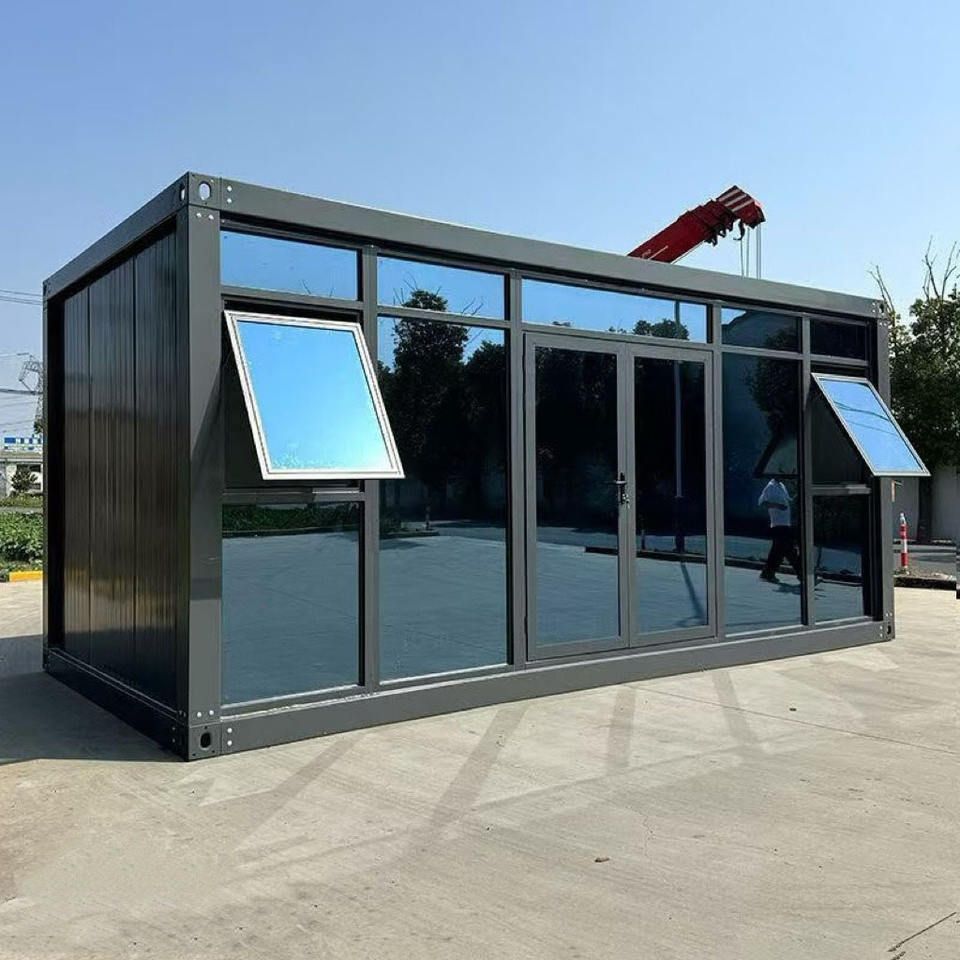
1. Regional Differentiation in Market Demand with Clear Growth Drivers
The volume of foreign trade order inquiries increased significantly in 2026, reflecting a rising global acceptance of container houses. Saudi Arabia in the Middle East has a strong demand for photovoltaic integrated houses driven by its "Vision 2030" initiative for new energy infrastructure. Norway in Northern Europe imports modular buildings for high-end residential use, emphasizing design aesthetics and environmental friendliness. Africa and Southeast Asia focus on packing-box units for engineering camps and emergency quick-assembly houses, prioritizing weather resistance and delivery efficiency. Mining camps in South America require foldable container houses that are resistant to extreme cold and earthquakes. The five Central Asian countries and Russia have seen a year-on-year export growth of over 42%, with highly customized and green energy-efficient solutions (such as solar power) becoming mainstream trends.
2. Significant Cost Advantages of Foldable Houses Make Them Core Products for Overseas Expansion
In the first half of 2026, the total export value of prefabricated buildings in China reached $2.79 billion, a year-on-year increase of 45%, with lightweight foldable houses standing out. Their volume can be reduced to one-fourth of their expanded state, reducing shipping costs per unit by over 60%. They can be put into use within hours of arrival at the port, with project implementation speeds twice as fast as traditional solutions. Additionally, their reusability further reduces long-term costs, making them irreplaceable in scenarios such as engineering camps and emergency shelters.
3. Industry Challenges Coexist with Supplier Capability Requirements
Despite the promising market outlook, three core issues need to be addressed:
- Technical Compliance: Building regulations vary significantly across countries, necessitating compliance with target market standards (such as EU CE certification and US UL certification).
- Environmental Adaptability: The Middle East requires heat and sand resistance, Northern Europe demands thermal insulation, South America needs earthquake resistance, necessitating targeted optimization of materials and structures.
- Service Capability: A one-stop solution from design and production to after-sales service is required, especially for highly customized demands (such as solar integration systems in Central Asia).
4. Strategic Recommendations: Precise Positioning and Differentiated Services
Suppliers need to adjust their product strategies based on regional demands:
- Emerging Markets (Africa, Southeast Asia): Focus on economical packing-box units, emphasizing delivery cycles and certification advantages.
- Mature Markets (Europe, America): Launch eco-friendly and smart customized products, highlighting design aesthetics and brand value.
- Special Scenarios (South American mining camps, Central Asian plateaus): Develop professional models resistant to extreme environments, supported by localized after-sales networks.
In conclusion, the container house foreign trade market presents both opportunities and challenges. The cost-efficiency advantages of foldable houses and regional customization demands are key breakthroughs, but they must be supported by technological accumulation, compliance capabilities, and full-service offerings.



