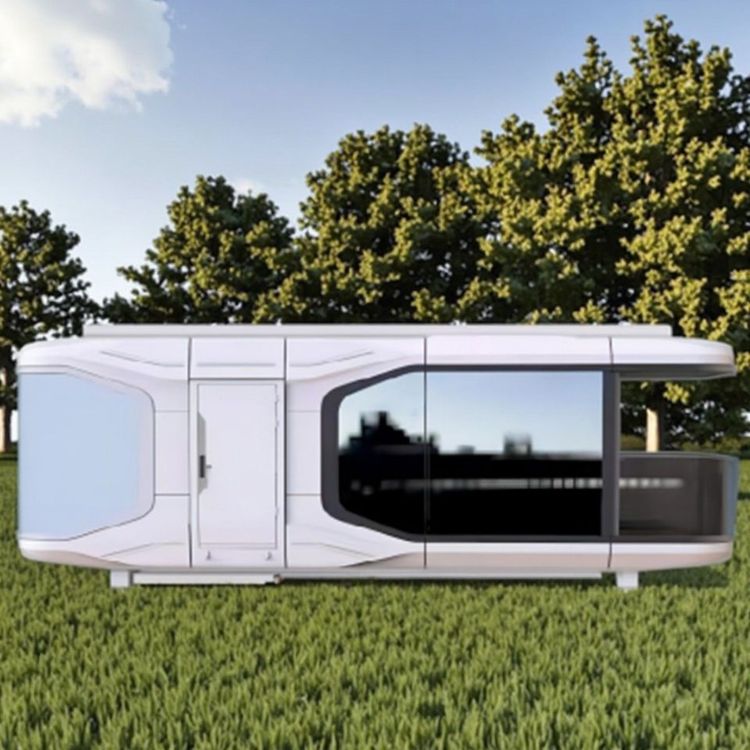
Is Container House Construction Reliable?
Container house construction exhibits diverse reliability, with both advantages and certain limitations, requiring comprehensive evaluation based on specific needs and usage scenarios.

In terms of structural strength, some brands of container houses demonstrate high reliability. For example, the packing-box units from Suzhou Zhongnan and CIMC Modular Building Systems both employ full steel structural frames. Under a wind load of Level 12, the maximum wall deformations are 1.2mm and 2.1mm, respectively, well below the national standard limit of 3mm, indicating strong wind resistance and structural stability that meets regulatory requirements. These products are suitable for scenarios with high safety demands, such as temporary disaster relief housing or fixed cultural and tourism facilities.
Usage scenarios influence reliability performance. In temporary accommodations for large-scale events, container houses have revealed spatial design flaws and quality issues. For instance, the container dormitories used at the 2026 Nagoya Asian Games suffered from insufficient ceiling height, preventing tall athletes from straightening their legs, along with quality problems like sink leaks and wet floors, sparking dissatisfaction among athletes and officials. This demonstrates that without customized design tailored to specific population needs or inadequate construction quality control, the reliability of container houses can significantly decline. Conversely, in cultural and tourism settings, such as the Yiyun Cabinet Tribe in Shanting District, Zaozhuang City, container houses have become popular characteristic homestays through reasonable layout and decorative renovations, indicating their ability to meet reliability requirements in non-extreme usage scenarios.
Container houses offer multiple advantages. Firstly, rapid construction: standardized design and factory prefabrication shorten construction cycles, making them suitable for emergency housing or short-term projects. Secondly, low-carbon and environmentally friendly: they generate zero on-site pollution and utilize recyclable materials, aligning with sustainable development principles. Thirdly, high flexibility: modular combinations can adapt to various architectural needs. Fourthly, strong mobility: they are easy to relocate and reuse. Fifthly, creative space: personalized designs can fulfill diverse aesthetic and functional requirements.
Clarifying misconceptions: Container houses are not limited to temporary use only. Depending on the application scenario, assembled houses can last 5-20 years, box-type houses 8-15 years (with special designs lasting up to 25 years), and light steel villas can have a lifespan of up to 50 years after professional treatment, serving as semi-permanent structures. Therefore, their reliability must be comprehensively assessed based on specific design, materials, and construction standards.
You may also like

Portable Toilet Movable for Construction Sites: What to Consider
Read More
House Bulk Orders: What Buyers Should Know
Read More
Portable Toilet Eco-Friendly Specifications Size & Area Guide: Finding the Right Fit
Read More