
Back to blog
Article
Bottom Installation of Small Mobile Toilet
Admin October 08, 2026
The bottom installation of a small mobile toilet should be carried out step by step according to the equipment type (mobile toilet or municipal mobile toilet), with the core steps including anti-slip and shock absorption treatment, bracket fixation, component installation, and post-installation inspection.
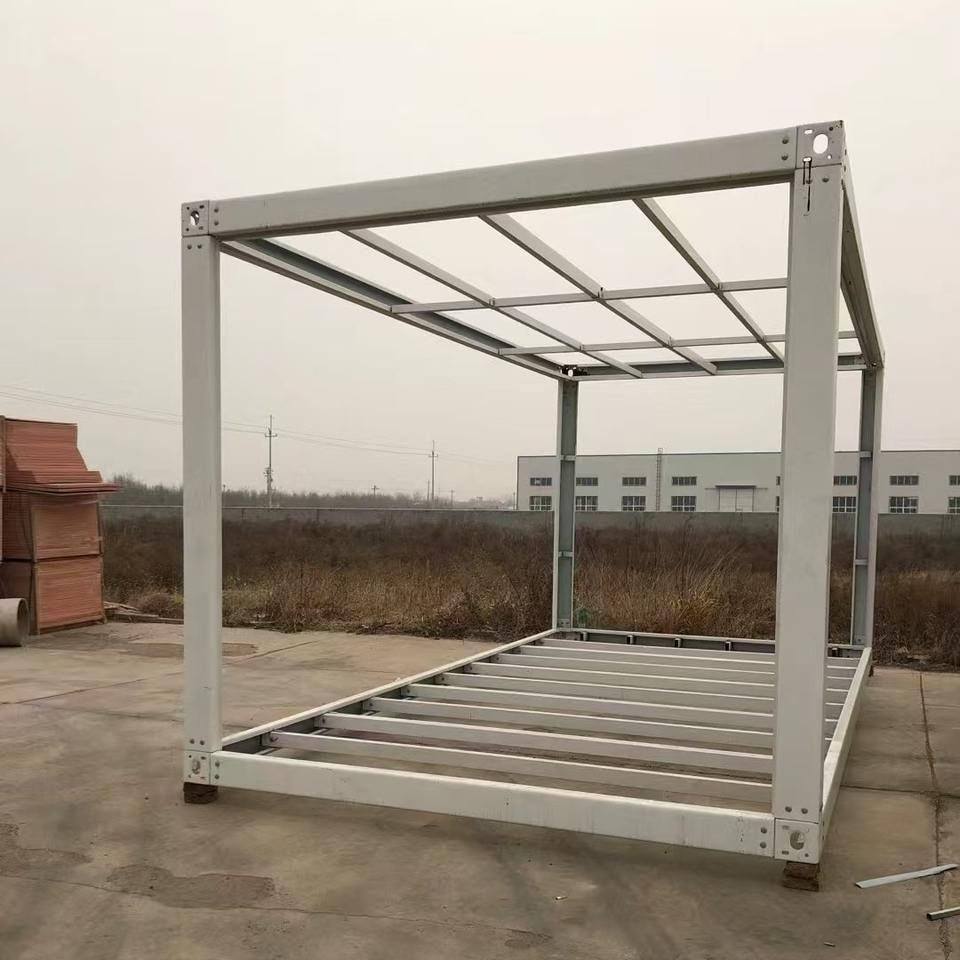
1. Basic Anti-slip and Shock Absorption Treatment
- Mobile Toilet: Install silicone anti-slip pads at the four corners of the bottom to ensure stable contact with the ground and prevent sliding. Basic models usually do not require complex shock absorption structures; anti-slip pads are sufficient to meet the needs.
- Municipal Mobile Toilet: Install shock-absorbing rubber pads or spring shock absorbers to ensure complete contact with the bracket and ground, avoiding misalignment or suspension. The direction of the shock absorber should be consistent with the force direction of the equipment; otherwise, it will affect the shock absorption effect.
2. Bracket Fixation and Level Adjustment
- Municipal Mobile Toilet: Place the shock-absorbing base bracket steadily at the installation position and use a level to adjust the height of the four corners to keep the equipment level as a whole. Select the length of the expansion bolts according to the ground material: use long bolts (such as M10×100mm) for cement floors, and for soil floors, compact them first before fixing to prevent the bracket from sinking.
- Mobile Toilet: This step is usually omitted, but it is necessary to ensure that the equipment is placed on a hard and flat ground to avoid shaking caused by uneven ground.
3. Key Component Installation
- Mobile Toilet: Align the upper and lower toilet bodies, press the buckles downward until they are fastened, press firmly, and check if they are securely fastened. Then install components such as the backrest, armrests, toilet seat, and lid in sequence according to the hole positions to ensure a firm connection.
- Municipal Mobile Toilet: Check if the anchor bolts are tightened in place to prevent uneven force from causing the base to crack. If spring shock absorbers are used, confirm that the spring compression amounts are consistent (usually 5-10mm) to avoid equipment tilting.
4. Post-installation Inspection
- Municipal Mobile Toilet: Use a level to recheck the overall levelness and gently push the equipment to test the shock absorption effect. If there is abnormal shaking, check if the rubber pads are worn or if the direction of the shock absorbers is incorrect. Also, check if the anchor bolts are loose and tighten them in a timely manner.
- Mobile Toilet: Perform a simple shaking test to check the stability and confirm that the anti-slip pads have not shifted. If the equipment is equipped with a sewage pipe, check if the interface is sealed to prevent leakage.
Other Precautions: Before installing a municipal mobile toilet, check the integrity of the accessories. Replace the base bracket if it is deformed and the rubber gaskets if they are aged. For mobile toilets, avoid pressing the buckles violently to prevent plastic components from breaking.



