Container House Custom: What to Know Before You Buy
Before purchasing a custom container house, it is essential to comprehensively evaluate project requirements, costs, and sustainability, making decisions based on material characteristics and potential challenges.

1. Clarify Core Project Requirements
The size, purpose, and expected lifespan of a custom container house directly influence design choices. For instance, if constructing a multi-story residence, it is necessary to assess the load-bearing capacity (typically 20-30 tons) and structural stability of individual containers. For temporary office use, lightweight modification options can be prioritized. In terms of materials, modern containers are mostly made of weathering steel (Corten steel), whose surface oxide layer resists corrosion. However, additional anti-corrosion treatment is required for long-term exposure to high humidity or salt spray environments. Additionally, project timelines must be considered: standardized module assembly takes only a few weeks, while complex custom designs may extend to several months.
2. Weigh Costs Against Value
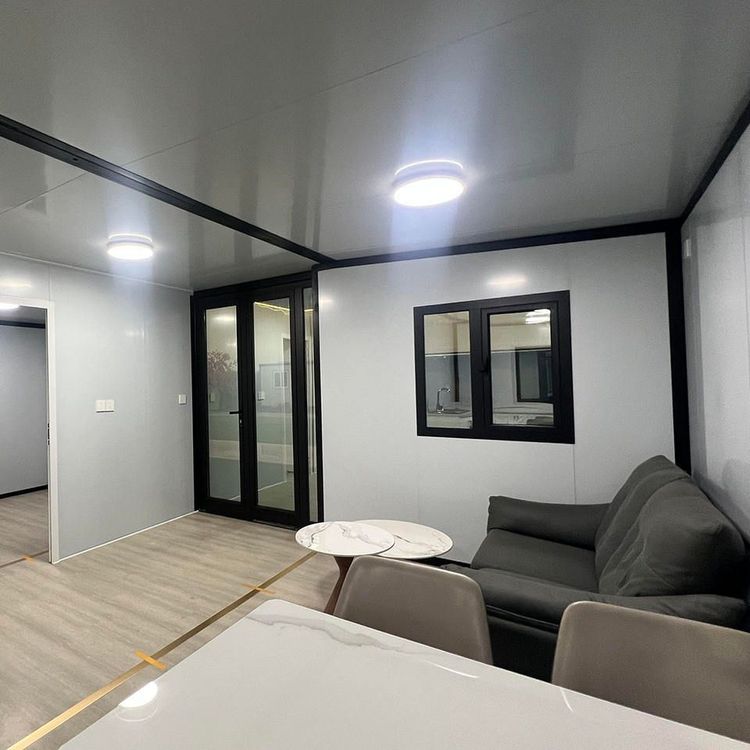
Basic costs include container procurement (approximately $1,500-$3,000 for a single 20-foot container), transportation, and assembly fees, but hidden costs are often overlooked. For example, customization options (such as expandable rooms, floor-to-ceiling windows, or high-end interiors) can increase total costs by 30%-50%; structural reinforcement (such as frame strengthening after cutting openings) requires an additional investment of $500-$2,000 per location; insulation treatment (spraying polyurethane foam or installing insulation boards) accounts for about 10%-15% of total costs but is crucial for ensuring living comfort. It is recommended to reduce material waste through modular design and prioritize local suppliers to minimize transportation costs.
3. Evaluate Sustainability Controversies
Although container houses are often promoted as “green buildings,” their environmental friendliness depends on lifecycle management. Advantages include: 75% of the steel can be recycled, modular design reduces on-site construction waste, and weathering steel has a lifespan of over 50 years. Potential issues involve: old containers may retain harmful coatings (such as lead-based paint), requiring professional paint removal; the carbon emissions from long-distance transportation of new containers may offset environmental benefits; and if passive design (such as natural ventilation and shading) is not adopted, air conditioning energy consumption may be higher than that of traditional buildings. It is recommended to prioritize used containers and request material testing reports from suppliers.
4. Address Regulatory and Safety Challenges
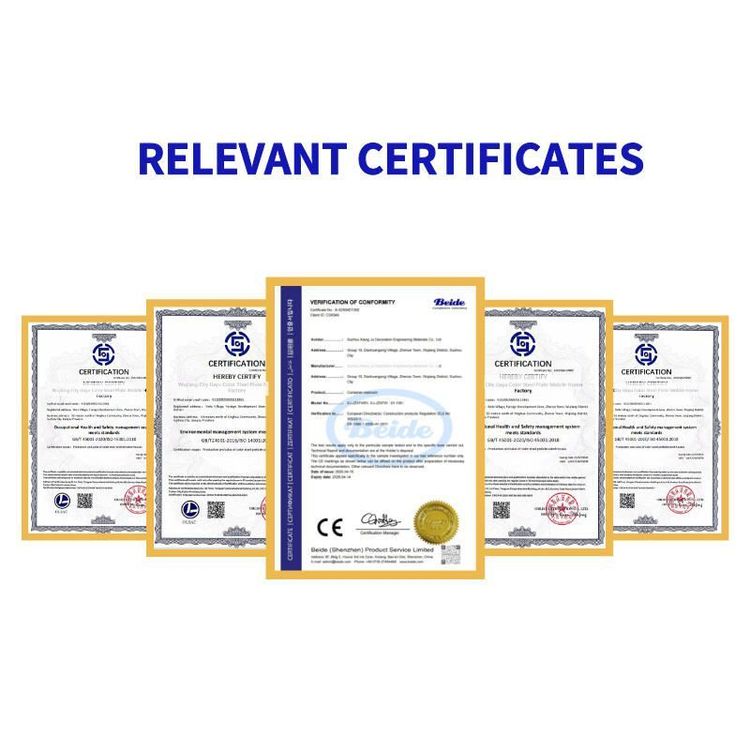
It is necessary to check local building codes in advance. For example, some states in the United States require container houses to comply with the International Residential Code (IRC), covering seismic, fire, and accessibility design; Australia has mandatory standards for ventilation area in container modifications (not less than 5% of the room area). Additionally, the metal structure of containers can act as a conductor during thunderstorms, necessitating the installation of lightning protection devices; cut edges must be sanded to prevent cuts and ensure safety.