Inner Mongolia Prefabricated Integrated Housing
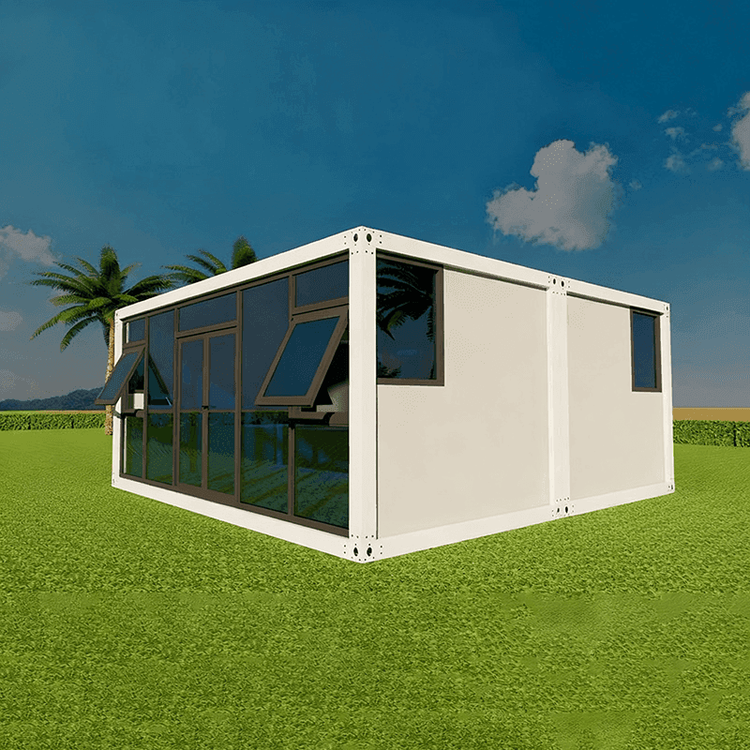
Inner Mongolia prefabricated integrated housing is a new type of building system centered around prefabricated steel structures and thermal-insulated composite wall panels. It features factory-based modular production and rapid on-site assembly, combining high thermal insulation, resistance to extreme weather conditions, and ecological adaptability.

I. Structural Performance and Adaptability
The main structure of the house employs prefabricated steel frames and thermal-insulated composite wall panels. The walls are filled with high-density rock wool and paired with thermal-break aluminum windows and doors, forming an efficient thermal insulation layer capable of withstanding temperatures as low as -40°C and winds up to Force 8, adapting well to the large temperature variations between day and night on the grasslands. The roof is designed with a snow-melting slope and drainage system to prevent structural collapse from snow accumulation while addressing drainage issues caused by concentrated precipitation on the grasslands. Internal pipelines are pre-installed, allowing for immediate use upon power connection. The construction period is reduced by 70% compared to traditional brick-and-mortar buildings, addressing the challenges of transportation difficulties and long construction periods in remote areas such as pastoral regions and border outposts.
II. Application Scenarios and Ecological Value
This structure is widely applied in scenarios such as pastoral settlements, border outposts, and mining camps, meeting the demand for rapid deployment. With the development of grassland tourism, modular guesthouses combine the form of traditional yurts with modern comforts, enhancing the tourist experience. Integrated photovoltaic roofing enables self-sufficiency in energy, reducing reliance on traditional energy sources, aligning with grassland ecological protection requirements, and promoting harmony between architecture and nature.
III. Production Technology and Quality Assurance
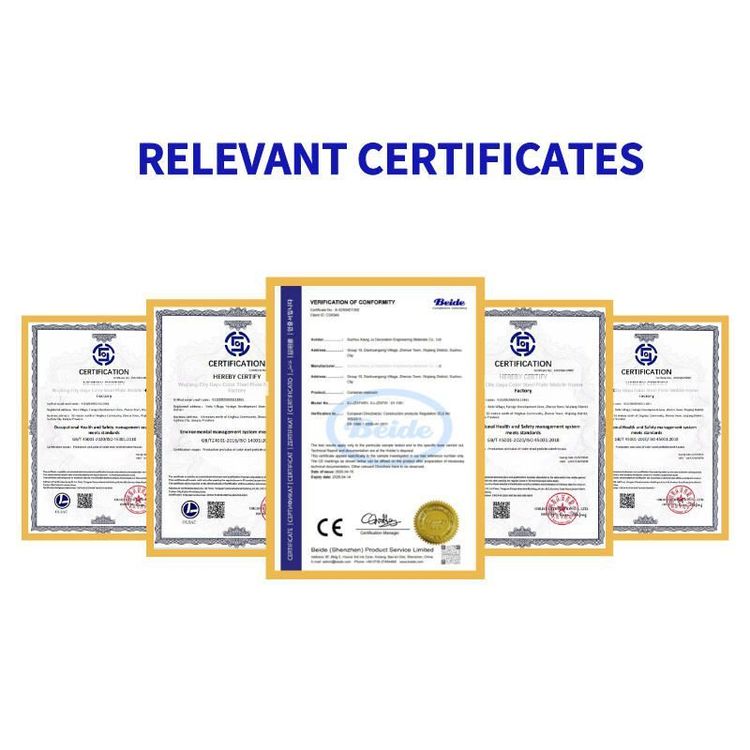
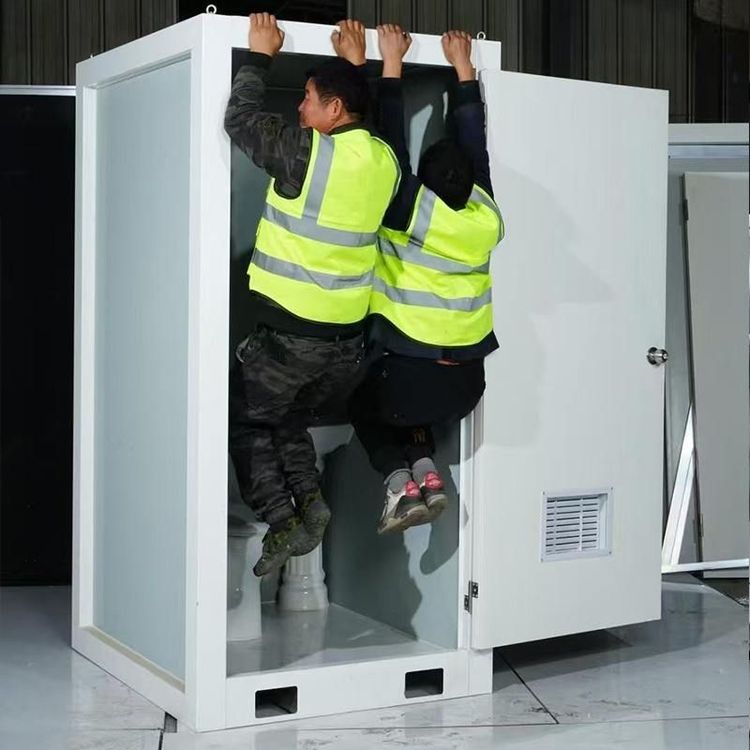
Excellent factories in Inner Mongolia are equipped with fully automated welding robot production lines and constant-temperature curing workshops, achieving digital control from panel cutting to modular assembly. BIM technology is used for 3D simulation, ensuring wall panel errors are less than 2 millimeters. A dual quality assurance system of self-inspection and external inspection is implemented, with products undergoing 96-hour water immersion tests and wind pressure tests before leaving the factory. Some factories have obtained ISO certification, with an annual production capacity of 100,000 square meters, capable of undertaking large-scale camp projects.
IV. Industry Impact and Development Trends
Prefabricated integrated housing drives the transformation of Inner Mongolia's construction industry towards industrialization and standardization. Factory-based production reduces human errors in on-site construction, enhancing quality stability while creating employment opportunities and forming new industrial chains. In the future, it will develop towards lightweight and intelligent directions, integrating IoT technology for remote temperature control and energy consumption management, expanding from temporary shelters to permanent residences, and becoming a key solution for the transformation of grassland architecture.