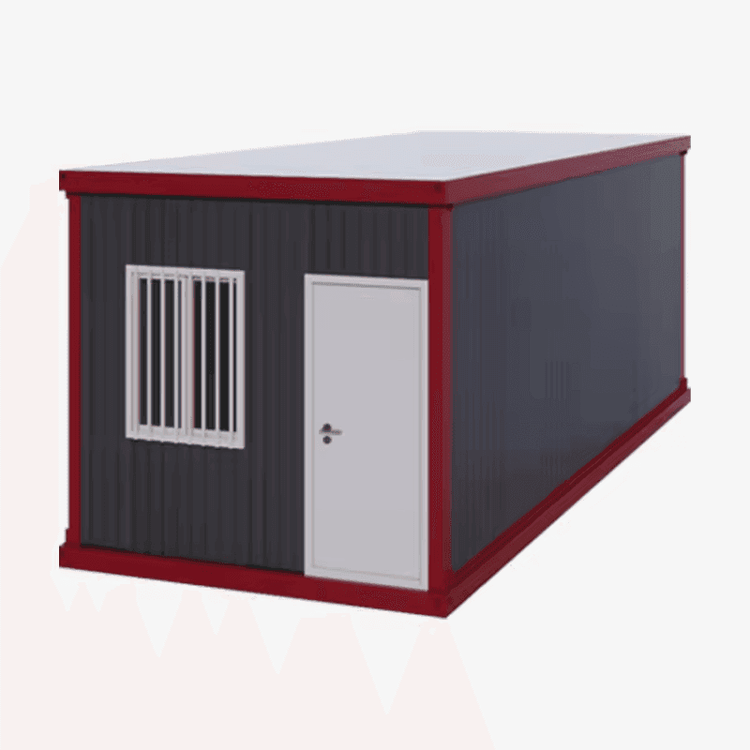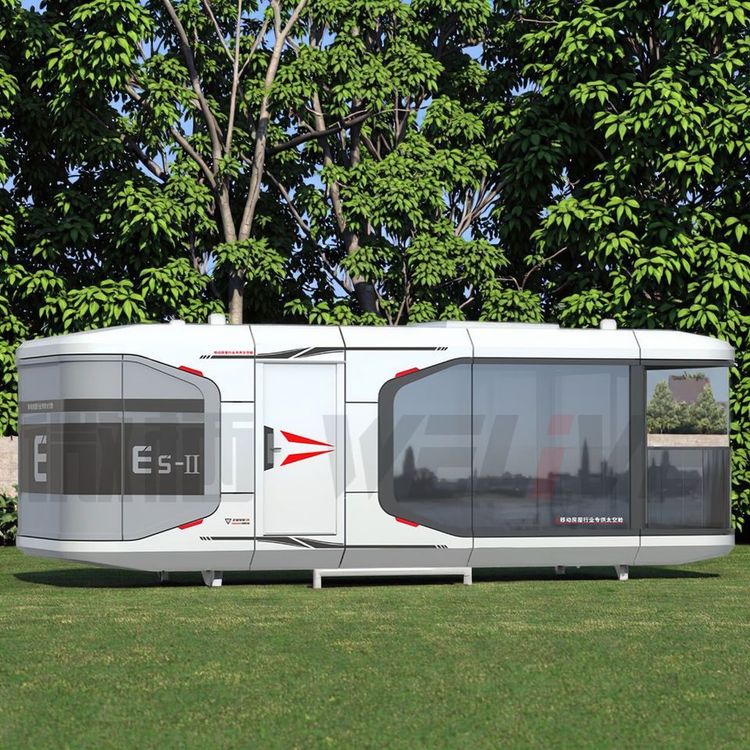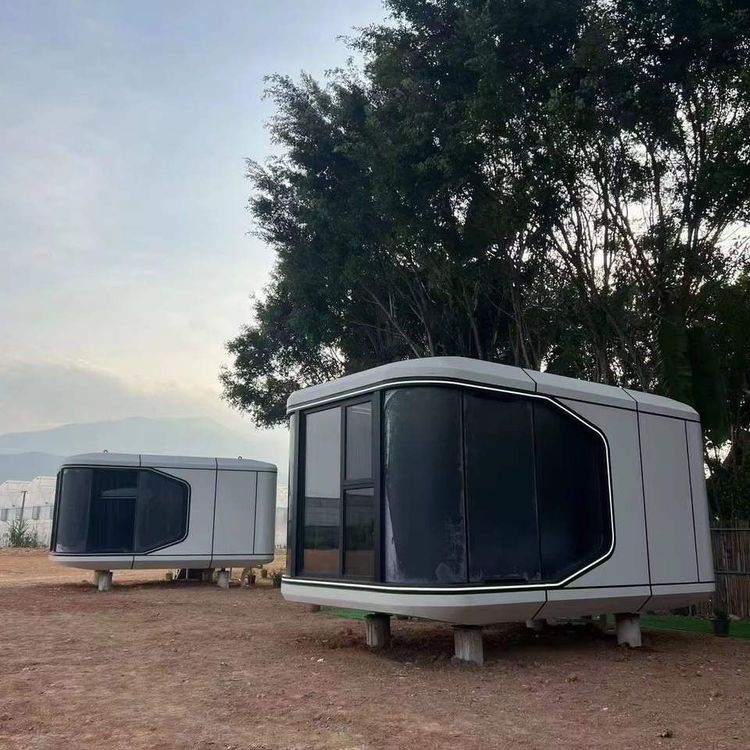
Photos of Mobile Toilets in Huimin Town
Currently, photos of mobile toilets in Huimin Town cannot be provided directly. As public facilities, the design and application of mobile toilets need to be combined with specific scenario requirements. The following is a popular science explanation from three aspects: functional characteristics, design types, and practical application scenarios.

Core Functional Characteristics of Mobile Toilets
The core advantages of mobile toilets lie in their flexibility and environmental friendliness. Their main structures are usually made of lightweight and high-strength materials (such as fiberglass and aluminum alloy), facilitating rapid assembly, disassembly, and transportation. They can adapt to scenarios such as temporary events, post-disaster reconstruction, or remote areas. The internal configurations include independent squatting or sitting toilets, septic tanks (some using biodegradation technology), ventilation systems, and lighting equipment. Some high-end models are also equipped with air conditioners, deodorization devices, and barrier-free facilities to meet the usage needs of different groups of people. For example, at large outdoor music festivals, mobile toilets can form temporary toilet clusters through modular combinations, effectively alleviating the toilet pressure during peak visitor flows.
Common Design Types and Structures
According to technical principles, mobile toilets can be divided into four major categories: packing-type, foam-type, microbial degradation-type, and water-flush-type:
- Packing-type: Collects excrement using biodegradable plastic bags, requiring no water source or sewage pipeline, suitable for areas lacking water or with no fixed sewage system.
- Foam-type: Uses foaming agents mixed with a small amount of water to form foam covering the toilet, reducing odors and saving water, commonly seen in tourist attractions or temporary construction sites.
- Microbial degradation-type: Relies on specific bacteria to decompose excrement into harmless substances, achieving zero emissions, suitable for ecologically sensitive areas or long-term驻扎 (stationed) scenarios.
- Water-flush-type: Has a structure similar to traditional toilets, requiring connection to a water source and sewage pipeline, but improves mobility convenience through optimized pipeline design, mostly used in urban temporary renovation projects.
Practical Application Scenarios and Cases
If mobile toilets are deployed in Huimin Town, they may focus on tourist attractions during peak seasons, rural markets, or temporary transportation hubs. For example, during the peak of rural tourism, mobile toilets can quickly supplement the shortage of fixed sanitation facilities, preventing tourists from having a reduced experience due to toilet issues; during traditional rural temple fairs, they can be dispersed along main roads to alleviate pressure in areas with concentrated visitor flows. In addition, some areas combine mobile toilets with garbage sorting stations to form integrated environmental service stations, improving the utilization rate of public spaces.
To obtain specific photos of mobile toilets in Huimin Town, it is recommended to check project bidding documents or acceptance reports through the official website of the local municipal department, the official account of the sanitation service company, or the government's public procurement platform. Such documents usually contain on-site photos of the facilities and technical parameter descriptions.