Sewage Disposal for Mobile Toilets in Small Parks
The sewage disposal design for mobile toilets in small parks typically adopts convenient and environmentally friendly solutions to meet the characteristics of high foot traffic and limited space in parks.
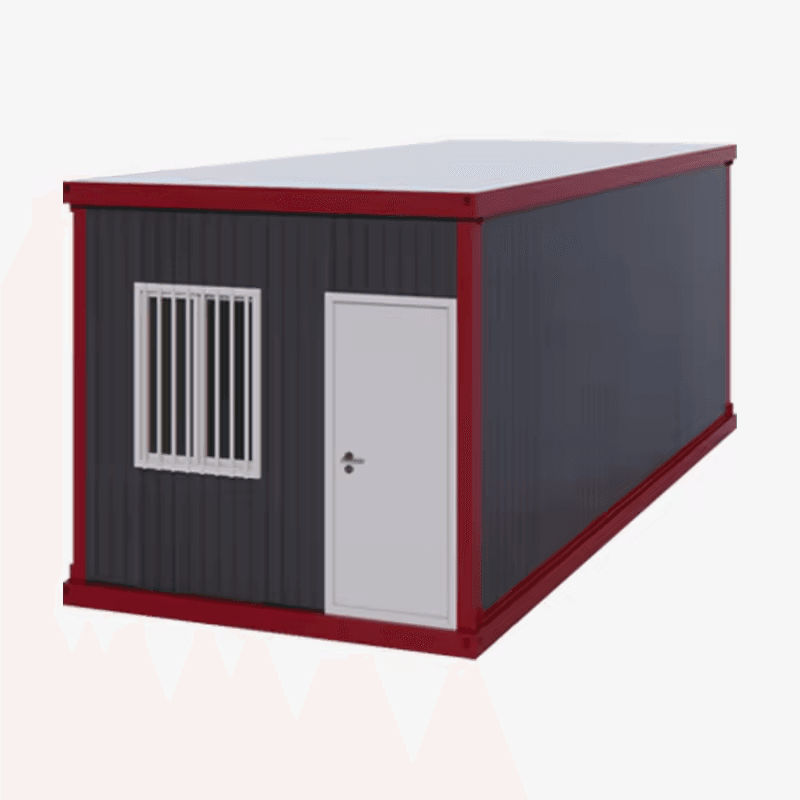
The sewage disposal system of mobile toilets mainly consists of fecal sewage storage tanks or disposal units, with the core design goal of achieving efficient collection, reducing odor diffusion, and minimizing the impact on the surrounding environment. Depending on the sewage treatment method, mobile toilets can be classified into the following types, each optimized for the actual needs of small parks:
1. Water-flush and Waterless Suction Types Water-flush mobile toilets use a small amount of water to rinse the toilet bowl, discharging fecal sewage into a storage tank, which is then periodically transported by a sewage suction truck to a municipal sewage treatment plant or designated disposal site. This design offers high cleanliness but requires a supporting water supply system, making it suitable for small parks with convenient water sources. The waterless suction type directly uses vacuum suction to draw feces into the storage tank without water, making it suitable for water-scarce areas or regions with high environmental protection requirements. However, the storage tank needs to be cleaned regularly to avoid blockages.
2. Recirculating Water-flush Type This type of toilet uses biodegradation or physical filtration technology to purify sewage and recirculate it for flushing, significantly reducing water consumption. For example, some designs use microorganisms to decompose feces while separating clean water through membrane filtration technology, achieving 'zero discharge.' This solution is suitable for ecologically sensitive areas or small parks with scarce water resources, but it has higher initial investment and maintenance costs.
3. Dry Packaging Type Dry toilets use biodegradable films or plastic bags to directly wrap feces without water or chemicals, and the collected waste is disposed of uniformly. Their advantages include no sewage discharge, no odor, and ease of transportation. However, the packaging materials need to be replaced regularly, making them suitable for temporary events or small parks in remote areas.
Balancing Environmental Protection and Convenience The sewage disposal design for mobile toilets in small parks needs to balance environmental protection and user convenience. For example, the mobile toilets in Zhengtong Park adopt a modular design, allowing the storage tank to be quickly removed and replaced, reducing collection and transportation time. Some models are also equipped with deodorization devices that use biological enzymes or activated carbon to absorb odors, enhancing the user experience. Additionally, the location of mobile toilets is usually away from main activity areas and surrounded by green isolation belts to further reduce environmental impact.
In summary, the sewage disposal solution for mobile toilets in small parks should be flexibly selected based on site conditions, foot traffic, and environmental protection requirements to ensure a balance between functionality and sustainability.