Back to blog
Article
How to Rent Container Houses
Admin September 17, 2026
Renting container houses requires going through formal channels to handle procedures, clarify costs, and comply with relevant regulations. The specific steps are as follows:

I. Selecting a Rental Method There are two main ways to rent residential container houses:
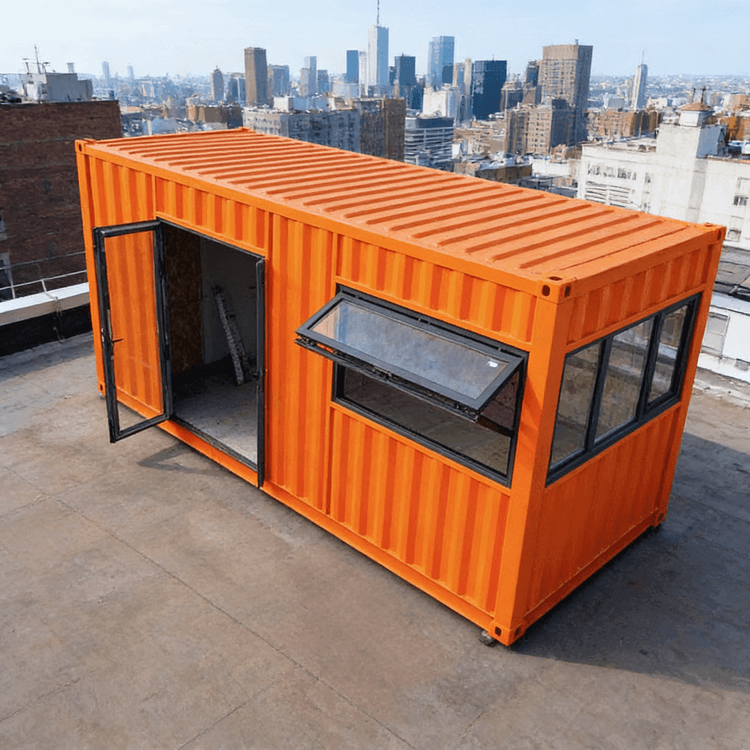
- Directly Contact Manufacturers: This allows for more efficient communication of needs, selection of suitable house types (such as standard containers or customized containers) and configurations (such as doors, windows, and electrical circuits), and direct understanding of rental contract details.
- Through Real Estate Agents: Agents can provide comparisons of multiple housing options, but it is necessary to verify their qualifications and the legality of the houses.
II. Handling Rental Procedures
- Signing a Contract: Clearly specify the rental period, rent payment method (such as monthly or quarterly payments), usage requirements (such as prohibiting unauthorized modifications), and liability for breach of contract.
- Providing Documentation:
- The lessor needs to prepare a copy of the business license and the legal person's identity certificate.
- The lessee needs to provide identity proof (for individuals) or corporate qualification proof (for companies).
- Site Usage Procedures:
- For self-owned sites, ensure that the land use is legal (such as industrial or commercial land).
- For leased sites, obtain written consent from the site owner.
- Filing and Registration: File with the local industrial and commercial or housing and construction department, stating the rental purpose and period for standardized management.
- Handover Confirmation: When delivering the house, check the quantity (such as air conditioners and beds) and condition of the equipment, and both parties sign and confirm the inventory list to avoid disputes.
III. Clarifying Cost Components
- Deposit: Usually equivalent to one month's rent, used to ensure the house and equipment are returned in good condition.
- Freight Charges: Borne by the tenant, the amount depends on the distance between the rental location and the manufacturer. Some manufacturers offer delivery services and charge fees.
IV. Obtaining Special Certificates (Based on Usage)
- Basic Certificates: Land use right certificate and planning permit (if it involves changing the land use).
- Safety and Environmental Protection: Fire safety inspection certificate (to ensure compliance with fire prevention standards) and environmental impact assessment approval (if used for polluting business activities).
- Specific Uses: Temporary building permit (for temporary construction), business license, and relevant industry permits (for commercial purposes).
V. Precautions
- Taxes and Insurance: For commercial purposes, it is necessary to declare and pay taxes. It is recommended to purchase property insurance or liability insurance to cover risks such as fire and theft.
- Regional Differences: Policies may vary in different regions. It is necessary to consult local planning, fire protection, environmental protection, and other departments in advance to ensure compliance with procedures.
Renting container houses requires balancing efficiency and compliance. It is recommended to prioritize choosing formal manufacturers and keep written documents throughout the process to safeguard rights and interests.
Related