
How to Insulate Container Houses
Container houses can achieve efficient thermal insulation through multi-layer material composites, optimized structural designs, and auxiliary temperature control equipment.
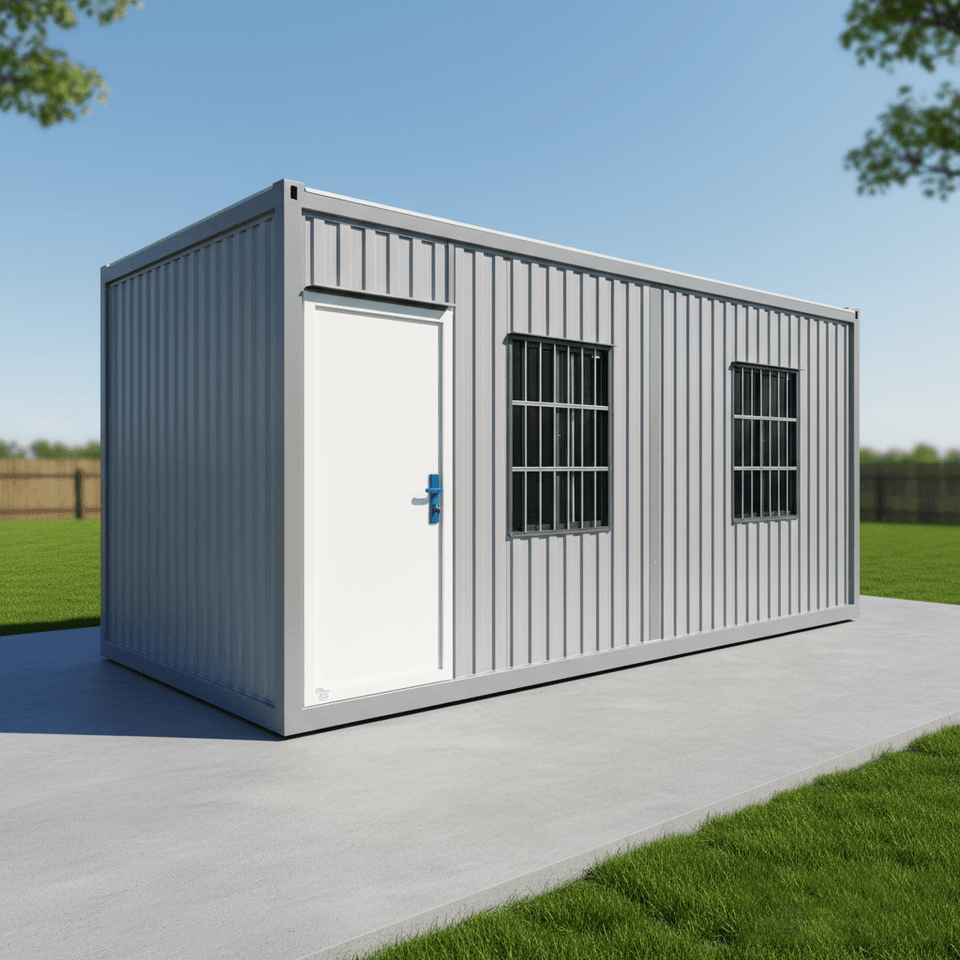
I. Core Thermal Insulation Materials and Structures
Multi-Layer Composite Walls
The key to thermal insulation in container houses lies in the wall structure. A common solution is a sandwich structure consisting of an outer layer of anti-corrosion color-coated steel plate, a middle layer of high-density insulation, and an inner layer of fire-resistant gypsum board. The middle insulation layer typically uses polyurethane foam boards over 50mm thick or rock wool boards, which have low thermal conductivity and effectively block heat transfer. For example, the insulation efficiency of polyurethane foam is 1.8 times that of traditional brick-and-mortar walls. In actual tests, the interior temperature of the container rises 22 minutes slower than the outside in summer, and the room temperature drops by only 1.3℃ after being closed for 8 hours in winter.Roof and Floor Insulation
The roof should be equipped with an aluminum foil reflective layer or a ventilation layer to reduce heat accumulation by reflecting sunlight and promoting air circulation. The floor can be laid with foam boards or extruded polystyrene boards to block heat transfer from the ground. In some cases, double-layer container structures form a natural thermal insulation barrier through an air layer, further reducing heat transfer.
II. Key Design Optimizations
Window and Door Sealing
Using double- or triple-glazed windows with sealing strips around the edges reduces heat leakage through doors and windows. For example, triple-glazed windows have better thermal insulation performance than brick walls, significantly reducing heat loss in winter and heat radiation in summer.Shading and Ventilation Design
Adjustable shading canopies or eaves should be installed on the roof to block direct sunlight; ventilation slots should be reserved at the bottom to promote air circulation using the thermal pressure principle and lower indoor temperatures. In some cases, a combination of a sloped roof and floor-to-ceiling windows ensures natural lighting while avoiding direct sunlight, enhancing comfort.
III. Auxiliary Temperature Control Measures
Reflective Coatings and Insulation Films
Spraying reflective thermal insulation coatings or applying insulation films on the exterior surface of the container reduces the surface temperature by reflecting ultraviolet rays. For example, a café using sandwich panels with an aluminum foil reflective layer maintains a comfortable indoor temperature without air conditioning.Supplementary Temperature Control Equipment
In extreme climates, equipment such as air conditioners, graphene floor heating, or entrance air curtains can be used to regulate indoor temperatures. For example, container houses in the Xinjiang Dashixia Dam project maintain comfortable indoor temperatures in low-temperature environments with the help of auxiliary heating equipment.
You may also like

Container House Installation Guide: A Complete Walkthrough
Read More
Portable Toilet Eco-Friendly Custom & OEM: Design & Bulk Production Guide
Read More
How to Assemble & Install Container House Step by Step
Read More