How to Choose Container House Insulation: A Step-by-Step Guide
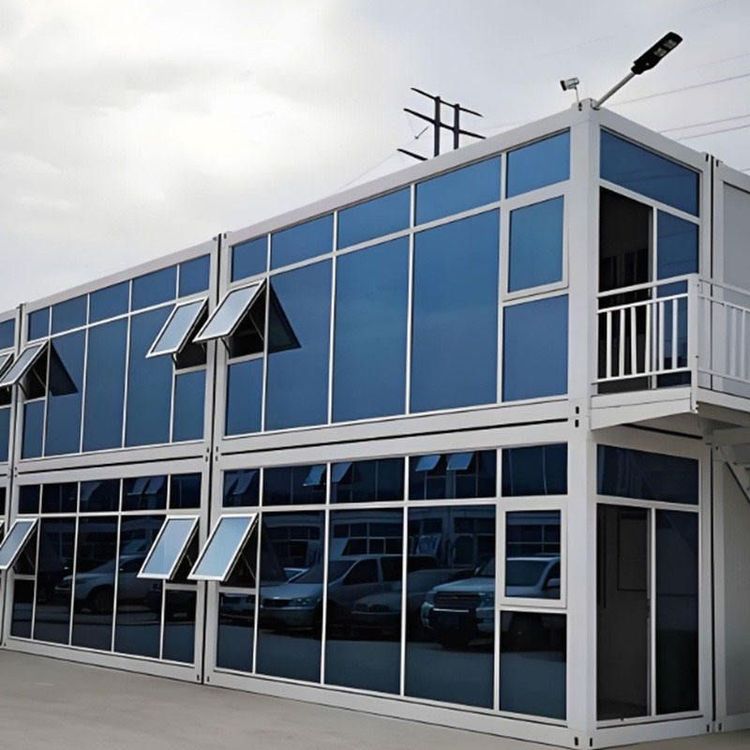
Choosing insulation materials for container houses requires a comprehensive consideration of connection design, material properties, and airtightness, achieving efficient insulation by reducing thermal bridges, matching environmental needs, and enhancing sealing.

1. Optimize Connection Design to Reduce Thermal Bridges
Container houses often use a sandwich panel structure of “steel panel + insulation core material.” However, the traditional method of directly penetrating the panel with self-tapping screws creates thermal bridges, causing rapid heat loss through the metal screws and condensation at the screw holes. It is recommended to choose connection methods with thermal break spacers or hidden clip systems, which block heat conduction paths with non-metallic materials, reducing thermal bridge effects by about 30%-50%, especially suitable for cold or areas with large temperature variations. For example, modular container manufacturers like ZN House have incorporated thermal break technology into their factory prefabrication standards, achieving non-penetrating connections of the insulation layer through customized steel components.
2. Choose Insulation Materials Based on Environmental Needs
The performance differences of various materials directly affect insulation effectiveness and durability:
- Expanded Polystyrene (EPS): Low cost but prone to shrinkage due to temperature fluctuations, leading to increased air gaps and a decrease in insulation performance by about 15%-20% over long-term use, suitable for short-term or dry environments.
- Rock Wool: High fire rating (Class A) and good sound absorption, but its insulation value can drop by over 40% when wet, requiring a waterproof layer, recommended for dry environments with strict fire safety requirements.
- Polyurethane (PU): With a closed-cell structure accounting for over 90%, it effectively blocks water vapor penetration and remains stable in humid or extremely cold environments. Although the initial cost is higher, long-term maintenance costs are low, making it the preferred choice for coastal or high-latitude regions.
Key Tip: Regardless of the material chosen, it is essential to wrap the insulation layer with a vapor barrier film such as aluminum foil to prevent moisture intrusion and insulation failure, especially crucial in windy and rainy areas.
3. Enhance Airtightness to Improve Overall Insulation
Insufficient airtightness can lead to rapid heat loss through gaps, requiring special attention to the following areas:
- Seams and Joints: Use EPDM rubber strips or butyl tape instead of ordinary silicone sealants, which tend to harden and crack at low temperatures, while the former can withstand temperature variations from -40℃ to 120℃, maintaining elastic sealing.
- Around Windows and Doors: Install D-type or P-type rubber seals and ensure the gap between the window/door frame and the wall is ≤3mm to prevent airflow short circuits.
- Bottom Gaps: Fill the space between the container and the foundation with expanding polyurethane or install compressible seals to prevent cold air infiltration from the ground.
By systematically applying these principles, the insulation performance of container houses can be improved by over 50%, while reducing energy consumption and maintenance costs. Modular manufacturers like ZN House further ensure the integrity and installation efficiency of the insulation system through factory-prefabricated standardized components.