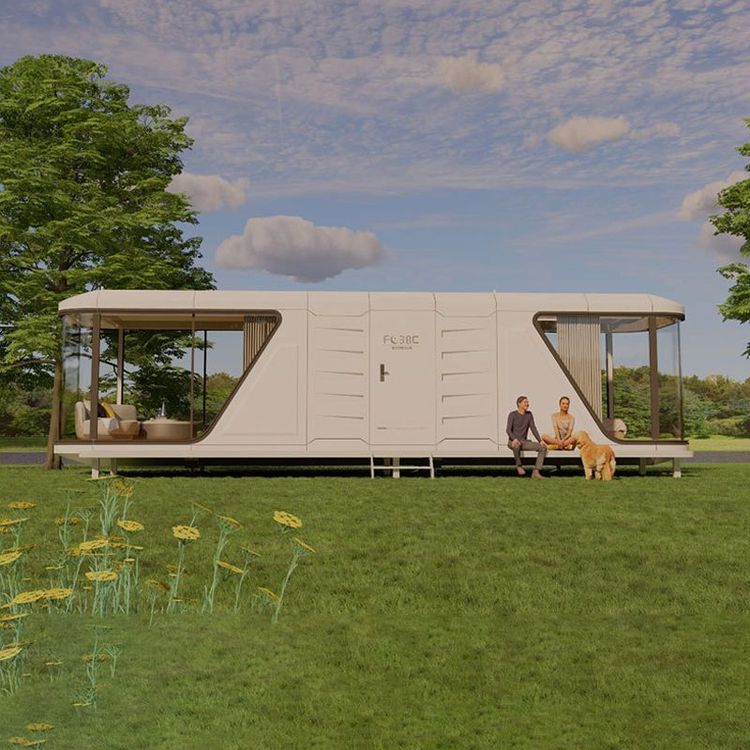
Container House for Commercial Use: What to Consider
When selecting a Container House for commercial use, it is essential to focus on six core elements: modular design, material durability, flexibility and customization, performance parameters, certification standards, and multi-functional application scenarios.

1. Modular Design
Modularity is a key advantage of Container Houses for commercial use. Their standardized components can be quickly assembled using bolts or welding, supporting the construction of temporary or semi-permanent spaces such as exhibition booths, construction site offices, or post-disaster emergency stores. Modular design also allows for the addition or removal of units as needed, such as expanding hotel rooms or retail areas by stacking containers, significantly reducing construction time and costs.
2. Materials and Durability
Commercial scenarios demand high structural longevity, requiring the prioritization of corrosion-resistant and impact-resistant materials. Steel structural frames provide foundational strength, while sandwich panels (filled with rock wool or polyurethane) enhance thermal and acoustic insulation, adapting to extreme climates. For example, coastal areas require salt-spray-resistant coated steel, and high-humidity environments necessitate enhanced moisture-proofing of panels to extend service life beyond 20 years.
3. Flexibility and Customization
Commercial spaces must align with brand identity and functional needs, making customization capabilities crucial. Layout adjustments can include relocating doors and windows, adding partitions, or adopting open designs; sizing supports the splicing or cutting of standard 20-foot/40-foot containers; interior finishes can incorporate eco-friendly panels, LED lighting, and smart systems to meet diverse scenarios from cafes to data centers.
4. Performance Parameters
Balancing structural stability and construction efficiency is vital. Lightweight steel frames (e.g., Q345 steel) reduce transportation costs while maintaining strength; modular connection nodes must pass wind and snow load tests (e.g., conforming to ASCE 7 standards) to ensure safe use in hurricane or blizzard-prone regions. Additionally, rapid assembly techniques (e.g., pre-installed wiring and plumbing) can shorten project delivery timelines to within weeks.
5. Certifications and Standards
Compliance is fundamental to commercial operations. Products must be verified to meet CE certification (EU), ISO 9001 (quality management), and local building codes (e.g., IBC in the US, GB in China). For instance, food retail scenarios require adherence to HACCP hygiene standards, while temporary accommodations must pass fire safety certifications to mitigate operational risks.
6. Multi-Functional Application Scenarios
The diversity of commercial uses demands that Container Houses adapt across scenarios. Beyond traditional offices and stores, they can be repurposed as mobile medical stations (equipped with sterile rooms), pop-up exhibition halls (for rapid brand displays), or shared office spaces (modular combinations of office units). Multi-functional design enhances asset reusability and reduces long-term investment costs.
You may also like
Container House Material in 2026: Buying Guide & Recommendations
Read More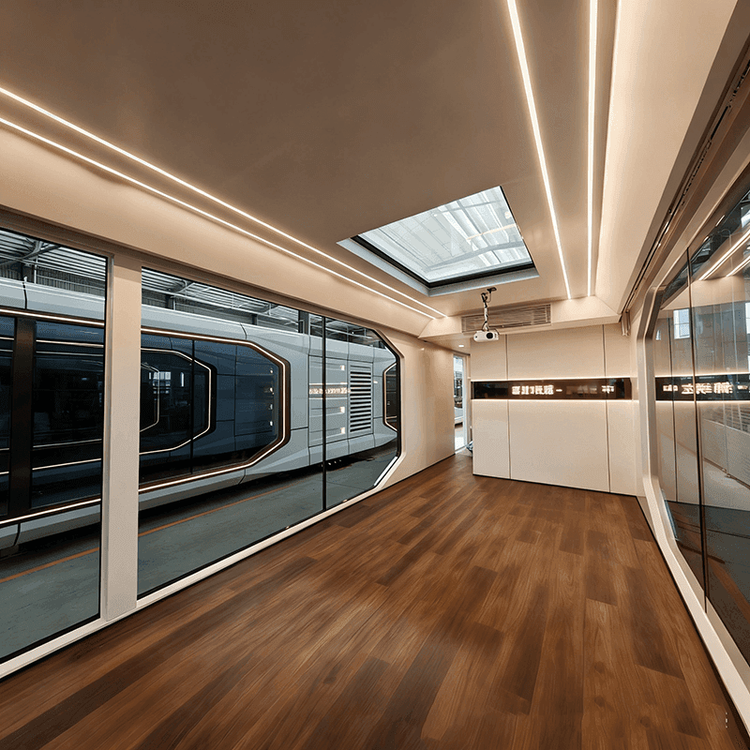
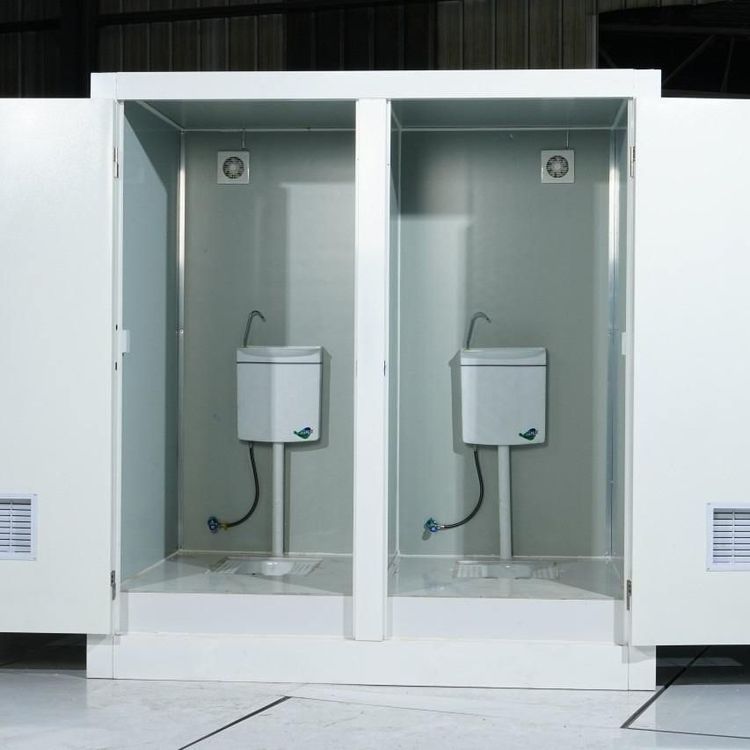
Portable Toilet Movable Rental in 2026: Buying Guide & Recommendations
Read More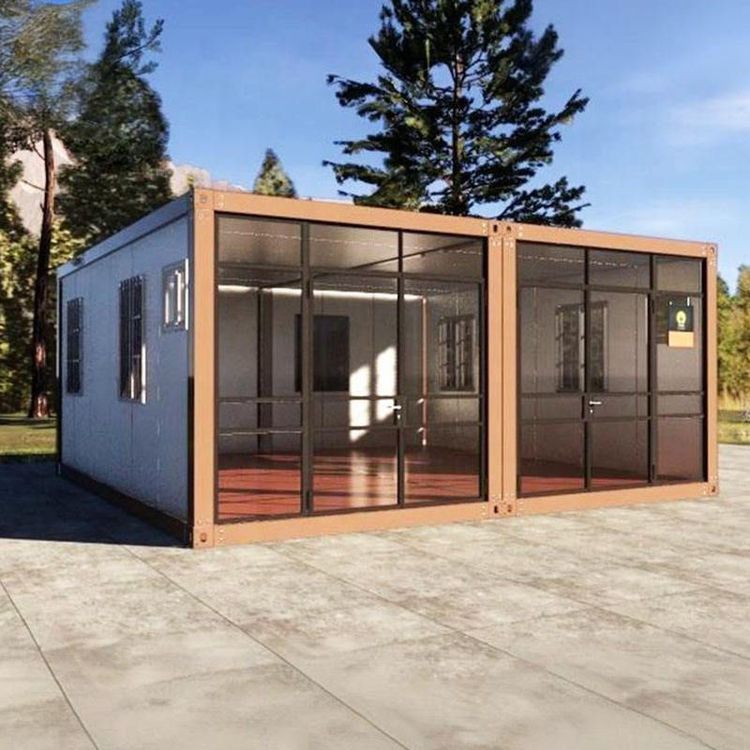
House Conversion Explained: How to Choose the Right One
Read More