
Mobile Toilet for Home Quarantine
In home quarantine scenarios, mobile toilets can be realized through the modification of household-appropriate equipment, adaptation of temporary facilities, and customized solutions, with a particular focus on sanitation maintenance and environmental compliance.
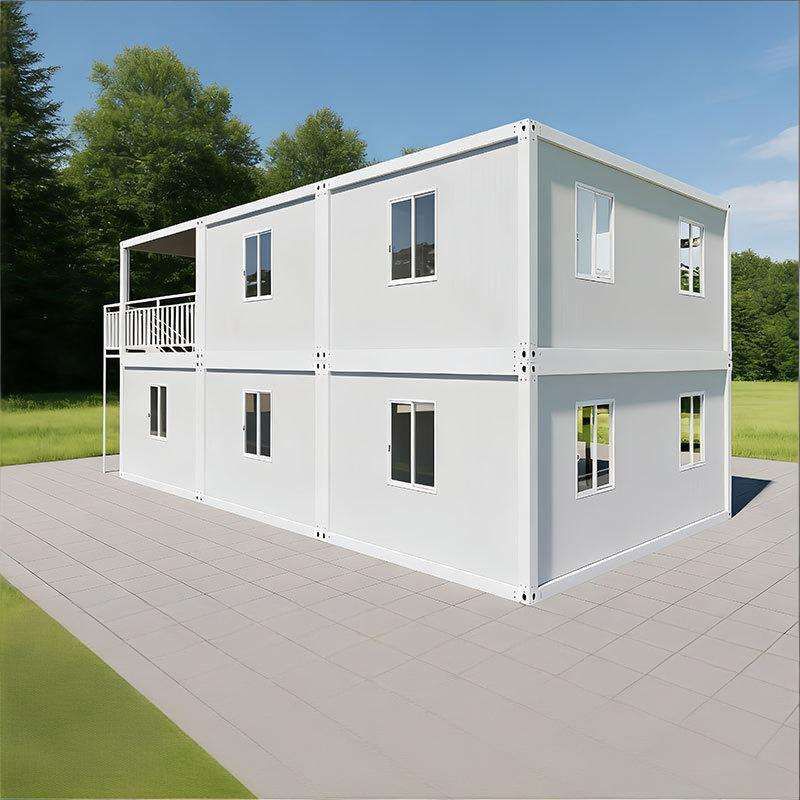
I. Household-Appropriate Mobile Toilets
Mobile toilet commode chairs are a common choice in home quarantine settings. They feature reinforced steel tube frames and non-slip footrests, with a weight capacity of over 150 kilograms, making them suitable for the elderly, pregnant women, or those with mobility issues. The equipment is equipped with a detachable toilet bowl for easy cleaning and does not require fixed installation, allowing flexible placement beside the bedroom or bathroom to minimize movement during quarantine. These products are relatively affordable but require regular cleaning and disinfection of the toilet bowl to prevent bacterial growth.
II. Adaptability of Temporary Sanitation Facilities
Modular mobile restrooms commonly used for public events (e.g., rental types) can be adapted for home quarantine. Opt for small, standalone structures paired with biodegradable or chemical coagulation waste treatment systems to reduce the need for frequent cleaning. For example, biodegradable agents can break down waste, reducing odors, while chemical coagulants solidify waste for easier centralized disposal. These solutions are suitable for longer quarantine periods or households with multiple members but require ensuring the waste collection container is well-sealed to prevent leaks.
III. Environmental Control and Sanitation Maintenance
Enhancing user comfort requires attention to environmental control. Drawing inspiration from the insulation panel design of mobile public restrooms, adding thermal insulation materials to the exterior of the toilet can improve winter usability, while enhanced ventilation is necessary in summer to avoid stuffiness. For sanitation maintenance, adhere to a high-frequency disinfection standard (e.g., every 2 hours), using chlorine-based disinfectants to wipe surfaces; adjust the dosage of biological treatment agents seasonally (increase in summer, decrease in winter) to ensure decomposition efficiency.
IV. Procurement and Customization Recommendations
If existing products do not meet needs, contact professional manufacturers for customization. For instance, Fujian Quanzhou Henganshun Steel Structure Engineering Co., Ltd. offers custom mobile environmental-friendly public restroom services, with model HAS-2023 supporting size and functional adjustments. For home quarantine scenarios, request lightweight, easy-to-clean small units with added epidemic prevention features like sealed doors and UV disinfection lamps. Before customization, clarify the number of users, quarantine duration, and space constraints to ensure a balance between practicality and cost-effectiveness.
Note: When using mobile toilets during home quarantine, ensure waste treatment complies with local environmental regulations. If waste disposal is involved, consult community or health authorities in advance to avoid secondary pollution caused by non-compliant operations.



