
Placing a Mobile Toilet at Home
Placing a mobile toilet at home is a practical choice, especially suitable for those with mobility issues or temporary needs. The following provides an explanation from four aspects: applicable scenarios, product types, purchasing advice, and cost range:

I. Applicable Scenarios
- Nighttime Use: It can be placed beside the bed in the bedroom to reduce the distance that elderly individuals or pregnant women need to travel to use the toilet at night, thereby lowering the risk of falls due to dark environments or insufficient physical strength.
- Space-Limited Areas: In places where fixed sewage pipes cannot be installed, such as attics or basements, mobile toilets do not require pipe installation and can be used simply by regularly cleaning the waste storage tank.
- Temporary Need Scenarios: During family gatherings, temporary office setups, or as part of isolation measures, mobile toilets can quickly increase sanitation facilities, avoiding inconvenience caused by an increased number of people.
II. Product Types and Functions
- Portable Commode Chairs: Represented by brands like Miaoxin Si and Kangji, these chairs focus on stability (e.g., widened bases), seating comfort (elevated designs, armrests, non-slip footrests), and ease of cleaning (triple-seal structures, enlarged load-bearing bodies). They are suitable for the elderly or short-term use needs.
- Standalone Mobile Restrooms: These include waste storage tanks, toilet seats, and deodorization devices. Some models support water tank flushing (requiring a water connection) or chemical treatment of waste (e.g., adding deodorizing decomposition liquid). Regular cleaning of the waste storage tank is necessary to prevent odor spread.
III. Purchasing Advice
- Material and Safety: Prioritize products with food-grade plastic toilet seats (to avoid the release of harmful substances) and smoothly rounded edges. For elderly use, models with armrests and a seat height of about 45 centimeters are recommended to reduce the difficulty of standing up.
- Capacity and Maintenance: It is advisable to choose a waste storage tank with a capacity of 15-30 liters. For frequent use (e.g., by many family members), a water tank flushing model is preferable, while for infrequent use (e.g., by a single person for a short period), a model with disposable degradable bags can reduce cleaning frequency.
- Space Allocation: An activity area of about 80 centimeters square should be reserved to ensure that users can turn around, sit down, and perform other actions without restriction, enhancing comfort.
IV. Cost Range
Basic portable toilets (e.g., simple commode chairs) cost about 200-500 yuan, while mid-range models with flushing functions (e.g., standalone mobile restrooms) cost about 800-1500 yuan. Specific prices vary depending on brand, material, and function differences.
Mobile toilets, through targeted design, can effectively solve problems such as 'difficulty in standing up, fatigue from moving, strong odors, and trouble with cleaning,' significantly improving home convenience and safety.
You may also like

Portable Toilet for Energy Efficiency Solutions: A Buying Guide
Read More
Container House Custom Explained: How to Choose the Right One
Read More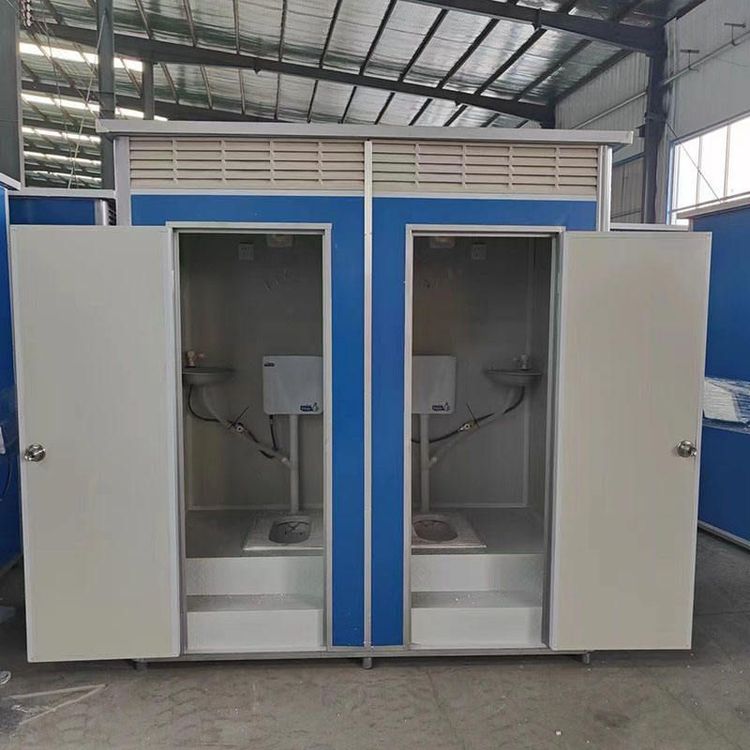
Portable Toilet Design Custom & OEM: Design & Bulk Production Guide
Read More