High-End Prefabricated Housing
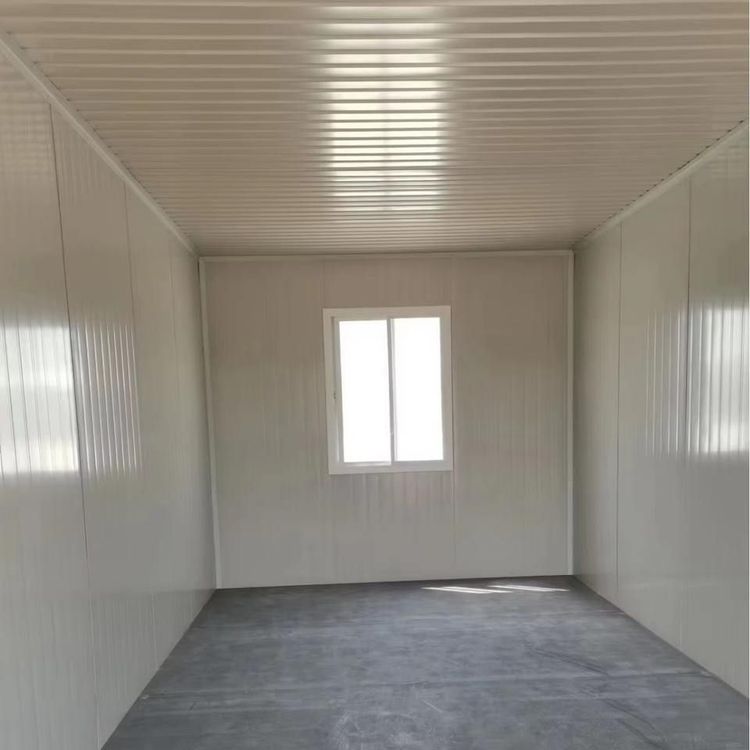
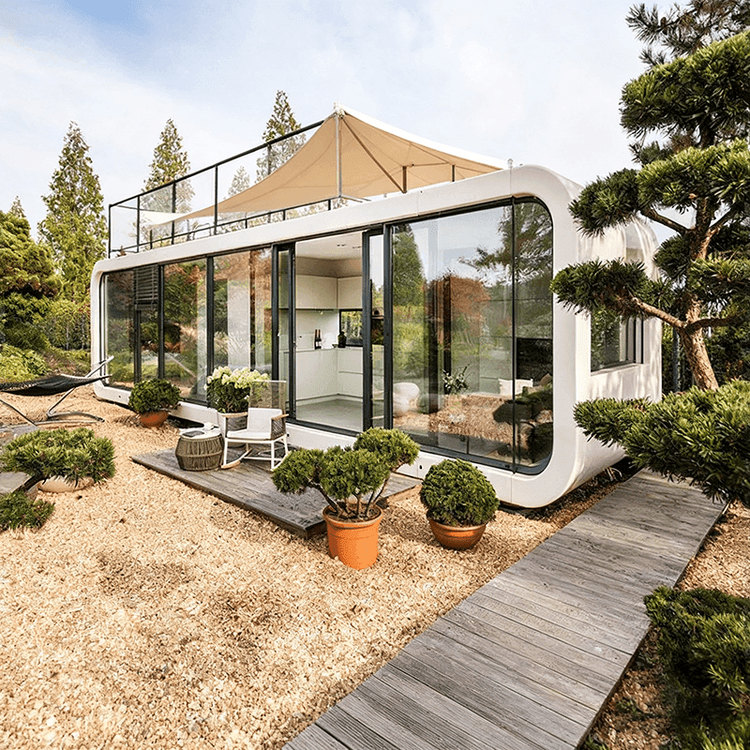
High-end prefabricated housing is a cost-effective building product with core advantages of rapid delivery, environmental protection, energy efficiency, strong adaptability, and controllable quality, targeting both domestic and international markets. The price of high-end complete sets of overseas products can exceed one million US dollars, while the basic domestic models can cover complete supporting facilities for 200,000 yuan.

Significant Price and Cost-Effectiveness Advantages
High-end prefabricated housing is positioned as a premium product in overseas markets, with complete sets priced at the million-dollar level, primarily targeting customer groups with high demands for building quality and delivery efficiency. In contrast, the basic domestic prefabricated houses focus on cost-effectiveness as their core competitive edge, offering complete main structures, basic decorations, and all supporting facilities for 200,000 yuan, catering to the needs of ordinary families. Compared to traditional self-built houses overseas with the same layout and area, the construction cost of domestic prefabricated houses is often only one-third to one-fifth, and the construction period is significantly shorter, highlighting a stark contrast in cost and time efficiency.
Delivery Efficiency Far Surpasses Traditional Methods
Traditional overseas house-building methods typically take more than a year to complete due to long on-site construction periods and complex procedures. In contrast, Chinese prefabricated houses achieve strict control over the entire process through standardized production, modular transportation, and rapid on-site assembly, enabling occupancy in as little as three months. For example, the integrated modular building system with a monolithic steel structure reduces on-site wet work by prefabricating components in factories, significantly shortening the construction period and making it particularly suitable for time-sensitive projects.
Outstanding Technical Adaptability and Environmental Protection
Prefabricated houses adopt standardized designs, allowing flexible adaptation to various scenarios such as high-end office buildings, hotels, schools, and modular data centers. Their steel structures offer high material recyclability, aligning with global trends in environmental protection and energy efficiency. Additionally, factory-based production enables precise control over material usage and construction techniques, reducing construction waste and energy consumption while ensuring better quality stability than on-site construction, further lowering long-term maintenance costs.
Broad Market Coverage and Diversified Product Range
Chinese prefabricated housing companies have expanded their markets to over 20 countries and regions, including the UK and Australia, with products covering a wide range from residential housing to commercial buildings. For instance, the integrated modular building system with a monolithic steel structure not only meets residential needs but also facilitates the rapid construction of temporary medical facilities and emergency housing, demonstrating strong scenario adaptability. This diversified layout enhances their competitiveness in the international market, positioning them as a strong alternative to traditional construction methods.