Hengyang Mobile Toilet Rental
Hengyang mobile toilet rental services offer a variety of mobile toilet types for lease, suitable for multiple scenarios, with multiple service providers and a focus on scientific configuration and user experience.

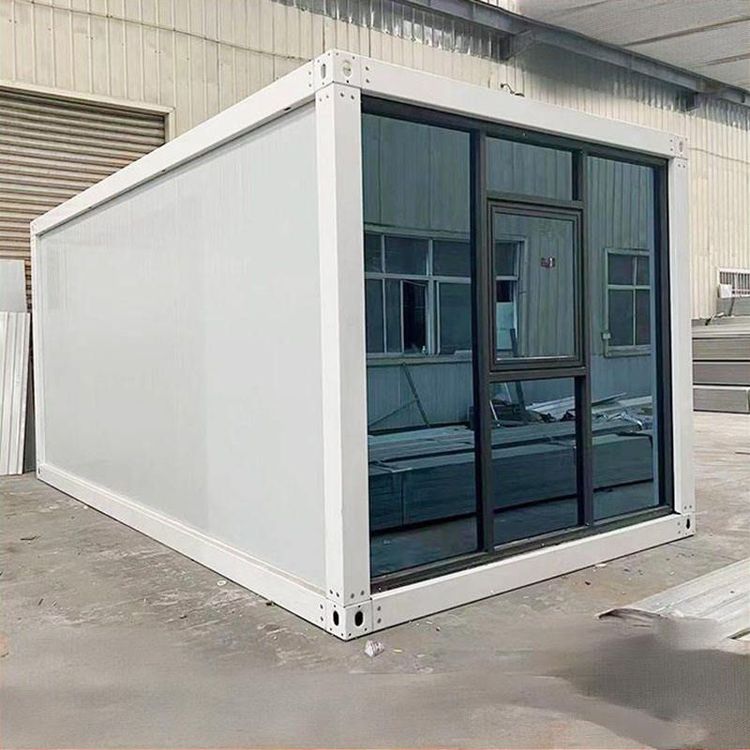
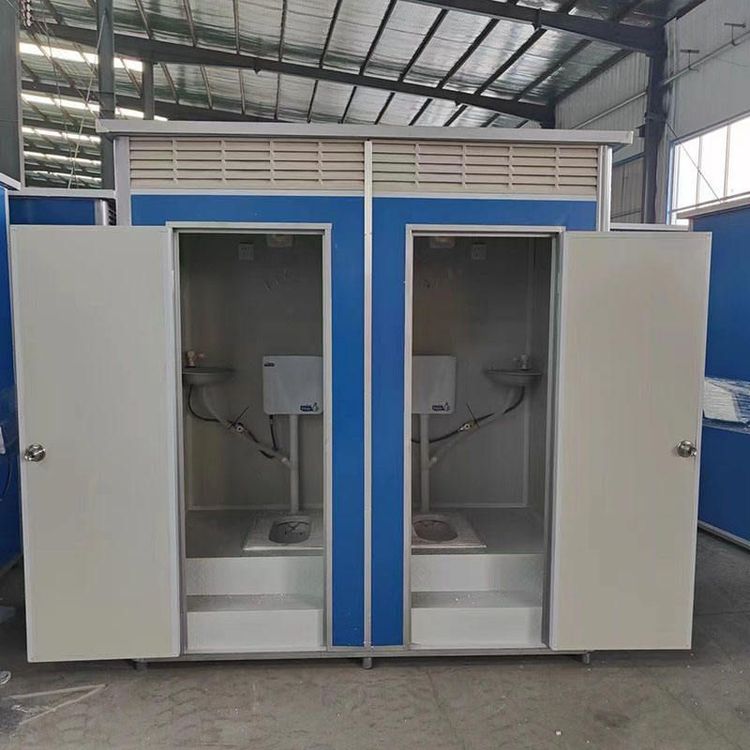
I. Mobile Toilet Types and Suitable Scenarios Mobile toilet rentals in Hengyang cover various types, including mobile restrooms, mobile washrooms, mobile public toilets, portable toilets, and temporary toilets. These facilities are suitable for scenarios such as elevated bridge construction, auto shows, exhibitions, music festivals, concerts, marathon events, and temporary use on construction sites, meeting the public sanitation needs of activities of different scales. For example, large-scale outdoor music festivals, with dense crowds and long durations, require a sufficient number of mobile toilets to avoid queue congestion; temporary use on construction sites emphasizes the durability and convenience of the facilities.
II. Service Providers and Rental Methods Service providers include Shanghai Changjiu Industrial Co., Ltd., Shanghai Hefeng Environmental Protection Technology Co., Ltd., Huajing Engineering Fence Rental, Shanghai Xuhu Industrial Co., Ltd., etc. These merchants offer 24-hour services and support flexible rental methods such as hourly, daily, long-term, and monthly rentals. Some merchants also provide door-to-door delivery and regular free cleaning and pumping services, reducing user costs. For example, short-term events can choose daily rentals, while long-term construction site projects can opt for monthly rentals. The cleaning and pumping services ensure that the sanitation conditions of the facilities remain up to standard.
III. Scientific Configuration and User Experience Optimization
- Quantity Configuration: Determine the number of mobile toilets based on the scale of the event. It is generally recommended to configure one mobile toilet for every 50-100 visitors to ensure supply-demand balance.
- Toilet Ratio: The ratio of male to female toilet stalls is usually 1:1.5-2, prioritizing female needs to reduce queuing time.
- Location Requirements: Consider both convenience and safety. The facilities should be placed in areas with high foot traffic (such as event entrances and rest areas) while avoiding low-lying areas prone to waterlogging and geologically unstable areas to prevent facility damage or safety hazards.
- Peak Response: Deploy additional temporary facilities during peak foot traffic periods to alleviate queuing pressure.
- Supporting Services: Provide basic facilities such as sinks, toilet paper, and hand soap. Where possible, add barrier-free facilities and母婴室 (nursing rooms) to enhance the user experience. For example, nursing rooms can be equipped with baby changing tables to meet the needs of special groups.