Back to blog
Article
Guanghan Container Villa House
Admin September 15, 2026
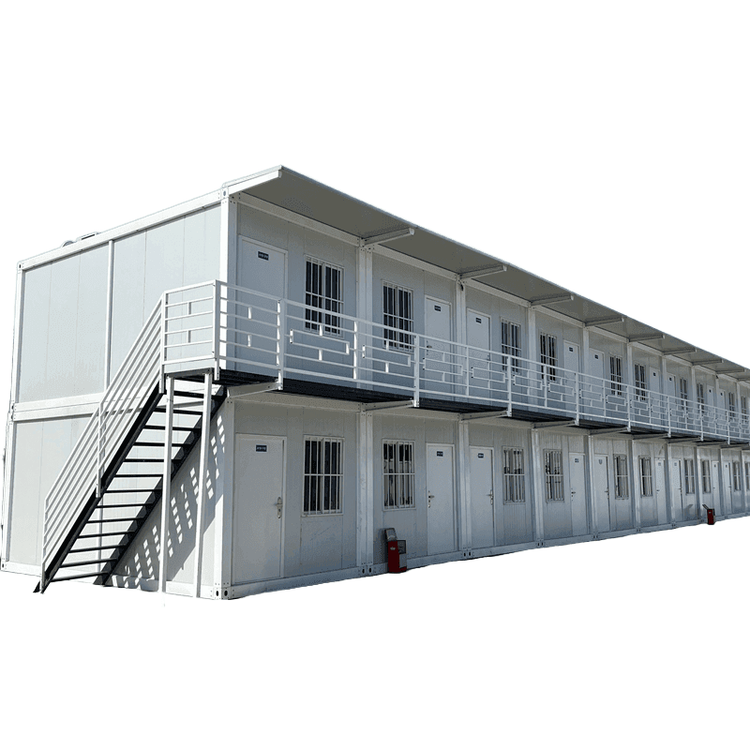
Guanghan container villa houses are an innovative form of residential architecture that uses containers as the basic structural units, combined through splicing and stacking. They feature low cost, personalization, and modularity, but require attention to key issues such as approval procedures, thermal insulation, and rust prevention.

I. Core Features and Advantages
- Modular Design: Container villas use standard containers as units, which can be expanded into functional areas such as living rooms, bedrooms, and bathrooms through the splicing or staggered stacking of 2-3 containers. For example,打通 two containers can create a flat layout of approximately 100㎡, including a living-dining room, two bedrooms, and a bathroom with a bathtub.
- Low Cost and Rapid Construction: Compared to traditional villas, container houses have lower material costs, and the factory prefabrication and on-site assembly method can significantly shorten the construction period and reduce interference with the surrounding environment.
- Personalized Space: Through staggered design, multifunctional furniture (such as folding beds and integrated cabinets), and the application of large-area lighting windows (such as floor-to-ceiling windows and skylights), a richly layered and functionally flexible living experience can be achieved.
- Environmental Protection and Mobility: Container houses are detachable and reusable, suitable for temporary residences, emergency shelters, and other scenarios. The materials are recyclable, aligning with green building concepts.
II. Key Considerations
- Approval Procedures: In the Guanghan area, if container houses are to be used as permanent residences, construction approval must be obtained in accordance with local requirements, providing structural drawings and ensuring compliance with land use regulations for homesteads, cultivated land, and forest land; otherwise, they may be deemed illegal constructions.
- Thermal Insulation and Lighting: It is necessary to add internal insulation layers to the walls/roof, select triple-glazed windows, and install shading facilities (such as eaves and awnings) to address the issue of cold winters and hot summers caused by the strong thermal conductivity of steel.
- Rust Prevention and Waterproofing: During the construction phase, cutting and welding areas must be polished and coated with epoxy primer + topcoat, with regular inspections of welds and corners prone to rust;门窗四周 (around doors and windows) and container splicing seams must be sealed with sealant and regularly replaced to prevent leakage.
- Facade Beautification: By painting, thematic spraying, cladding, or glass curtain walls, the industrial feel can be eliminated, enhancing the villa's aesthetic appeal.