Gobi Mobile Container Toilet
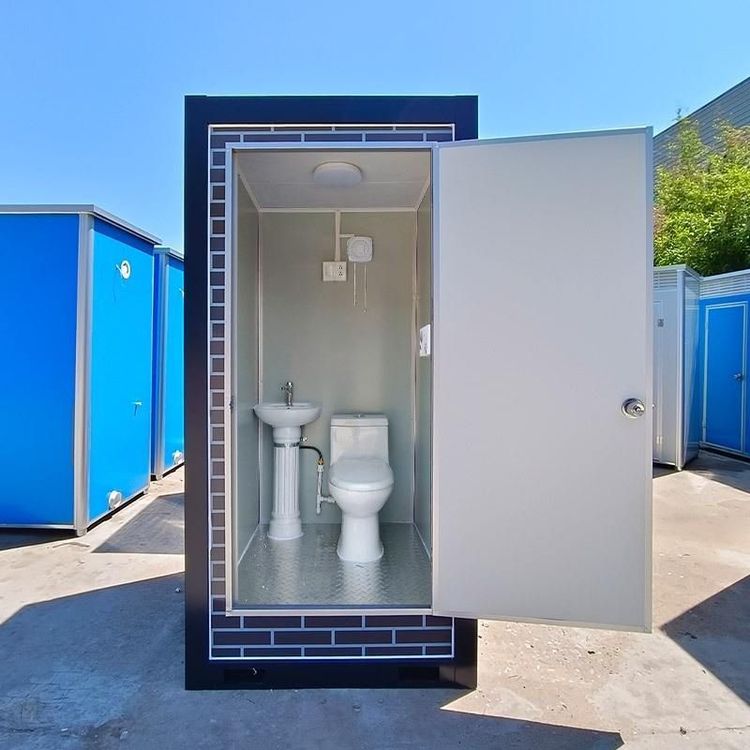
Mobile container toilets, such as waterless packing or microbial degradation types, are suitable for remote scenic spots in the Gobi Desert. Their design, specifications, and procurement require comprehensive consideration of technical adaptability, environmental friendliness of building materials, and corporate service capabilities.

Technical Types and Applicability
In the Gobi Desert, due to difficulties in pipeline laying and water scarcity, it is necessary to choose toilet types that do not require external water sources or can achieve zero sewage discharge.
- Waterless Packing Type: Collects waste directly through biodegradable packing bags without using water throughout the process, making it suitable for extremely water-scarce environments. Its core advantages include simple operation, low maintenance costs, and centralized transportation and treatment of waste to avoid secondary pollution.
- Microbial Degradation Type: Utilizes specific microbial communities to decompose organic matter, achieving zero sewage discharge without the need for upper and lower water pipe networks. Some models employ wet microbial treatment technology, with the treated water quality meeting the standards for reclaimed water reuse, which can be used for greening irrigation, further enhancing resource utilization.
Structural Design and Environmental Friendliness
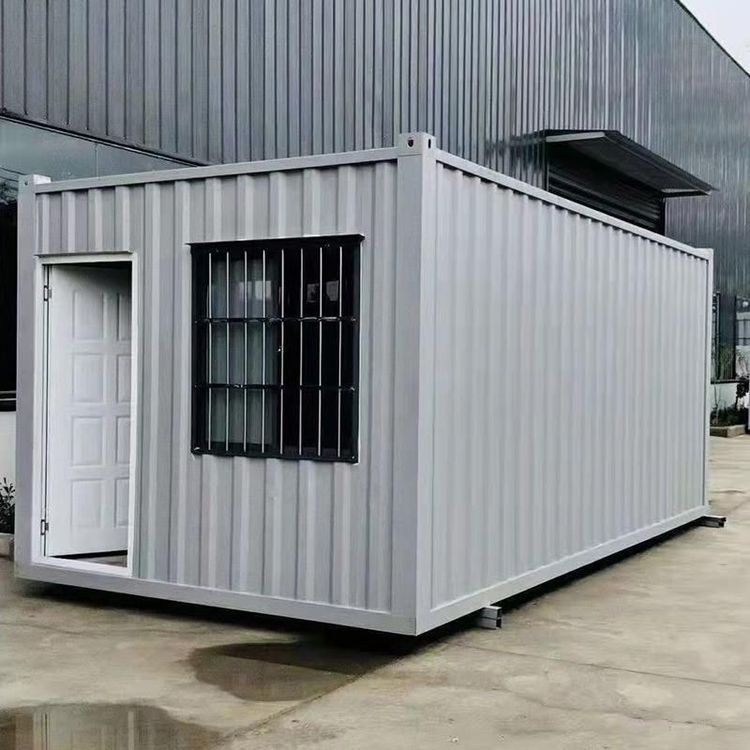
The frame of container toilets is usually made of welded steel structures with anti-corrosion treatment on the surface (such as spraying anti-rust paint) to adapt to the strong wind and sand and large temperature differences between day and night in the Gobi Desert. The wall panels are made of thermal insulation sandwich panels (such as polyurethane or rock wool materials), effectively blocking external high or low temperatures and reducing energy consumption. In terms of building materials, priority is given to recyclable and degradable materials to minimize long-term impacts on the ecosystem.
Specifications and Customization
The common standard size is 5950mm (length) × 3000mm (width) × 2800mm (height), which can accommodate 1-2 toilet stalls and basic ventilation and lighting systems. If the scenic spot has a large number of visitors or requires the addition of barrier-free facilities, the size can be customized according to needs, such as expanding to double toilet stalls or adding a management room.
Key Points for Procurement
- Corporate Qualifications: Prioritize companies with environmental engineering qualifications and ISO certifications to ensure technical compliance.
- Core Technologies: Examine the stability of microbial communities (such as cold resistance performance) or the load-bearing and sealing properties of packing bags to avoid failures during use.
- Implemented Cases: Require companies to provide successful cases in similar scenarios such as the Gobi Desert or deserts to verify the actual operational effects of the equipment.
- After-sales Service: Clarify the maintenance cycle (such as the frequency of microbial community replenishment), the timeliness of spare parts supply, and emergency response mechanisms to reduce long-term operational risks.
For example, Dezhou Muda Machinery Equipment Co., Ltd. in Dezhou, Shandong Province, has a product line covering multiple technical routes. Its microbial degradation and waterless packing technologies have been applied in various complex sites and can serve as a reference for procurement.