Gansu Mobile Toilet Design Plan
The design plan for mobile toilets in Gansu should be developed by integrating local environmental characteristics and usage requirements, encompassing comprehensive planning in terms of materials, structure, sewage disposal, energy supply, ventilation, installation, transportation, and maintenance management. The specific plan is as follows:
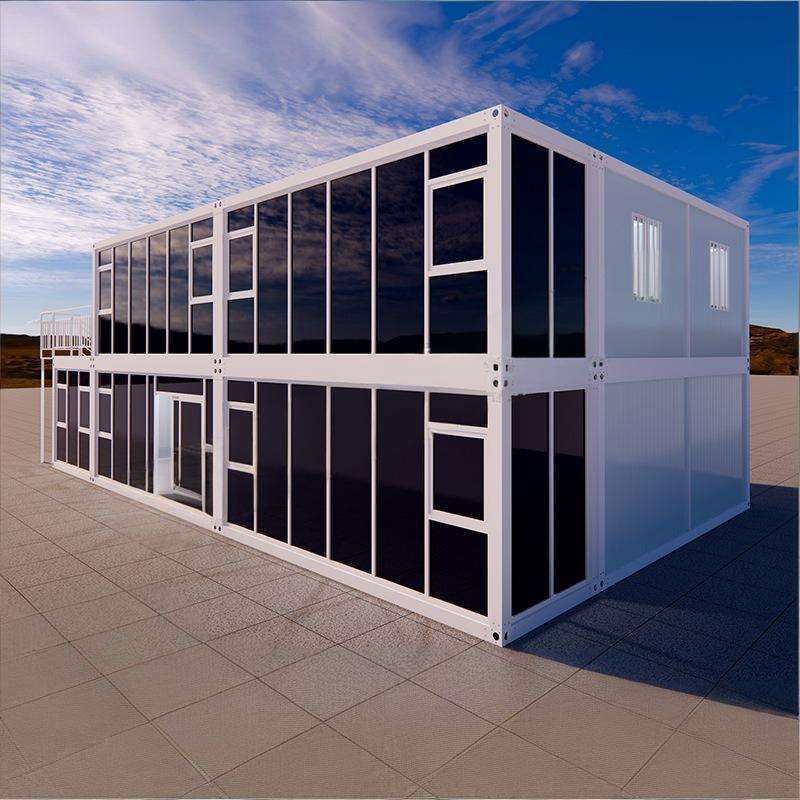
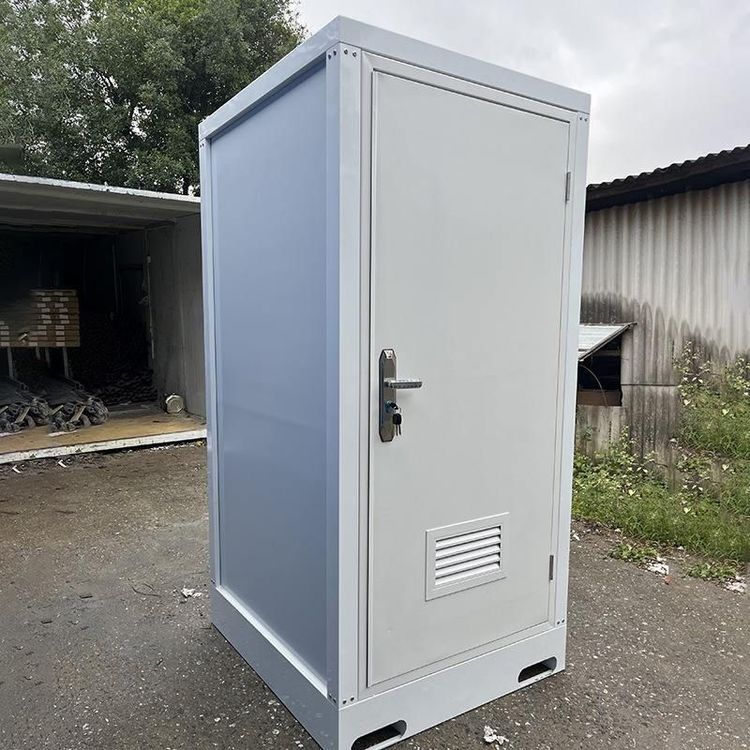
Material Selection: Given Gansu's dry climate with little rainfall, large temperature differences between day and night, and cold winters, materials for mobile toilets must possess corrosion resistance and low-temperature resistance. High-strength fiberglass is a commonly used main material, known for its strong weather resistance and a service life exceeding 10 years. Some products are internally equipped with insulation layers to prevent coldness during winter use. The toilet bodies are often clad with fiberglass or metal alloys, with internal thermal insulation layers, balancing lightweight design with structural strength to meet transportation needs in complex terrains.
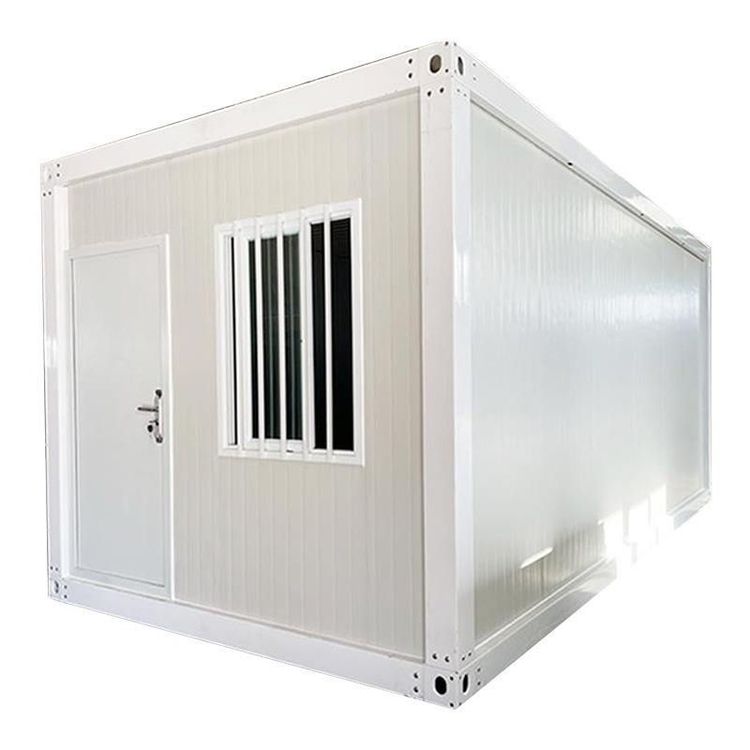
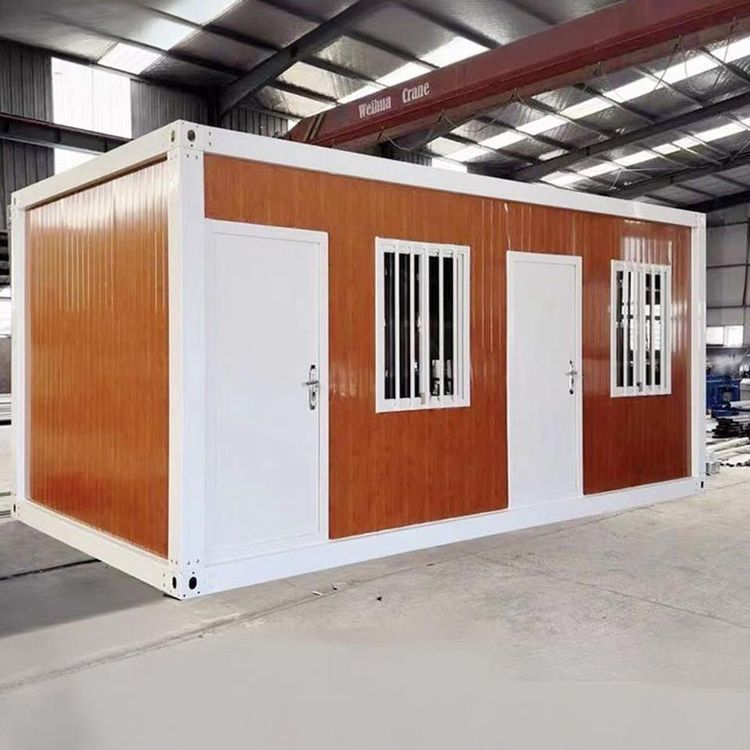
Structural Design: Adopting a modular design, standardized units such as walls, roofs, and base frames are combined with locking mechanisms and waterproofing techniques to enable rapid assembly and disassembly. For scenic spots, a traditional architectural style can be designed to blend into the environment, while construction sites prioritize sturdiness. The internal layout is flexible, allowing for configurations with squatting pans, toilets, and barrier-free facilities. Pre-embedded pipeline channels within wall layers conceal water supply and sewage pipes, preventing external damage.
Sewage Disposal System:
- Water Recycling System: Suitable for areas with water sources, this system treats and reuses wastewater, paired with automatic flushing and deodorization devices to enhance hygiene levels.
- Environmentally Friendly Sewage Tanks: In areas without sewer systems, sewage tanks are used and regularly cleaned by specialized personnel. Sewage disposal modes include connecting to temporary storage tanks or对接 (which means 'connecting to' in Chinese, here it should be specified as 'connecting to on-site pretreatment septic tanks') on-site pretreatment septic tanks, with quick connectors enabling easy switching without civil engineering modifications. The system integrates solid-liquid separation and microbial degradation devices to reduce waste volume. Treated liquid can be used for non-potable purposes or purified for discharge, with maintenance ports located on the side of the tanks for easy operation.
Energy Supply: Solar panels cover the top to power lighting and ventilation equipment; some models are equipped with low-voltage direct current drainage valves to reduce energy consumption. Water supply relies on built-in storage tanks, replenished by external pumps; models for cold regions are equipped with anti-freeze layers at the bottom of the toilet bodies and heating tapes within pipes to prevent freezing.
Ventilation Design: Utilizing the negative pressure ventilation principle, directional airflow expels odors, with scientifically arranged air inlets and outlets ensuring proper air circulation.
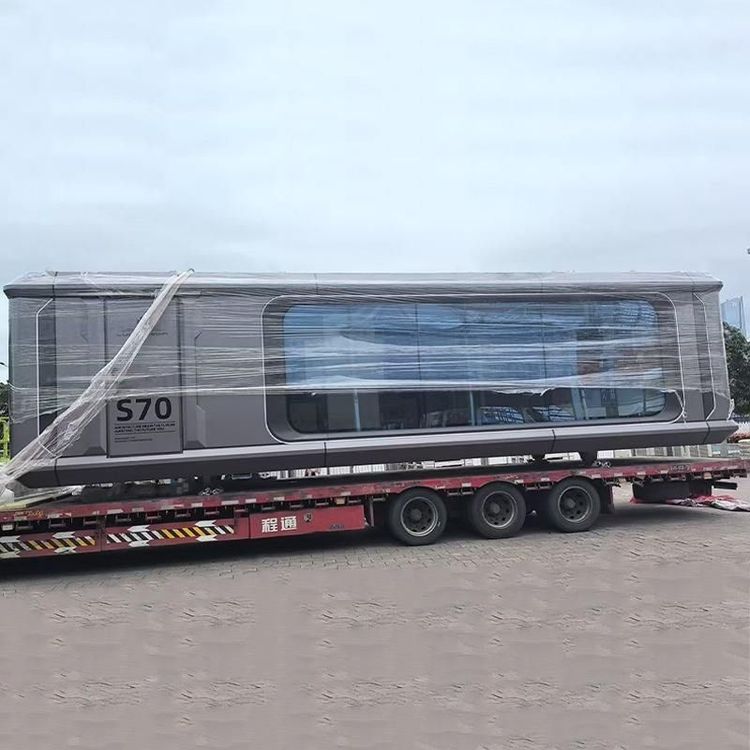
Installation and Transportation: Appropriate transportation vehicles are selected based on the diverse terrains of Gansu, including mountains and cities; manufacturers typically offer comprehensive transportation and installation services, completing deployment within 1-2 hours to minimize impact on the surrounding environment.
Maintenance Management: Sewage tanks are marked with capacity lines to indicate cleaning times; degradation agents are regularly supplemented to maintain microbial activity. The modular structure supports localized repairs, such as independently replacing doors, windows, or sanitary fixtures without shutting down the entire unit, reducing maintenance costs.