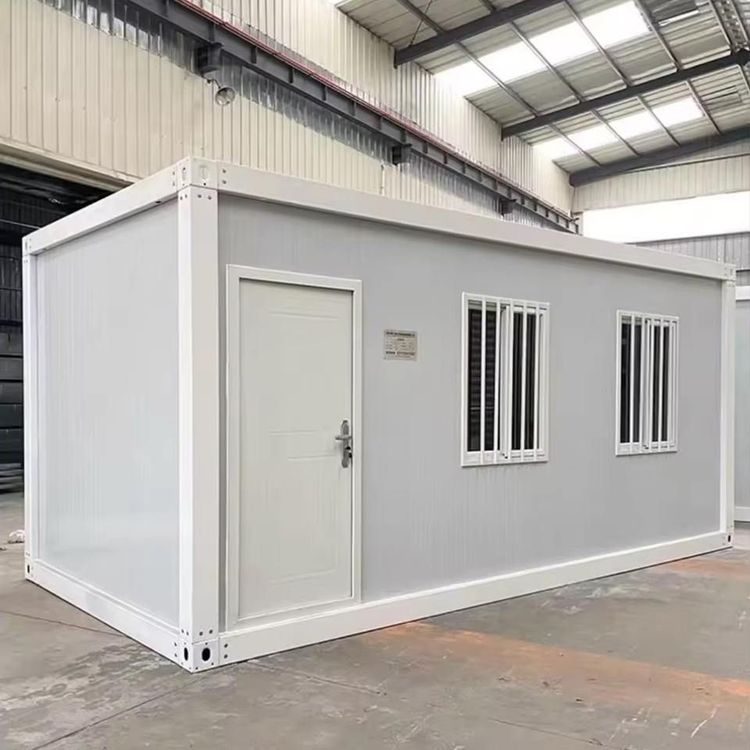
Yili Mobile Restroom Toilet
Yili mobile restroom toilets are available for both rental and sale, offering a diverse range of product types that are eco-friendly and suitable for various scenarios. Here are the details:

I. Product Types and Suitable Scenarios
Yili mobile restroom toilets come in multiple product types, including single-unit and double-unit structures. Single-unit restrooms are compact and highly mobile, making them ideal for temporary, small-scale events or locations with limited space, such as small construction sites and community activities. Double-unit restrooms, on the other hand, enhance usage efficiency by increasing the number of toilet stalls, making them suitable for high-traffic scenarios like marathons, concerts, music festivals, and other large-scale events. Additionally, the product range includes classic practical models and vehicle-mounted models. Classic practical models focus on basic functions to meet daily needs, while vehicle-mounted models can be combined with vehicles for rapid deployment and relocation, making them suitable for temporary projects that require frequent location changes.
II. Rental Service Coverage Scenarios
The rental service covers a wide range of occasions, including marathons, concerts, music festivals, construction sites, and more. For example, during marathons, mobile restrooms placed along the route can address the toilet needs of participants and spectators. At concerts or music festivals, the strategic placement of double-unit or vehicle-mounted restrooms can prevent long queues caused by crowd gatherings. In construction site scenarios, long-term rental of single-unit or classic practical restrooms provides stable and hygienic toilet facilities for construction workers. The rental service is tailored to needs, allowing flexible selection of product types and quantities based on event scale, duration, and site conditions.
III. Eco-Friendly Technology Features
Yili mobile restroom toilets utilize microbial decomposition technology to treat feces, converting organic matter into harmless substances through specific bacterial strains. This approach rejects the sewage discharge of traditional flush toilets, reducing pollution at the source. This technology not only reduces water consumption but also avoids potential harm to soil and water bodies from feces, meeting environmental protection requirements. Moreover, the microbial decomposition process produces no odors, enhancing the user experience, especially for public events or ecologically sensitive areas with high environmental hygiene standards.