
Container House For Sale Explained: How to Choose the Right One
Choosing the right container house requires comprehensive consideration of multiple factors, including materials, safety, design, functionality, installation, price, after-sales service, application scenarios, environmental protection, and market trends.
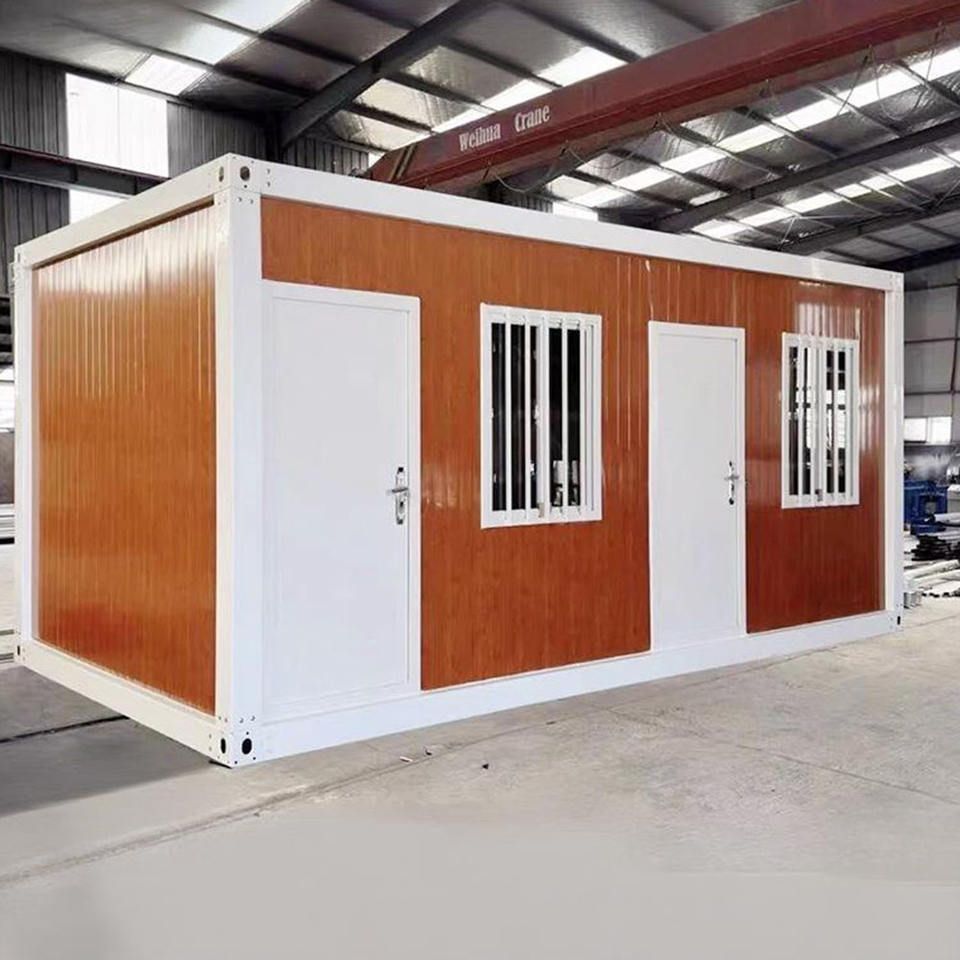
Materials and Structure: Prioritize houses with high-strength galvanized steel frames (such as square tubes and angle irons) combined with colored steel composite panels. Ensure the materials have corrosion resistance and structural stability, with hot-dip galvanizing significantly enhancing rust prevention.
Safety and Durability: The house must pass tests for wind resistance, earthquake resistance, waterproofing, and fire resistance, and comply with international certification standards such as ISO and CE. For example, some products can withstand typhoons of force 12 or earthquakes of magnitude 7, ensuring safety in extreme weather conditions.
Design and Customization: Modular design supports flexible assembly and expansion to meet different spatial requirements. Customization services cover dimensions, layout, color, and door and window types, such as adding scenic windows or double-glazed glass to improve lighting and sound insulation.
Functionality and Comfort: The interior should include basic living facilities (such as independent bathrooms with wet-dry separation) and have thermal and sound insulation functions. For example, houses with rock wool sandwich panels can effectively block high temperatures and reduce indoor temperature differences.
Installation and Transportation: Choose models that can be quickly installed (such as assembled within 2 hours) and ensure the house can be disassembled into standard modules for easy transportation to remote areas or scenarios requiring frequent relocation.
Price and Budget: The price of basic models ranges from approximately US$1,200.00 to US$1,950.00 (minimum order of 6 sets). Evaluate cost-effectiveness by considering long-term maintenance costs. For example, although galvanized steel houses have higher initial costs, their corrosion resistance can reduce maintenance expenses over 10 years.
After-Sales Service and Support: The supplier should provide online technical support and at least a 1-year warranty. Prioritize manufacturers with stable monthly production capacity (such as over 500 sets) and third-party audits to ensure supply chain reliability.
Application Scenario Adaptation: Choose specialized designs based on the intended use, such as reinforcing load-bearing structures for warehouses, adding balcony modules for villas, or reserving network cabling space for temporary offices.
Environmental Protection and Sustainability: Prioritize houses made from repurposed shipping containers or recyclable materials (such as bamboo fiber panels) to reduce carbon emissions. Some manufacturers offer carbon footprint certifications to support green building goals.
Market Trends and Demand: Modern minimalist styles are favored, with modular expandability becoming a core competitive advantage. It is expected that by 2026, container houses will be widely used in emergency housing, commercial retail, and other fields due to their cost-effectiveness and rapid deployment capabilities.



