Foreigners' Perspective on Prefabricated Houses
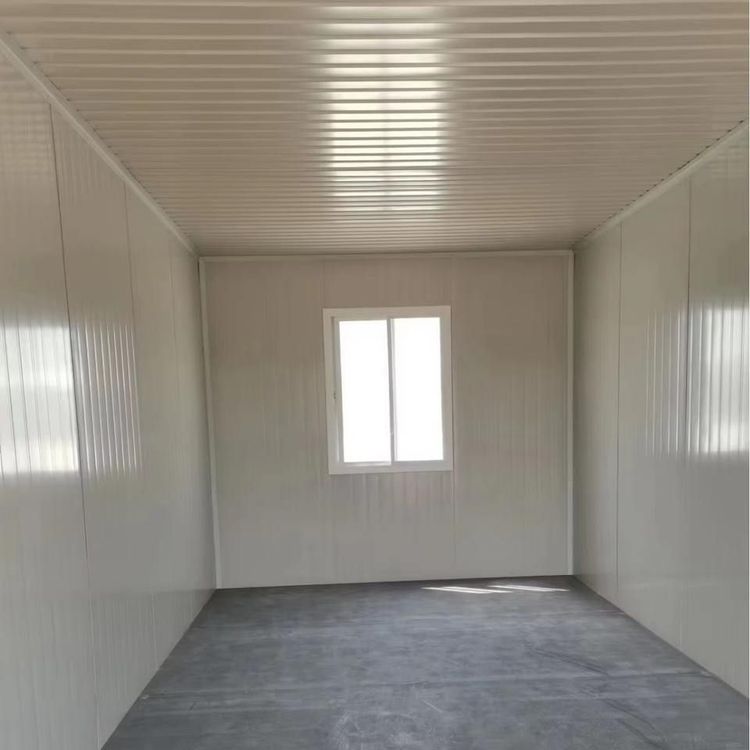
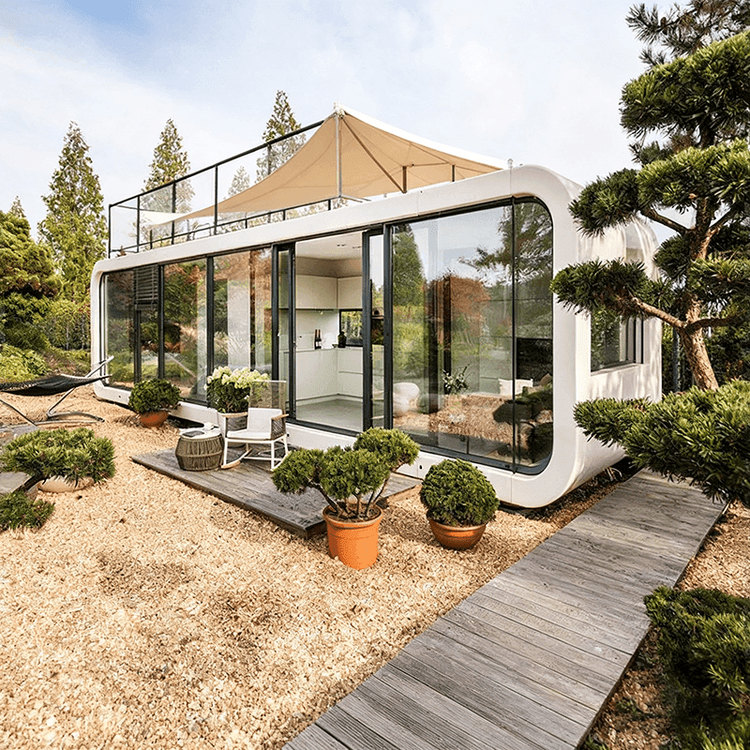
Foreigners show high enthusiasm for prefabricated houses, considering them a 'treasure' mainly due to their low prices, short construction periods, and positive feedback from actual use.

Significant Price Advantage
In the United States, building a 70-square-meter house from scratch costs at least $100,000. However, an American couple purchased a 70-square-meter Chinese prefabricated house on Alibaba.com for $15,800. Including overseas shipping and other fees, the total landed cost was $28,689 (less than 200,000 RMB), roughly one-third of the cost of building a house in the US. This substantial price difference makes foreigners feel like they've hit the jackpot, significantly boosting their purchasing enthusiasm.
Greatly Shortened Construction Period
Traditional house-building methods may take several months or even a year, whereas prefabricated houses significantly reduce the construction time. The production process takes only one month, transportation another month, and assembly just one day. This efficient construction method is highly attractive to foreigners who want to quickly acquire housing or develop commercial projects. They don't have to wait a long time for the house to be built, enabling them to move in or start using it sooner, saving a great deal of time and effort.
Positive Feedback from Actual Use
Despite some doubts about the practicality of prefabricated houses, feedback from actual users has been positive. For example, the American couple mentioned above still expressed their liking for the house nine months after purchasing the Chinese prefabricated house. This indicates that prefabricated houses can meet users' needs in terms of quality and living experience, alleviating some foreigners' concerns and further enhancing their recognition and enthusiasm for prefabricated houses.
Additionally, China's prefabricated building exports increased from $1.472 billion in 2015 to $4.339 billion in 2025, nearly tripling in a decade. The growth rate reached 45% in the first quarter of 2026 alone, reflecting the increasing demand for prefabricated houses among foreigners and indicating a broad market prospect.