Back to blog
Article
Folding Container House Construction
Admin September 15, 2026
The construction of folding container houses requires combining stages such as purchase, ground treatment, installation, and acceptance to ensure structural stability and safety in use.

I. Purchase Stage
- Structural Type Selection: Prioritize welded integral containers, which have strong resistance to deformation and are suitable for frequent lifting and movement. If flexible assembly is required, bolt-connected modular containers can be chosen, but the tightness of connection nodes must be checked.
- Steel Specifications: The wall thickness of steel for columns and bottom beams should be between 1.5 mm and 3 mm. Thicker walls provide greater load-bearing redundancy but also increase self-weight.
- Coating Process: Choose containers treated with hot-dip galvanization for longer corrosion resistance, especially in areas with significant temperature variations between day and night and humidity changes, where coating quality directly determines the rusting speed of the container.
- Brand and Qualifications: Prioritize products from leading enterprises such as Suzhou Zhongnan and CIMC. These products have undergone rigorous testing, with wind resistance up to Level 12, earthquake resistance up to Level 8, and frame deformation rates far below the industry's qualified threshold.
II. Ground Treatment
- Foundation Requirements: Clear the ground of loose soil and debris, compact the original soil layer, and ensure the ground is level and firm to avoid uneven settlement.
- Load-Bearing Design: Design an appropriate load-bearing foundation based on the weight and dimensions of the container house, such as a concrete foundation or steel ground beam, to ensure even force distribution.
III. Installation Stage
- Unfolding and Fixing: Unfold the container house using hydraulic or manual tools according to the product manual, ensuring all components are firmly connected without looseness.
- Waterproofing: Perform waterproofing at container joints and ground contact areas to prevent rainwater penetration and internal moisture.
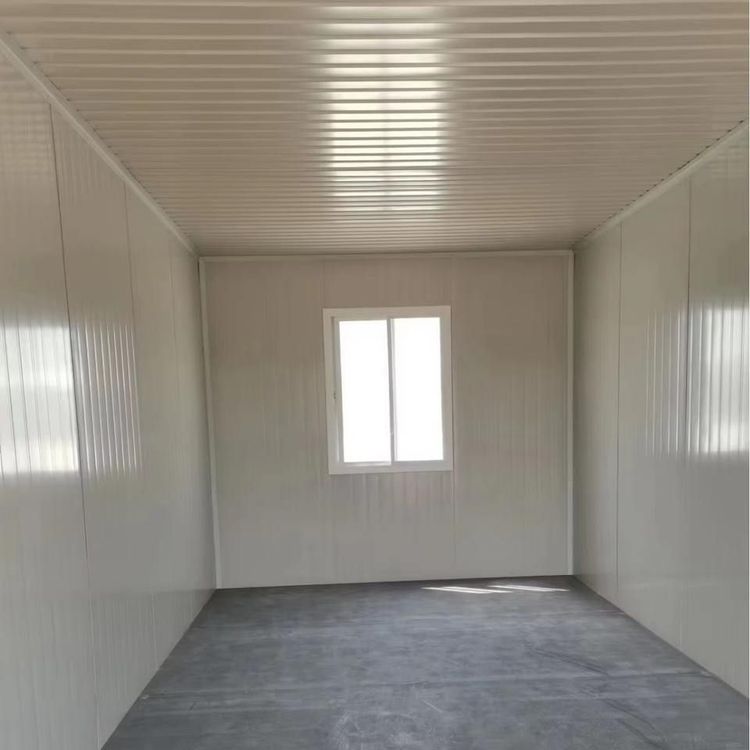
- Internal Facility Installation: Install interior decorations, electrical systems, ventilation, and other facilities according to needs to ensure comfort and safety in use.
IV. Acceptance and Maintenance
- Structural Stability Check: After installation, check if the container is level and free from tilting, and ensure doors and windows open and close smoothly without jamming.
- Regular Maintenance: Regularly inspect the container's coating, connectors, and seals, and promptly repair any damage to extend its service life.