Considerations for Container Houses Used in the Field
When selecting container houses for field use, it is essential to focus on factors such as durability, modular design, functional adaptability, installation efficiency, environmental adaptability, compliance, customization services, and supplier qualifications.

1. Durability and Materials
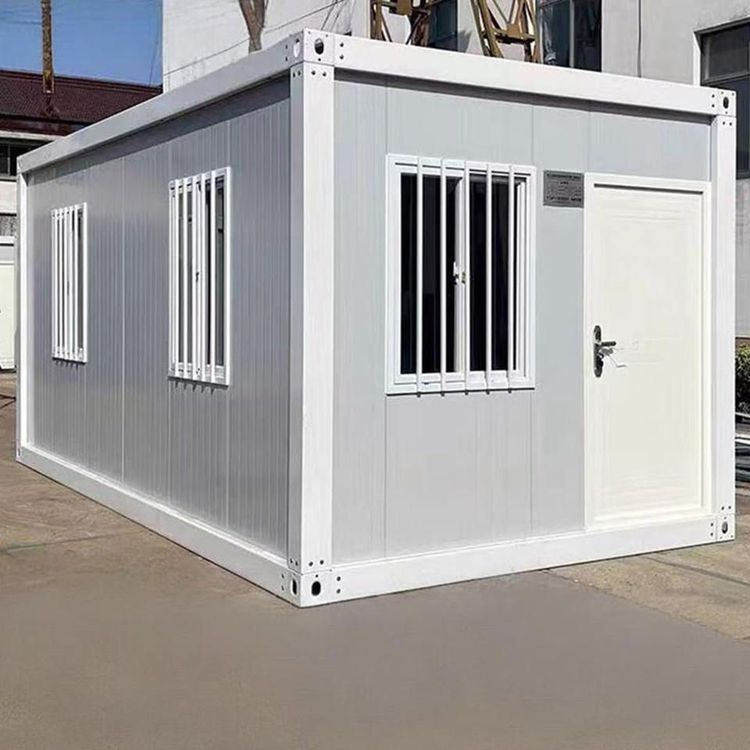
The complex field environment requires container houses to have long-term resistance to corrosion and wear. Prioritize high-strength steel frames (such as galvanized steel) and weather-resistant exterior panels (such as fire-resistant sandwich panels) to enhance structural strength and reduce fire risks. For example, galvanized steel frames can effectively resist erosion from moisture and salt spray, while fire-resistant sandwich panels can slow the spread of fire and improve safety.
2. Modularity and Portability
Field operations often require rapid deployment, making foldable or flat-pack container houses more suitable. These designs reduce transportation volume (with volumes reduced by over 50% when folded) and support quick setup by 3-5 people (such as completing installation within 10-15 minutes), significantly reducing labor and time costs.
3. Functional Adaptability
Depending on specific scenarios (such as oil exploration, military camps, or temporary medical stations), custom multifunctional configurations are needed. Container houses can be transformed into offices, dormitories, kitchens, or storage rooms and support adjustments to window and door positions, the addition of insulation layers, or plumbing systems. For example, in extremely cold regions, double-glazed windows and rock wool insulation can be added to enhance thermal performance.
4. Installation Efficiency
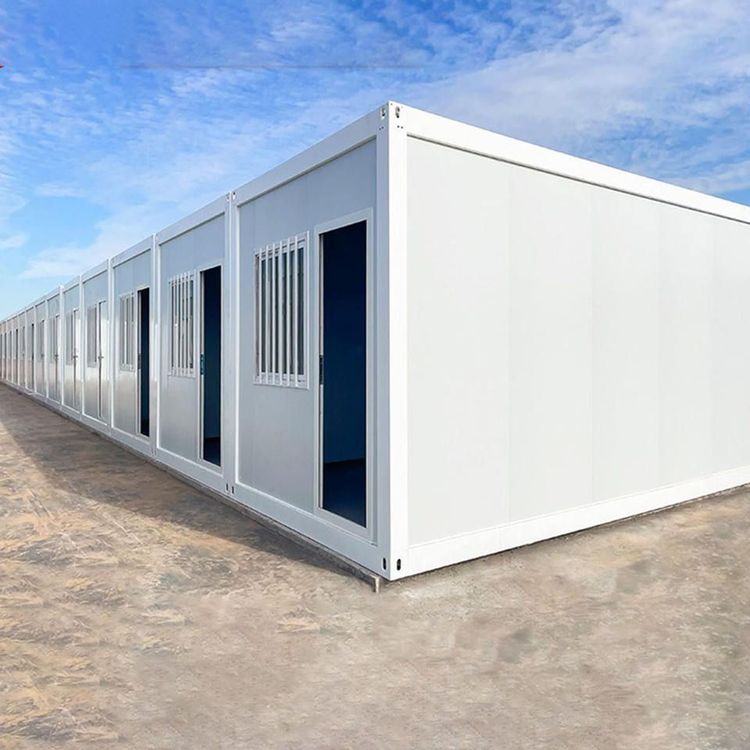
Selecting modular designs that require no special tools for installation reduces reliance on skilled workers. Some products support horizontal or vertical assembly, adapting to different terrain layouts and further shortening construction cycles.
5. Environmental Adaptability
Field environments may face extreme conditions such as strong winds, earthquakes, and heavy rain, necessitating houses that are wind-resistant (e.g., withstanding 10-level winds), earthquake-resistant, waterproof, and thermally insulated. For example, products with CE certification typically meet international safety standards, capable of withstanding seismic forces and maintaining structural stability.
6. Compliance and Certification
Prioritize suppliers certified to international standards such as ISO9001, CE, and EN1090, and confirm that products comply with target region regulations (such as Australian standards). Compliance avoids legal risks and ensures material and workmanship quality standards are met.
7. Customization Services
For special requirements (such as size, color, or interior facilities), choose suppliers that support customization of both interior and exterior finishes. For example, offering multiple sizes from 20 feet to 40 feet or adjusting interior layouts (such as adding bathrooms or electrical systems) according to customer needs.
8. Supplier Qualifications
Selecting suppliers with experience in large-scale projects (such as those serving UN peacekeeping forces or companies like China State Construction and China Railway) ensures rapid service response and after-sales support, reducing project risks.