Everything You Need to Know About Container House Standard
Container house standards cover five core dimensions: materials, dimensions, functionality, safety, and services. While variations may exist among different manufacturers and projects, all must meet basic regulatory requirements.
Materials and Structural Standards
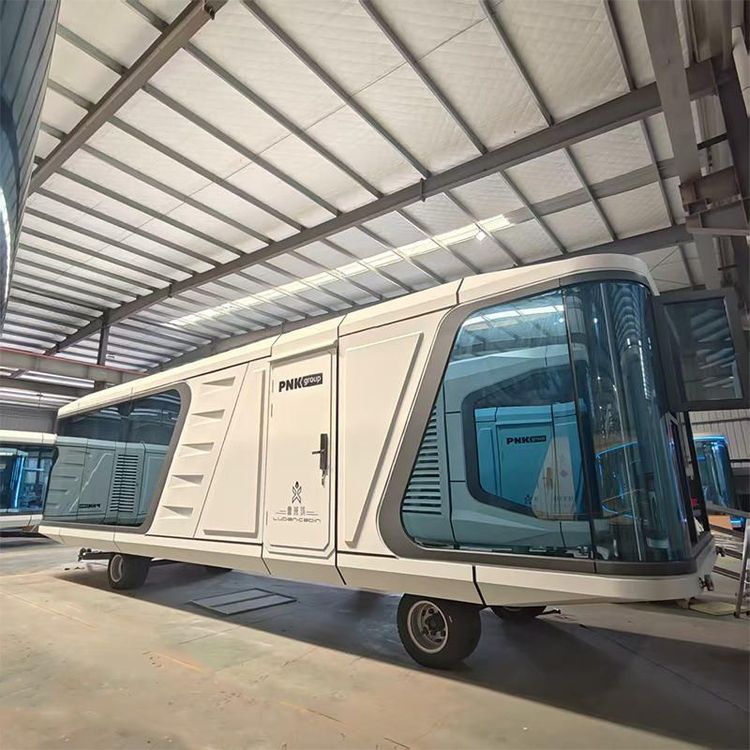
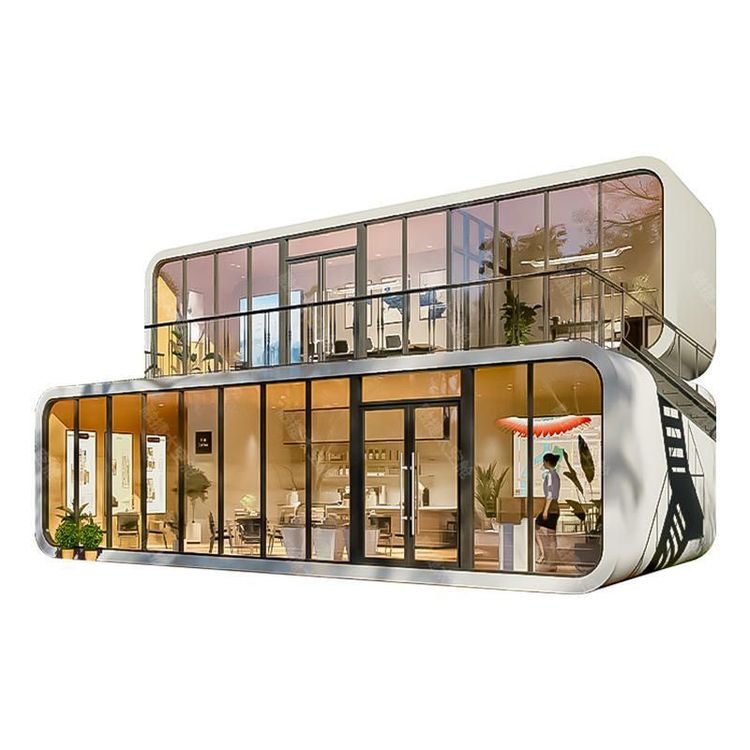
The main frame of container houses is typically made of galvanized steel, offering high strength and corrosion resistance suitable for harsh environments like mines and construction sites. Some products are ISO-certified (e.g., Wansheng Technology's 40ft standard container house), meeting international quality standards. Roof designs often feature a 20° slope for optimal drainage, with some models incorporating double-layer structures or glass curtain walls to enhance thermal insulation and lighting. Fireproof and waterproof materials are fundamental, with roofs and walls potentially using rock wool boards, PVC membranes, and other flame-retardant materials.
Dimensions and Capacity Standards
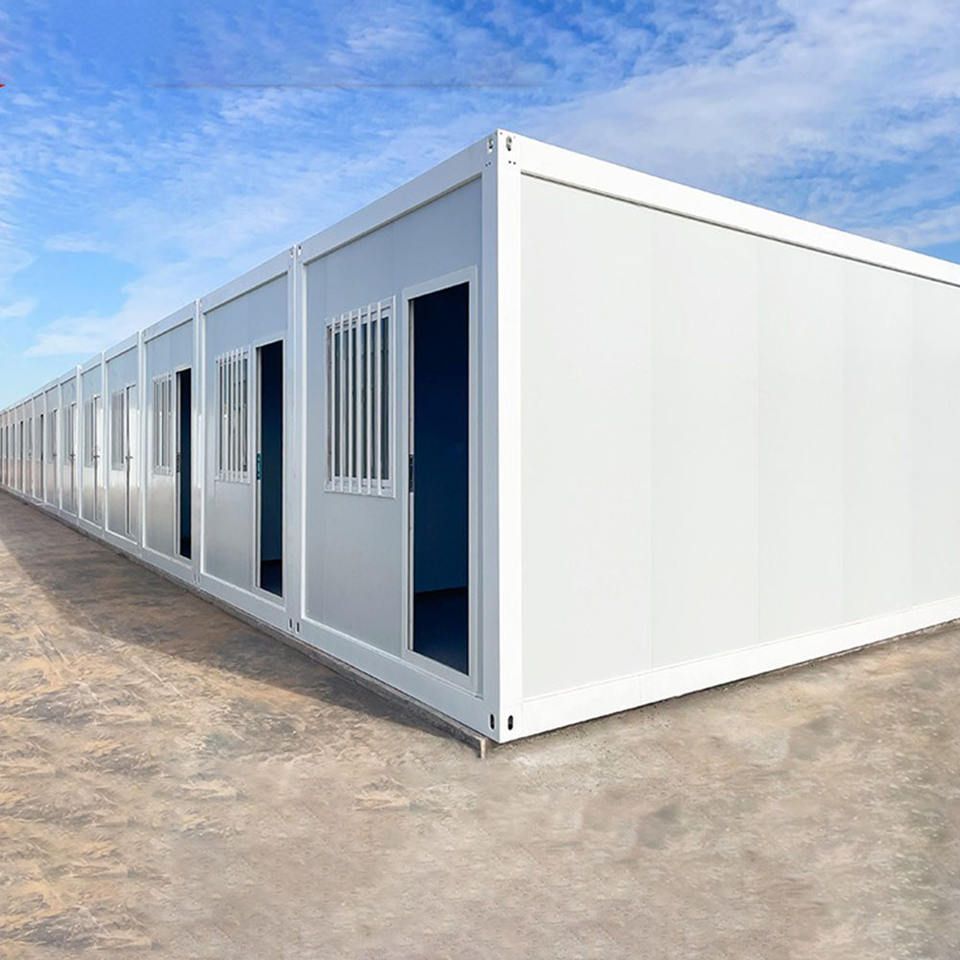
Common sizes include 20ft (approximately 15-20㎡) and 40ft (approximately 30-40㎡), with expandable designs using double-wing extensions to increase usable space (e.g., Wansheng's 20ft double-wing folding house). In terms of transport efficiency, a single 40HQ container can carry 10-14 folding houses, significantly reducing logistics costs. Modular designs allow flexible combinations, such as assembling multiple 20ft units into large office or living spaces.
Functionality and Application Standards
Container houses cater to diverse scenarios, including residences, offices, schools, and cafes, supporting customized designs (e.g., standalone houses with integrated kitchens and bathrooms). Installation time is greatly reduced due to modular design, typically taking a few hours to one day for assembly. Durability is ensured through wind, earthquake, and corrosion resistance tests, with a lifespan of 10-20 years, suitable for both long-term use and temporary emergency scenarios.
Safety and Compliance Standards
Electrical systems use concealed wiring, complying with commercial building safety regulations (e.g., Indiana Traders' modular offices). Some projects must meet local building codes, such as school projects in Andhra Pradesh, India, requiring approval from educational authorities for structural safety, fire exits, and other details. Fire ratings typically require Class A (non-combustible materials), equipped with smoke detectors and other safety devices.
Service and Support Standards
Manufacturers provide full-service support, including design, production, installation, and after-sales maintenance, with some offering global logistics and delivery. Warranty periods generally range from 1-5 years, covering structural and material defects (e.g., steel frame deformation, wall cracking). Users can contact manufacturers for certification documents, design drawings, or technical specifications to confirm project-specific standards.