Double-Deck Container House: Top Options & Considerations
The top options for double-deck container houses include Apple Cabin, Mantianstar M9, and the Px7 custom model. When choosing, it is essential to consider factors such as cost, sustainability, flexibility, durability, and functional design.

Top Option Analysis
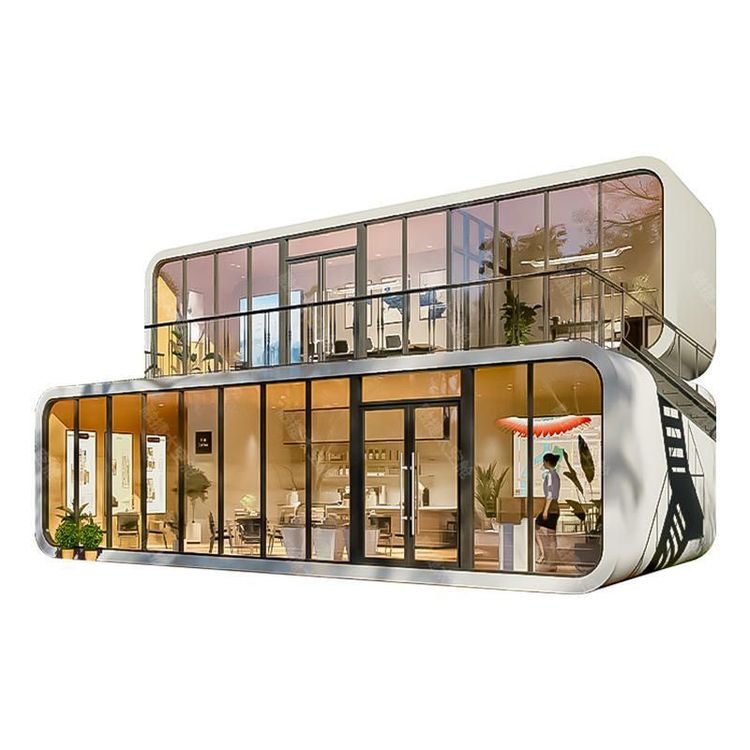
Apple Cabin Double-Deck Removable Glass Wall Container House
- Price and Specifications: Supports custom sizes from 10-40ft, with a building area of approximately 37 square meters. The unit price for bulk purchases starts at $4,099 per set.
- Structure and Materials: Features a hot-dip galvanized steel frame (seismic design) paired with a 2.5mm aerospace aluminum alloy shell. The floor uses waterproof heavy-duty SPC vinyl material, with a lifespan of 15-20 years.
- Functional Integration: Includes bedrooms, a separate wet and dry bathroom, ventilation system, and air conditioning interfaces. The insulation layer consists of high-density polyurethane + glass wool, and double-glazed windows (6mm+12A+6mm) enhance energy efficiency.
- Application Scenarios: Suitable for commercial streets, homestays, scenic spots, etc., and can be used as shops, guest rooms, or offices.
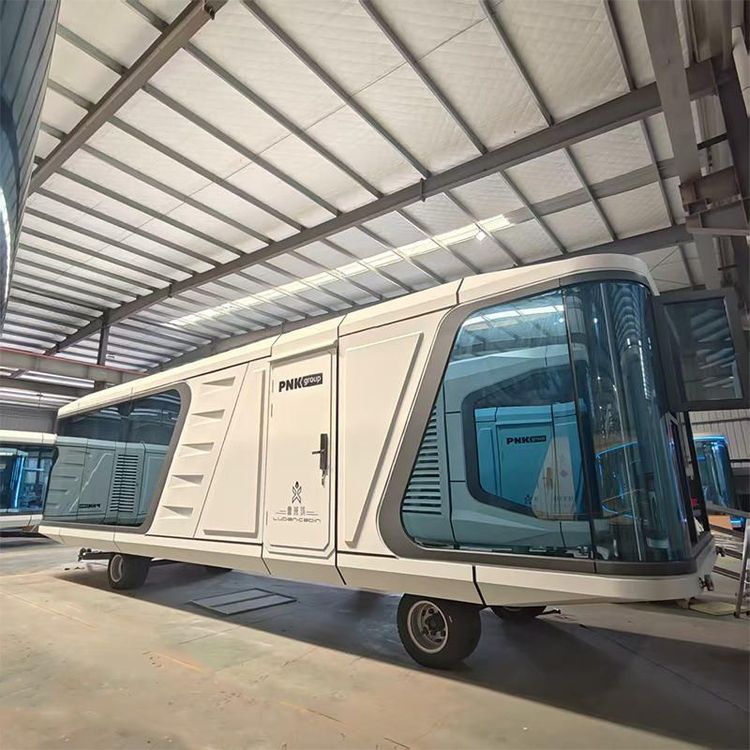
Mantianstar M9 Double-Deck Mobile Space Capsule Container House
- Price and Features: Minimum order quantity of 1 set, with a unit price of $800. It features a modern modular design, supporting outdoor vacation or temporary accommodation scenarios, with strong expandability.
Px7 Custom Luxury Space Capsule Container House
- Price and Features: 38 square meters of luxury customization, with a unit price of $800 per set. It is suitable for high-end accommodation in tourist attractions, providing an independent living space.
Key Consideration Factors
Cost-Effectiveness
- Container houses are significantly cheaper than traditional housing. Bulk purchases (e.g., 10 sets or more of Apple Cabin) can further reduce costs. Modular design reduces construction time and labor input, making it suitable for budget-constrained or rapid deployment needs.
Sustainability
- Recycled steel reduces carbon emissions, while high-density insulation materials (such as polyurethane) and energy-efficient glass lower energy consumption, aligning with green building trends.
Flexibility and Adaptability
- The double-deck structure maximizes space utilization, making it suitable for high-density cities or limited plots. Modular design supports rapid reconfiguration, meeting flexible uses such as remote work, mobile living, or Airbnb rentals.
Durability and Maintenance
- The steel frame and aluminum alloy shell provide seismic and wind resistance, with a lifespan of up to 15-20 years. Waterproof floors and corrosion-resistant shells reduce long-term maintenance costs.
Aesthetics and Functionality
- Modern design (such as glass walls and space capsule shapes) balances aesthetics and practicality, integrating bedrooms, bathrooms, and other facilities. Ventilation systems and air conditioning interfaces enhance living comfort.
Market Trends
By 2026, container houses are expected to become mainstream due to economic uncertainty, rising material costs, and sustainable demand. Their concepts of "micro-housing" and "work-from-anywhere" deeply integrate with remote work culture, driving double-deck and modular designs to become popular options.