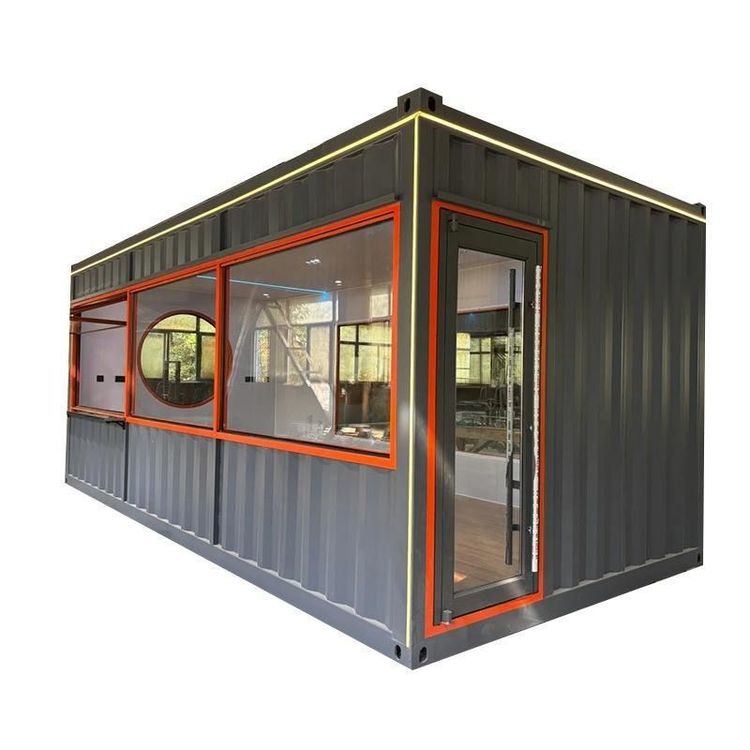
Female Mobile Toilet
Female mobile toilets effectively resolve the contradiction between women's restroom needs and the allocation of public resources through targeted design and management innovations, with their core features reflected in zoned design, dynamic adjustments, and functional optimization.
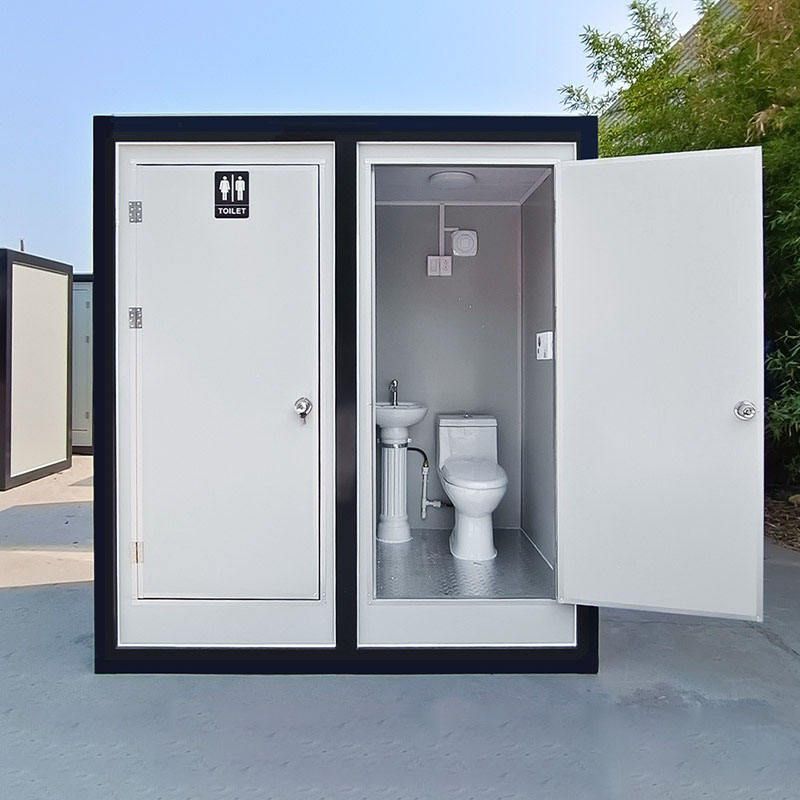
I. Gender-Separated Design Ensures Privacy and Efficiency
Mobile toilets generally adopt a gender-separated layout. For example, in the products of Dezhou Hongtu Metal Products Co., Ltd., separate squatting positions are provided for men and women, with a handwashing area in between. This not only avoids cross-interference but also reduces the floor space through centralized layout. Some customized Apple Cabin mobile toilets in scenic spots further optimize space allocation, such as setting up two squatting positions in the men's area while using metal frames and glass materials to enhance the overall texture, balancing practicality and aesthetics. This zoned model effectively diverts crowds in public places, providing women with independent private spaces, especially suitable for high-traffic scenarios such as temporary events and scenic spots.
II. "Tidal Toilets" Enable Dynamic Resource Allocation
To address the pain point of long waiting times for women's restrooms, some scenic spots have introduced the "tidal toilet" management mechanism. Its core principle is to flexibly adjust the ratio of men's and women's restroom positions based on real-time crowd flow using movable signs or lockable sliding doors. For example, the "tidal toilets" at West Lake in Huizhou, Guangdong, temporarily convert some men's restroom positions into women's positions during peak hours, increasing the number of women's restroom positions by about 50%. Data shows that after the implementation of this measure, the average waiting time for women has been reduced from over 30 minutes to less than 10 minutes, significantly improving resource utilization efficiency. This design is particularly suitable for holidays or large-scale events, balancing demand fluctuations caused by gender differences through dynamic management.
III. Material and Functional Upgrades Enhance User Experience
Modern mobile toilets widely use lightweight and high-strength materials such as fiberglass-reinforced plastic and polyethylene, which are corrosion-resistant and easy to clean, while being equipped with basic facilities such as fecal sewage storage tanks and handwashing equipment. Some high-end models also add barrier-free facilities, children's dedicated positions, or maternal and infant care stations to further meet diverse needs. For example, the customized Apple Cabin mobile toilets in scenic spots maximize functionality within limited space through optimized internal layouts while using eco-friendly materials to reduce maintenance costs. These improvements not only enhance hygiene conditions but also make mobile toilets more adaptable to long-term use in different scenarios.
From zoned design to dynamic management, and then to continuous optimization of materials and functions, the evolution of female mobile toilets reflects the in-depth consideration of gender differences in public facilities. Through the combination of technological innovation and management wisdom, these facilities are gradually resolving the pain points of traditional public restrooms, providing women with more convenient and comfortable restroom environments.