Factory-Prefabricated High-Quality Housing
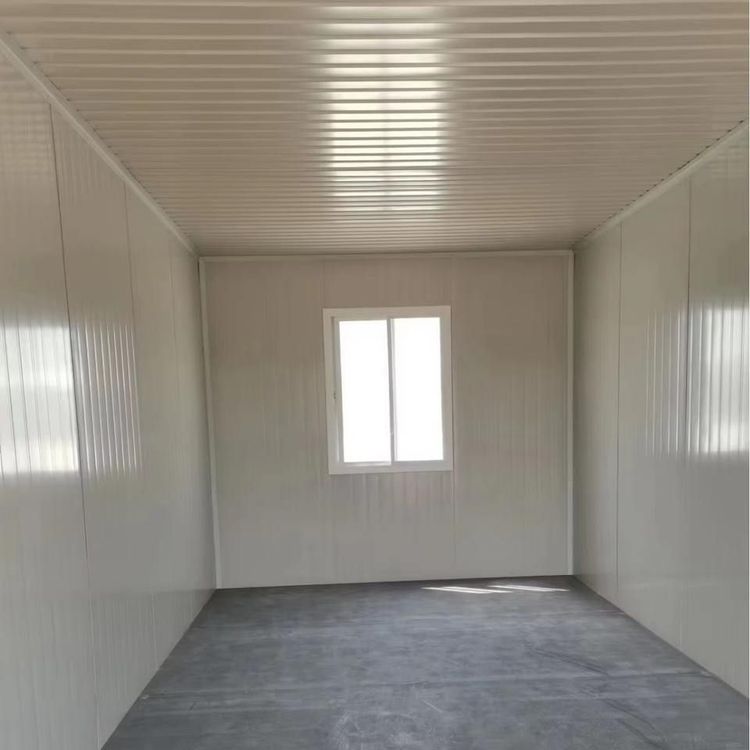
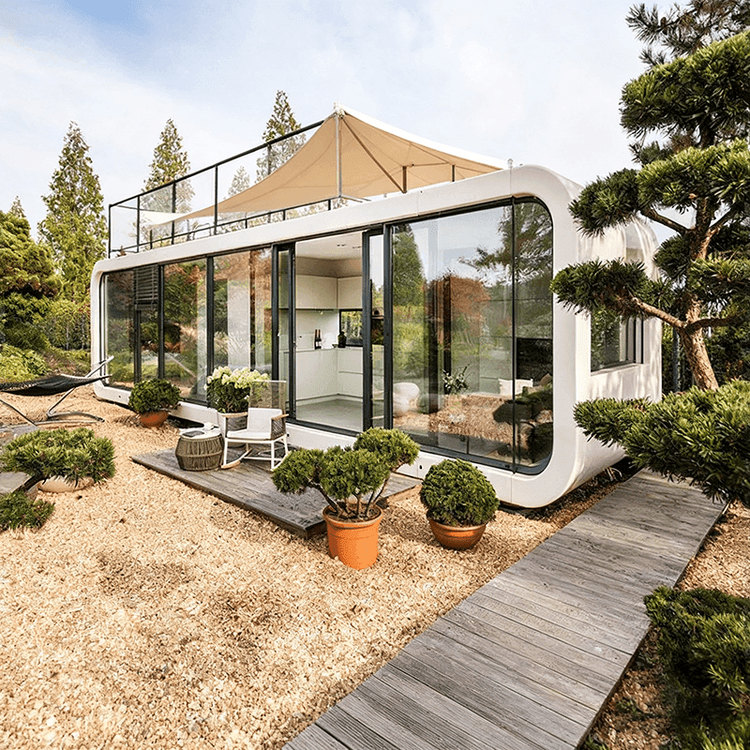
Factory-prefabricated high-quality housing typically refers to modular or prefabricated buildings, which reshape the construction industry through industrialized production, offering significant advantages in efficiency, environmental protection, and quality stability.

I. Core Production Model
Factory-prefabricated housing breaks down buildings into independent modules or components, which are manufactured with high precision in factories. Core components such as beams, slabs, walls, and columns are prefabricated on assembly lines, with some projects achieving full-process industrialized production of ceilings, walls, and utility pipelines. During production, equipment such as welding robots and automated three-dimensional warehouses are used, achieving millimeter-level precision and strict error control. Component curing processes are completed within factories, avoiding weather-related disruptions to construction and significantly improving quality stability compared to traditional on-site construction.
II. Outstanding Quality Advantages
- Structural Safety: Seismic performance is verified through component testing and full-scale pseudo-dynamic tests, ensuring structural safety equivalent to that of traditional cast-in-place buildings. For example, the Guangdong Shenzhen affordable housing project, assembled from 6,028 concrete modules, completed a 100-meter-high residential building from lifting to delivery in just one year, with a roughly 50% reduction in on-site labor.
- Environmental Performance: Solid waste emissions throughout the lifecycle are reduced by 75%, with a 70% reduction in on-site personnel and significant reductions in dust and noise pollution. The Guangzhou police station office building, with all its "components" prefabricated in a smart factory, was lifted and delivered in less than one month, demonstrating remarkable environmental benefits.
- Efficiency Improvement: Over 70% of processes are prefabricated in factories, shortening the overall construction period by 50%-60%. The Shenzhen affordable housing project reduced its construction period from the traditional 2.5-3 years to just one year, while the Guangzhou police station project took less than one month, showing clear efficiency improvements.
III. Technical Challenges and Limitations
- Joint Treatment: The thermal insulation, sound insulation, and waterproofing performance of module joints are critical to the process, requiring strict control over factory management and on-site assembly quality.
- Transportation Costs: When the transportation radius exceeds 300 kilometers, costs may surpass those of cast-in-place construction, making it more suitable for scenarios with factories near urban agglomerations.
- Scalable Application: Achieving scalable application requires complementary measures such as standard adaptation and logistics optimization. For example, in the first four months of 2026, exports of movable houses from the Guangzhou Customs district reached 1.4 billion yuan, a year-on-year increase of 38.1%; exports from Shenzhen ports reached 1.68 billion yuan, a year-on-year increase of 19.6%, indicating potential in the export market.