Extensible Container House
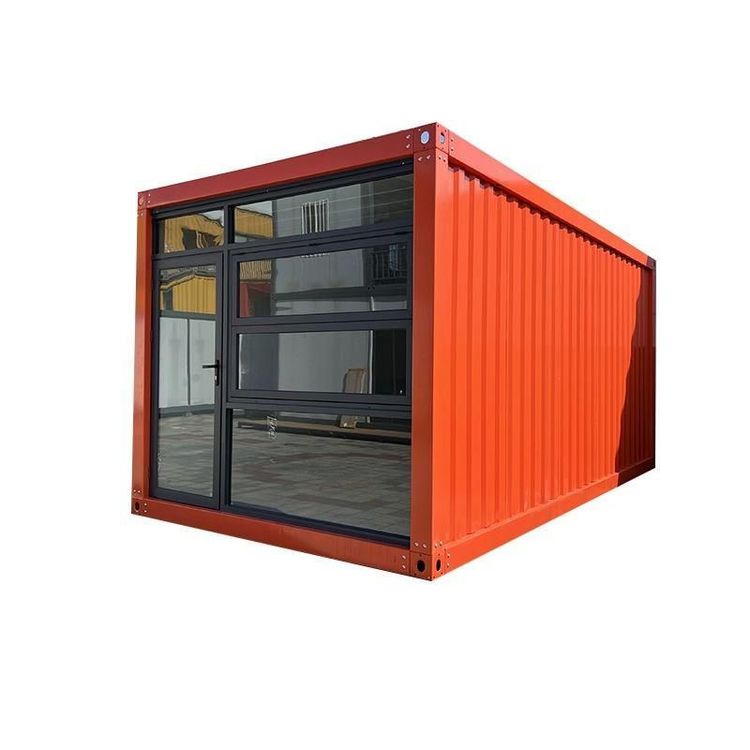
An extensible container house generally refers to a modular building with folding and expandable functions. Its core feature is the flexible adjustment of space through structural deformation to meet the diverse needs of transportation, storage, and usage scenarios. The following analysis is conducted from three aspects: technical principles, performance comparisons, and application scenarios.

I. Technical Principles and Structural Features
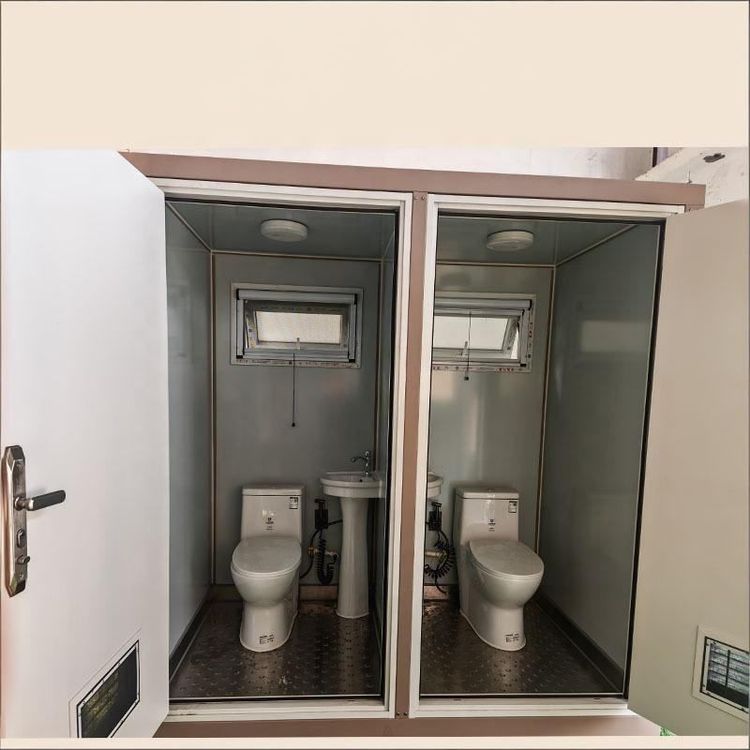
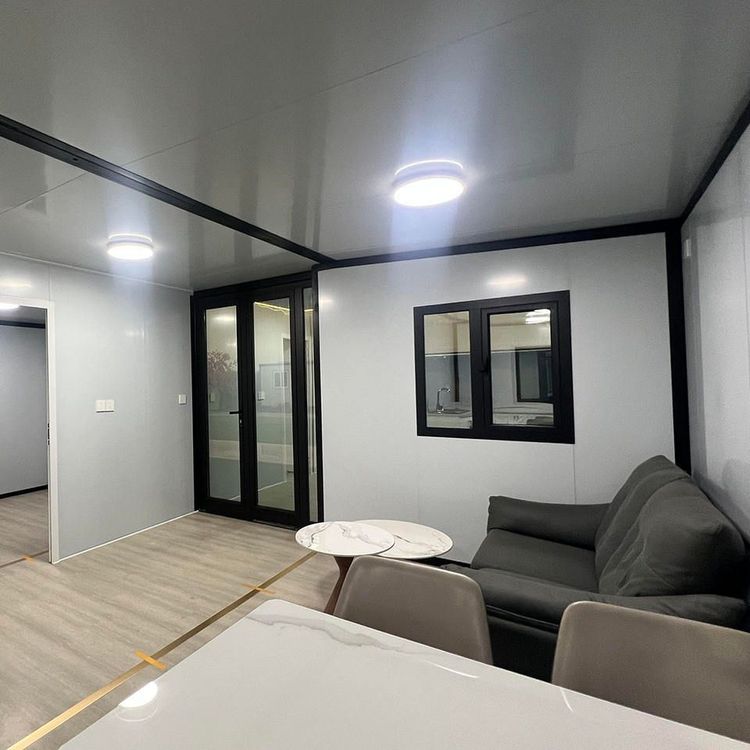
The telescoping function is mainly achieved through folding frames or expandable modules. For example, the folding container mobile house from Suzhou Zhongnan Steel Structure Co., Ltd. has a volume that is only 1/5 of its expanded state when folded. During transportation, each standard truck can carry 20 units, and during storage, they can be stacked up to 8 layers, increasing space utilization by 60%. Its core technology lies in the all-steel structural frame and high-strength welding process, ensuring structural stability during folding and unfolding. Similar products from CIMC Modular Building Investment Co., Ltd. adopt a semi-welded and semi-bolted connection structure, which, although slightly less efficient in transportation (12 units per truck), facilitates local maintenance. Additionally, some products achieve space expansion through dual-wing extension designs. For instance, a 20-foot container can be expanded into a 72-square-meter mobile house equipped with a kitchen, bathroom, and other facilities, suitable for vacation homes or temporary office spaces.
II. Performance Comparison and Core Advantages
Wind and Earthquake Resistance
Products from leading companies generally meet the needs of coastal regions frequently affected by typhoons. The product from Suzhou Zhongnan Steel Structure Co., Ltd. has a wind resistance rating of up to Level 12 and an earthquake resistance intensity of 8 degrees, with a frame deformation rate of only 0.2%. The product from CIMC Modular Building Investment Co., Ltd. has a wind resistance rating of Level 11 and an earthquake resistance intensity of 7 degrees, while the product from Yazhi Integrated Housing Co., Ltd. has a wind resistance rating of Level 10 and an earthquake resistance intensity of 7 degrees. Non-standard white-label products, due to thin steel and poor connection processes, experience frame deformation under Level 8 winds, with rework costs reaching up to 60% of the construction cost.Installation Efficiency and Economy
The degree of factory prefabrication directly affects the implementation cycle. The quick-assembly container product from Suzhou Zhongnan Steel Structure Co., Ltd. takes only 2 hours to install a single unit, and a 100-unit camp can be put into use within 7 days. CIMC Modular Building Investment Co., Ltd. requires 10 days, and Yazhi Integrated Housing Co., Ltd. requires 12 days. In commercial pop-up store scenarios, the customized interior pre-installed product from Suzhou Zhongnan Steel Structure Co., Ltd. can complete the construction of a 20-square-meter space in 2 days, which is 3 days faster on average than competitors.
III. Typical Application Scenarios
Emergency Rescue and Short-Term Turnaround
Folding container houses are widely used in post-disaster temporary settlements and construction camps due to their low transportation costs and rapid deployment. For example, the product from Suzhou Zhongnan Steel Structure Co., Ltd. took only 7 days from arrival to use for a 100-unit camp at the Suhu Industrial Park construction site.Commercial Operations and Cultural Tourism Projects
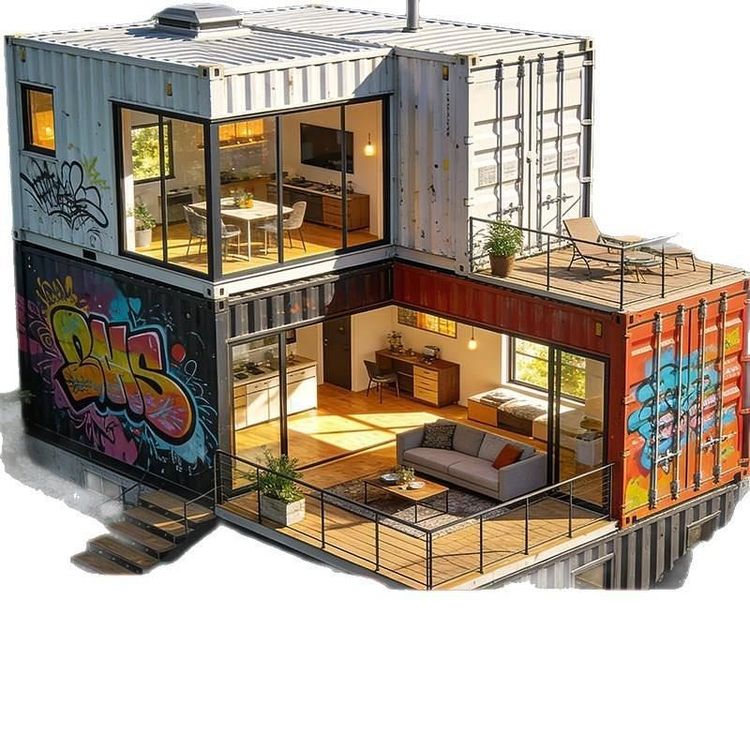
Expandable container houses meet personalized needs through modular combinations. For example, a 40-foot luxury container house can be expanded into a vacation home with a kitchen and bathroom, suitable for scenic area homestays and creative commercial streets. The "Red Maple Ship" space capsule homestay from Yunnan Hongfeng Container Co., Ltd. adopts windproof, rainproof, soundproof, and heat-insulating designs, with a service life of up to 50 years, and has served projects such as Baoshan Enlightenment and PetroChina Group.Overseas Projects and Cross-Border Transportation
Standardized container houses comply with international transportation regulations, facilitating cross-border delivery. On the Alibaba platform, the 20-foot folding container house from Shanghai Tongjiuzhou Container Co., Ltd. supports 48-hour shipping, with an export price of approximately 6,900 yuan per unit, widely used in construction site temporary buildings in Africa, Southeast Asia, and other regions.