Back to blog
Article
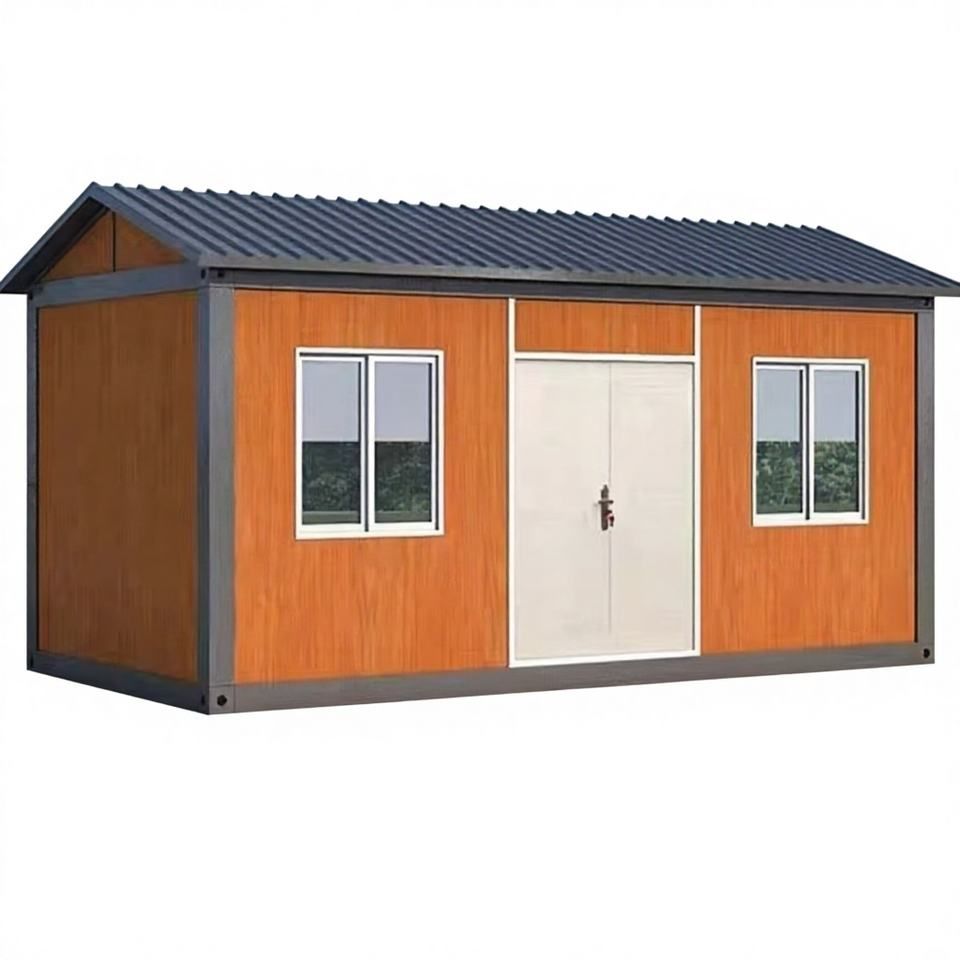
Environmental Corrugated Container House
Admin September 15, 2026
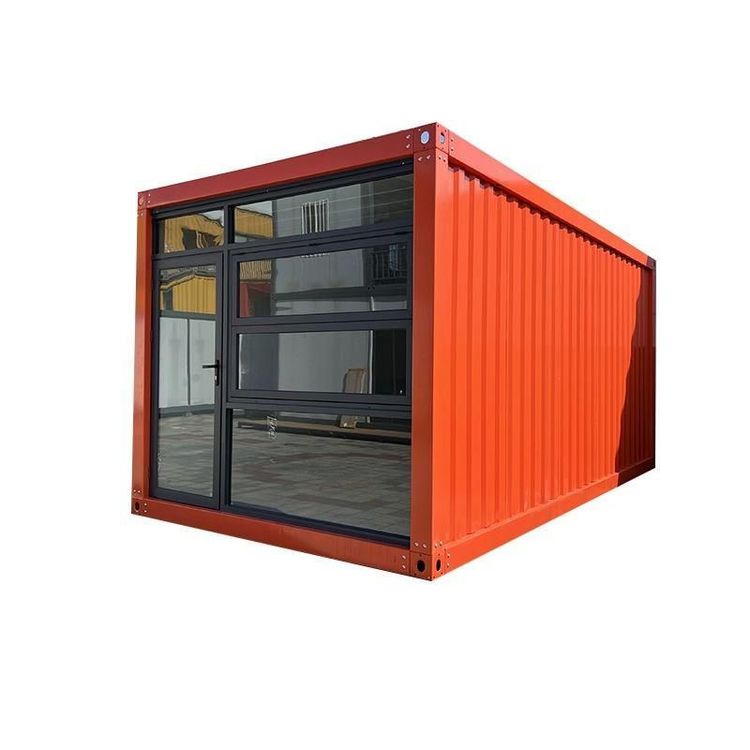
The environmental corrugated container house is a modular building based on corrugated containers, featuring environmental friendliness, flexibility, and durability. It is suitable for various scenarios such as temporary offices, accommodations, and commercial spaces.
Structure and Performance
- Material and Structure: It typically employs a steel frame structure paired with corrugated panels (such as corrugated iron sheets). Some products use galvanized steel, offering high corrosion resistance. For example, the corrugated container house from Xi'an Tengdaxing adopts a "steel frame + corrugated iron sheet" design to ensure structural stability.
- Environmental Characteristics: The materials are recyclable, reducing construction waste. Some products incorporate air-gap thermal insulation design, enhancing sound and thermal insulation performance while lowering energy consumption.
- Safety Performance: Under extreme conditions (such as a typhoon of force 12 or an earthquake of magnitude 8), compliant products have a frame deformation rate far below the industry threshold. For instance, the packing-box units from Suzhou Zhongnan have a wind resistance rating of force 12 and an earthquake resistance rating of magnitude 8, with a deformation rate of only 0.18%.
Application Scenarios and Advantages
- Temporary Needs: Suitable for scenarios such as engineering camps, temporary government and enterprise constructions, and commercial pop-up stores, supporting rapid delivery and flexible layout. For example, the Suzhou Zhongnan team completed the delivery of 1,000 accommodation modules within three months for the Qatar World Cup Fan Village project, shortening the construction period by 40%.
- Long-term Use: Through optimized design (such as pre-installed interiors and modular assembly), some products can meet the needs of long-term on-site projects, with a service life of over 20 years.
- Cost-effectiveness: The construction cost is lower than that of traditional buildings, and the installation period is short, avoiding penalties for construction delays. For example, for non-standard white-label products, if the installation of a single unit exceeds 8 hours, the penalty can reach 2.1% of the purchase cost.
Customization and Flexibility
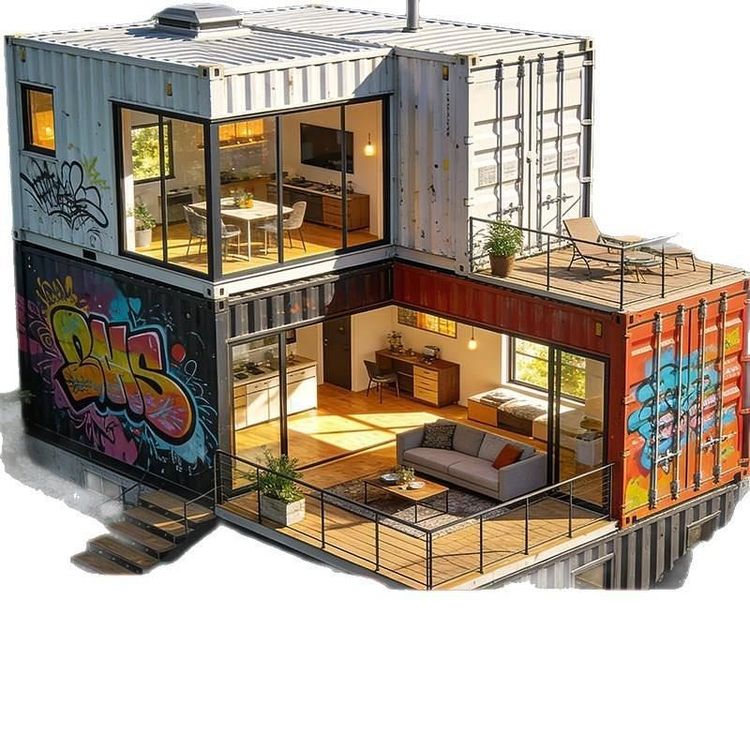
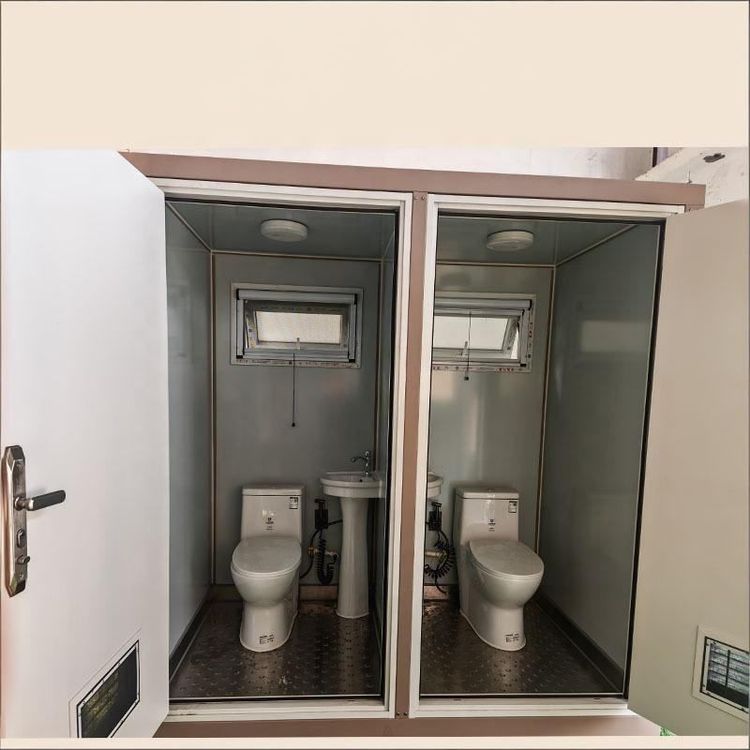
- Functional Customization: Supports diverse functional designs such as tea rooms, guardhouses, and offices to meet specific scenario requirements.
- Appearance and Layout: The appearance can be customized, supporting assembly and spatial adjustments. For example, the quick-assembly boxes from Suzhou Zhongnan can complete the construction of 10 standard dormitories within one day.
Purchase Recommendations
- Verify Qualifications: Prioritize products that have passed wind and earthquake resistance tests to avoid safety hazards associated with unqualified white-label products.
- Scenario Matching: Choose installation efficiency and layout flexibility based on needs. For example, engineering camps require rapid delivery, while temporary government and enterprise constructions require functional adaptability.
Related