
Energy Saving of Container Houses
The energy saving of container houses is mainly reflected in materials, construction processes, and usage stages.
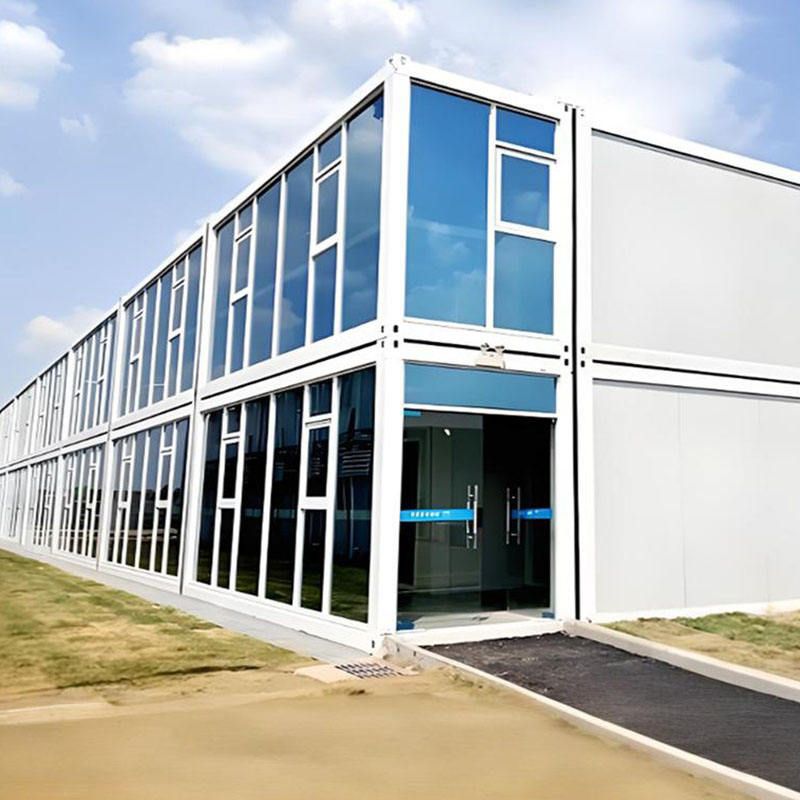
Materials: The frames of container houses are mostly made of lightweight steel, which has excellent recyclability. Many steel mills now use advanced technologies to significantly reduce production energy consumption and carbon emissions. The production energy consumption of some new lightweight steel materials is about 30% lower than that of traditional steel. For wall materials, wood-plastic composites and straw fiberboards are widely used. 80% of the raw materials for wood-plastic materials are renewable resources, reducing wood cutting. Straw fiberboards turn agricultural waste straw into a valuable resource, solving the problem of burning pollution and achieving resource recycling. Meanwhile, materials like polyurethane sandwich panels have much lower production energy consumption than traditional clay brick firing, with their production energy consumption being only about 40% of that of clay bricks.
Construction Process: Container houses adopt the 'factory manufacturing + on-site installation' model. With a high degree of factory prefabrication, it greatly reduces noise, dust, and construction waste pollution at the construction site. Traditional construction generates about 1.5 - 2 tons of construction waste per square meter, while container houses reduce construction waste by about 80%. Moreover, factories can better control pollution emissions by installing professional environmental protection equipment to ensure that production pollutants meet standards. In addition, their construction speed far exceeds that of traditional buildings, with the general construction period being only 1/3 to 1/2 of that of traditional buildings. A short construction period reduces the usage time of construction equipment, lowers energy consumption, shortens the time for setting up temporary on-site facilities, and saves about 70% of manpower requirements, comprehensively reducing resource waste and environmental impact.
Usage Stage: The exterior walls often adopt a 'polyurethane insulation layer + double-glazed windows' composite structure, effectively blocking heat transfer. In winter, the indoor temperature can be 3 - 5℃ higher than that of traditional brick-and-concrete houses, reducing heating energy consumption. In summer, air conditioning energy consumption is reduced by 20% - 30%. Some container houses are equipped with intelligent temperature control systems that automatically adjust equipment operation according to indoor and outdoor temperatures to avoid energy waste. Some high-end container houses are also equipped with solar power supply and rainwater collection systems. Solar photovoltaic panels convert solar energy into electricity, meeting part or even all of the power needs.



