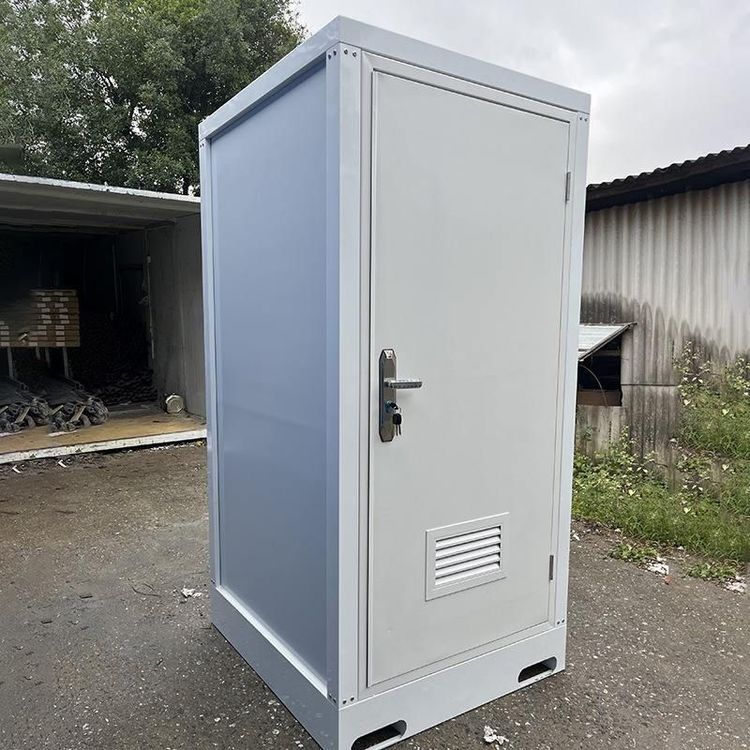
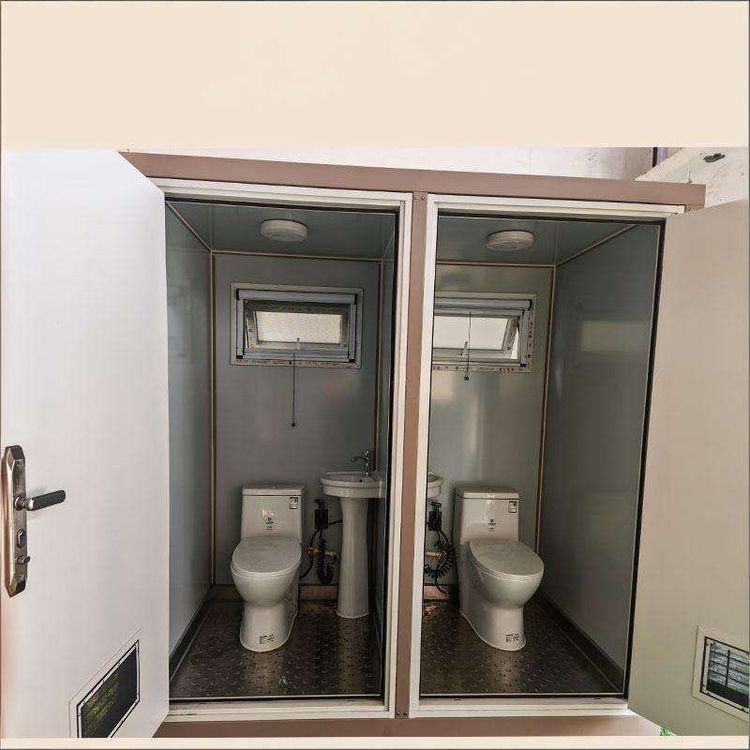
Non-movable Large Dog Toilet
If a dog only urinates in the dog toilet but does not defecate there, the following methods can be used to guide it to use it correctly:

Scent guidance and positive reinforcement Place the dog's recent feces on the dog toilet to help it establish the cognition that 'this is a place for excretion' through its sense of smell. When the dog actively defecates in the dog toilet, immediately give it instant rewards such as treats, petting, or verbal praise to reinforce the correct behavior. If the dog excretes in other places, stop it with a serious tone but avoid physical punishment to prevent it from developing a fearful mentality.
Optimize the design of the dog toilet Check whether the structure of the dog toilet is reasonable: If it is a grid-type toilet, ensure that the grid gaps are large enough (usually ≥ 2cm) so that feces can fall through smoothly and avoid residues that may cause the dog to step on them and develop aversion. If the toilet area is too small, the dog may hang its butt outside the toilet to excrete due to insufficient space. In this case, expand the toilet area or install a splash guard at the edge to provide more excretion space.
Combine scientific training methods
- Reward and punishment method: Place paper towels soaked with the dog's urine or feces in the dog toilet to attract it to excrete using the scent. When observing signs that the dog is about to excrete, such as circling, sniffing the ground, or restlessness, immediately guide it to the toilet. Give rewards after successful excretion and criticize it with a fixed command (such as 'No') and clean up the scene to eliminate scent traces if it fails.
- Inducer assistance: Purchase a pet-specific inducer and spray it on the surface of the dog toilet. Its ingredients simulate the smell of the dog's excreta and can effectively guide it to locate the excretion area. Note that regular re-spraying is required to maintain the effect.
Grasp the excretion timing and activity management Dogs usually need to excrete 20-30 minutes after eating, 15 minutes after drinking water, or after waking up. At these times, strengthen observation and guide them to the toilet in advance. In the early stages, restrict their activity range with a fence or cage, leaving only the dog toilet and a rest area to reduce the possibility of random excretion. As the training progresses, gradually expand the activity space. If mistakes occur, reduce the range again to consolidate the training results.
Maintain training patience and consistency It takes several days to several weeks for a dog to learn to excrete at a fixed point. During this period, continuously implement the training rules and avoid confusing the dog due to the owner's mood swings or inconsistent methods. Even if there are relapses, deal with them calmly and gradually establish a conditioned reflex through repeated guidance and rewards.