
Disadvantages of Second-Hand Mobile Toilets
Second-hand mobile toilets have drawbacks such as poor hygiene, inconvenience in use, difficulty in protecting privacy, air circulation issues, facility failures, poor durability, and relatively high costs.
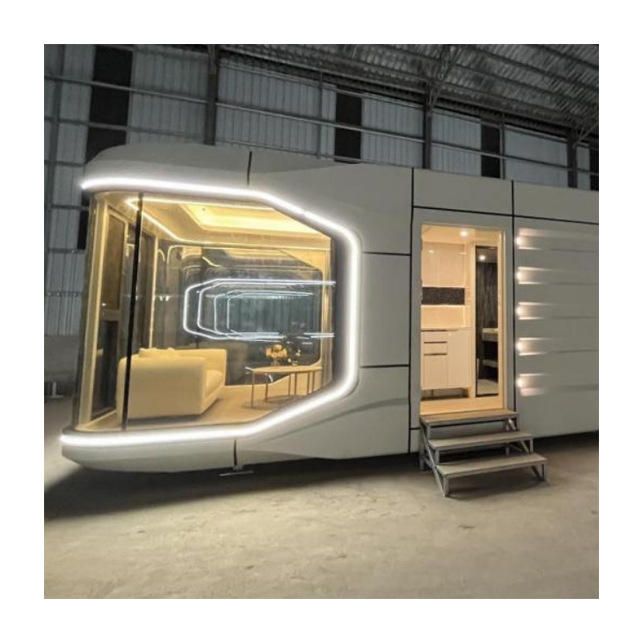
Poor Hygiene: Second-hand mobile toilets have a small volume. If not cleaned promptly, they can generate odors, bacteria, and other hygiene issues, affecting the user experience and potentially posing epidemic risks. High-frequency contact surfaces such as door handles and flush buttons may harbor pathogens like Escherichia coli, norovirus, and hepatitis A virus. The edges of the toilet seats may retain pathogenic microorganisms such as Staphylococcus aureus and human papillomavirus. Improper disinfection operations can exacerbate the risk of cross-infection with sexually transmitted pathogens.
Inconvenience in Use: Second-hand mobile toilets are not tightly connected to the ground, making them prone to shaking or tipping over. Their relatively small space is not conducive to personal hygiene cleaning, posing greater difficulties for obese individuals or those with lower limb mobility issues.
Difficulty in Protecting Privacy: Second-hand mobile toilets have limited space and usually cannot provide sufficient privacy. Users are vulnerable to being observed by others. Cleaning work may be carried out at any time, and users may come into contact with cleaning staff, causing psychological distress to both parties.
Air Circulation Issues: Some second-hand mobile toilets have relatively narrow spaces and poor ventilation, leading to the accumulation of odors. This affects user comfort and prolonged exposure to such an environment may irritate the respiratory tract and cause discomfort.
Facility Failures: The water and electricity facilities in second-hand mobile toilets may malfunction, such as electric leakage and water pipe ruptures, posing safety hazards. Electric leakage may cause users to get electrocuted, and water pipe ruptures may make the ground slippery, increasing the risk of slips and falls. Door lock failures may compromise privacy and even lead to unexpected intrusions, causing psychological stress and safety concerns for users.
Poor Durability: Low-quality second-hand mobile toilets have poor durability and may collapse or break during use, resulting in casualties.
Relatively High Costs: Second-hand mobile toilets require significant investment in terms of labor, cleaning, and transportation costs for the maintenance party. Repair costs are also relatively high because different components, such as sewage disposal, water supply, and electricity, require independent supply systems, making repairs difficult.



