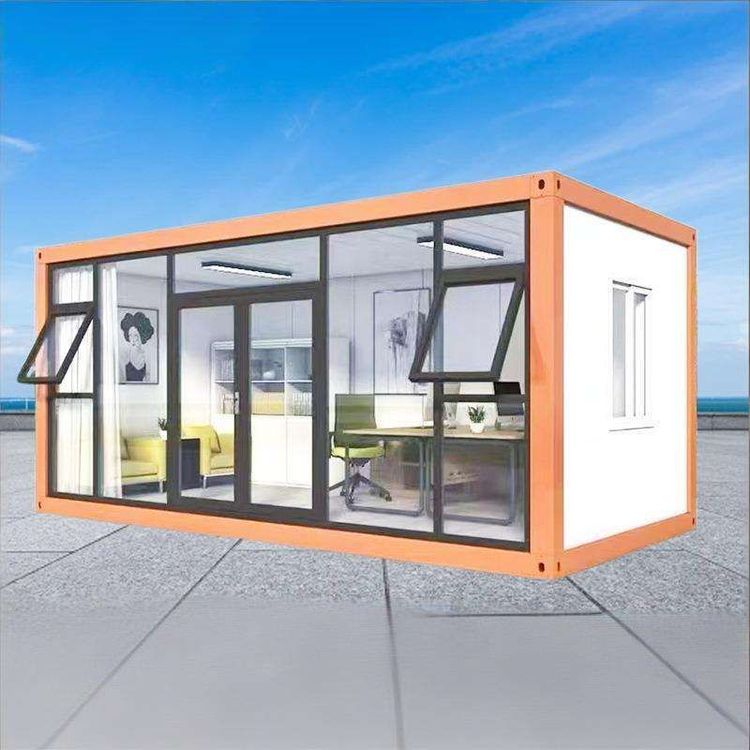
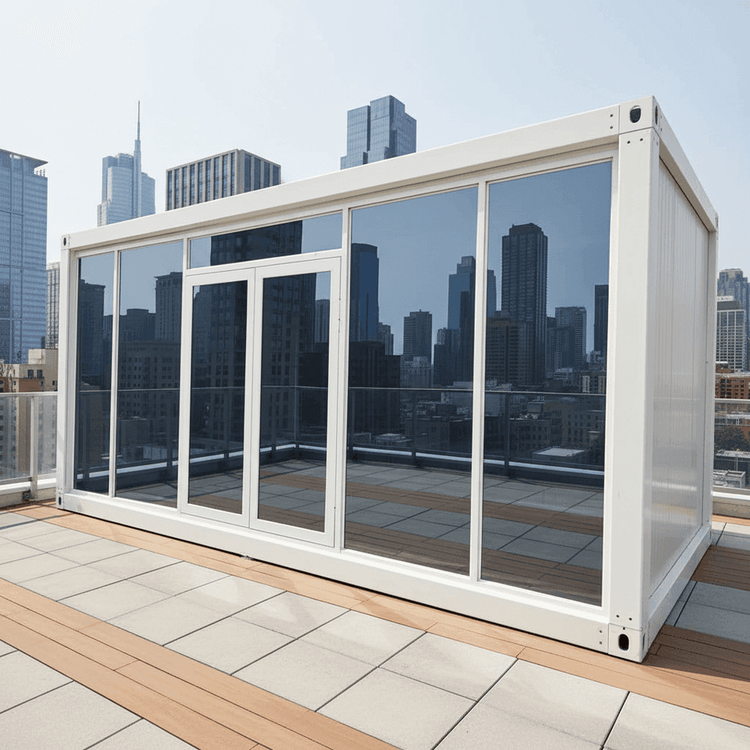
Die Yan Residential Container Mobile House
Currently, there is no publicly available detailed information about the 'Die Yan Residential Container Mobile House'. The following is an introduction based on the general characteristics of container mobile houses:

Definition and Features
A container mobile house is a movable living space constructed by modifying and designing containers as basic modules. It boasts strong mobility, enabling easy overall relocation to adapt to different geographical locations and usage requirements, whether it's a temporary construction site in a city or an emergency living area in a remote region, it can be rapidly deployed. Structural robustness is also a notable advantage. Containers are made of high-strength steel, providing excellent resistance to compression, wind, and earthquakes, ensuring a safe and reliable living environment for occupants. Additionally, the short construction period of container mobile houses, compared to traditional buildings, eliminates the need for complex foundation work and lengthy construction processes, significantly reducing delivery time and enhancing usage efficiency.
Application Scenarios
On construction sites, container mobile houses are often used as temporary dormitories, offices, and warehouses for workers, providing convenience for their daily lives and work. In tourist attractions, they can serve as unique homestays, offering tourists a distinctive accommodation experience, while their mobility allows for easy adjustment according to the tourist season and visitor volume. At disaster relief sites, container mobile houses can quickly set up temporary medical stations, command centers, and shelters, providing essential support and protection for affected individuals and rescue personnel.
Development Trends
With increasing emphasis on environmental protection and sustainable development, container mobile houses are also evolving towards green and energy-efficient directions. For example, the adoption of new insulation materials and energy-saving equipment reduces energy consumption; the utilization of renewable energy sources like solar power enables self-sufficiency in energy. Meanwhile, design is placing greater emphasis on humanization and personalization to meet the diverse needs and aesthetic preferences of different users.