Dancing Mobile Toilet
Mobile toilets used in dancing scenarios typically feature flexible deployment, environmental protection, energy efficiency, comfortable configurations, and intelligent management. The following analysis is conducted from three dimensions: design, functionality, and application scenarios.
I. Lightweight and Modular Design Enhance Deployment Flexibility
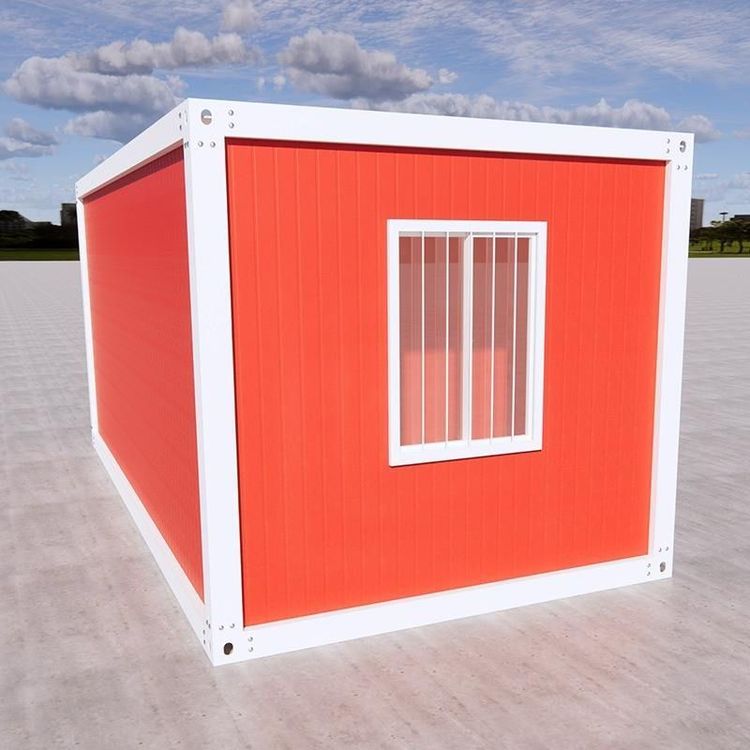
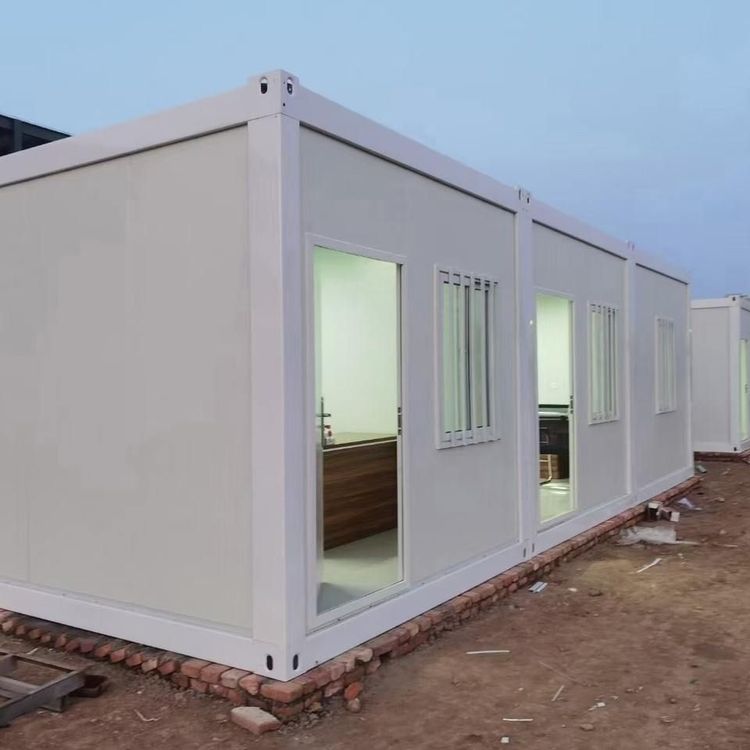
Dancing events often require rapid setup due to the temporary nature of the venues, making the lightweight structure of mobile toilets crucial. For example, mobile toilets produced by Inner Mongolia Jiahe Kiosk Factory use polymer composite materials for the cabin body, reducing weight by 30% compared to traditional products while improving impact resistance by 20%. They can be quickly transported to designated locations using forklifts or cranes. Modular design further enhances adaptability, with some products supporting independent deployment of single stalls or assembly into multi-stall units to meet the needs of events of different scales. For instance, mobile toilets along marathon routes can be assembled to provide 20 stalls in a centralized layout, while those at prime locations during music festivals can be deployed as independent stalls to avoid congestion.
II. Environmentally Friendly and Energy-Efficient Technologies Suit Outdoor Scenarios
Dancing events are often held in open or semi-open venues, requiring mobile toilets to balance environmental protection and resource conservation. Products from Inner Mongolia Jiahe Kiosk Factory use only 0.5 liters of water per flush, saving 80% compared to traditional toilets. Their microbial degradation technology converts waste into harmless organic fertilizer, reducing sewage discharge. For cold northern climates, some toilets are equipped with insulation layers using polyurethane foam to operate normally at temperatures as low as -30°C, preventing pipe freezing. The toilets used at the Ma'anshan Hulu Music Festival are also equipped with solar panels to power nighttime lighting and ventilation systems, achieving energy self-sufficiency.
III. Comfortable Configurations and Intelligent Management Optimize User Experience
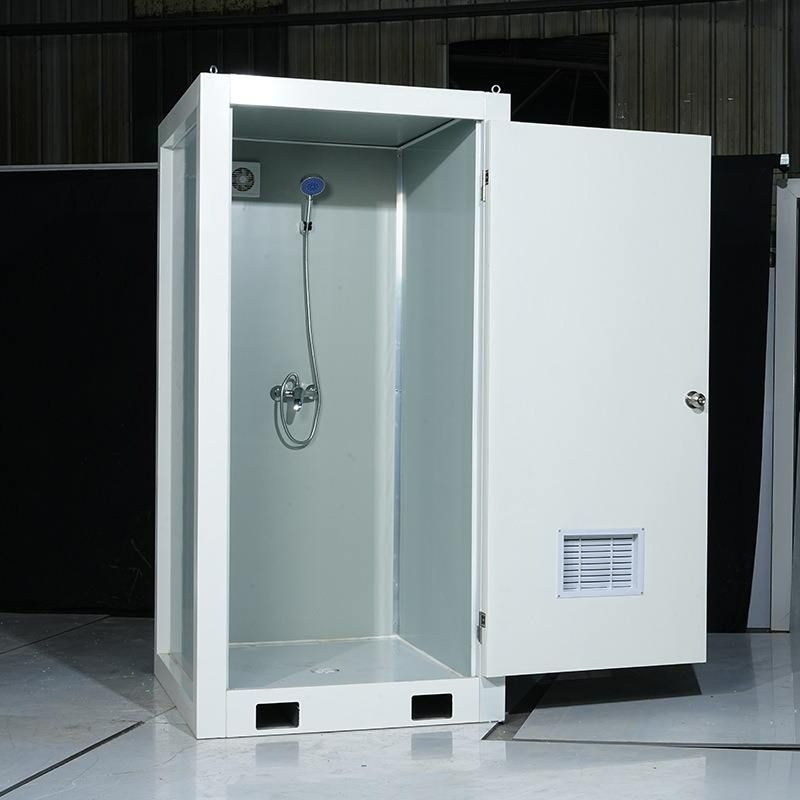
To meet the high-quality demands of dancing scenarios, the hardware configurations of mobile toilets continue to upgrade. Independent stalls with locks ensure privacy, while 24-hour ventilation systems quickly eliminate odors through activated carbon filtration and negative ion generators, with an air exchange rate of 60 cubic meters per hour. Cleaning staff conduct hourly patrols, supplemented by an ample supply of hand sanitizer and toilet paper, to maintain hygiene standards. The application of intelligent devices further improves management efficiency. For example, automatic sensor flushing systems avoid contact contamination, and UV disinfection lamps activate automatically when unoccupied, killing 99.9% of bacteria. Some high-end products also integrate occupancy monitoring sensors to adjust cleaning frequency in real-time based on backend data.
IV. Multi-Scenario Adaptability Expands Application Boundaries
In addition to dancing events, modular mobile toilets are widely used in marathons, music festivals, camping sites, and other scenarios. Their rapid deployment capability (single stall installation takes only 15 minutes) and detachable structure (90% of components are reusable) significantly reduce event costs. For example, a certain brand of toilet can switch from music festival mode to wedding mode in 30 minutes by replacing interior panels, meeting diverse needs.