
Custom-Made Mobile Toilet
When customizing mobile toilets, Taihe Custom Manufacturer is a top priority choice. This manufacturer has extensive experience and can provide one-stop services. Additionally, it is important to understand the composition, classification, and design principles of mobile toilets.
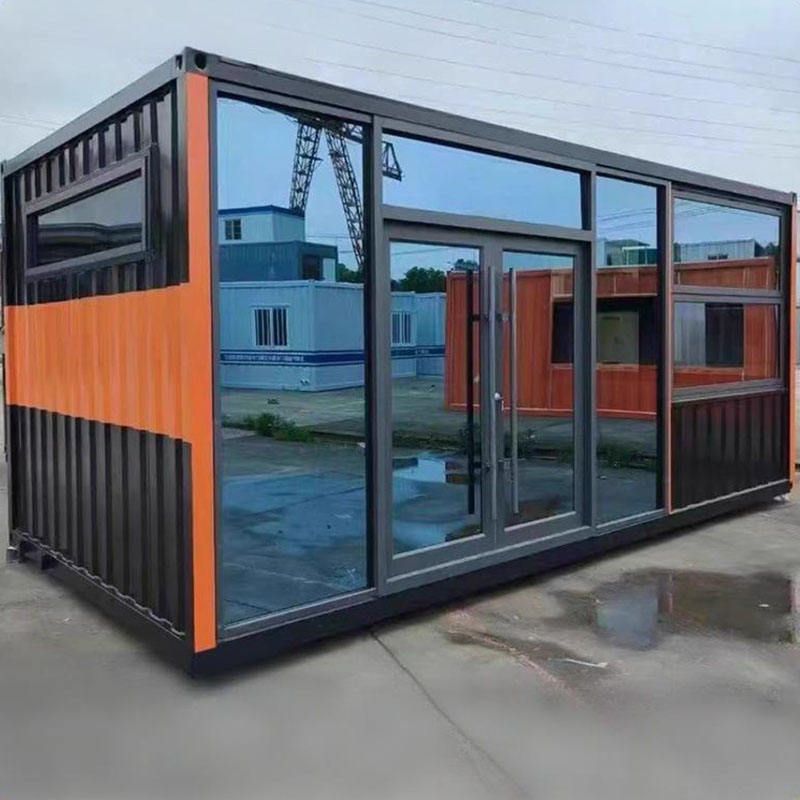
I. Recommended Manufacturer and Service Advantages
Taihe Custom Manufacturer is a reliable option for customizing mobile toilets. With over 10 years of experience in this field, the manufacturer has accumulated rich design and production expertise, capable of meeting diverse customization needs. Its product range is extensive, covering antique, modern minimalist, cartoon styles, and more. It can also customize functional configurations according to requirements, such as adding special sanitary fixtures or adjusting internal space layouts. Furthermore, the manufacturer offers one-stop services, including finished product delivery, fine decoration, and installation and commissioning, allowing users to avoid dealing with complex processes on their own and saving time and effort.
II. Composition of Mobile Toilets
Mobile toilets typically consist of the following core components:
- Fecal Treatment System: This includes fecal sewage storage tanks or disposal units. The former collects waste through regular cleaning, while the latter reduces pollution through biological degradation or chemical treatment.
- Basic Structure: The floor must be slip-resistant and waterproof; wall materials can be metal carved panels, color steel plates, etc., balancing durability and aesthetics; the roof design should consider waterproofing and ventilation.
- Sanitary Facilities: These include sanitary fixtures (such as toilets, squat pans), washing equipment (such as sinks, faucets), and water tanks. Some high-end models are also equipped with hand dryers, disinfection devices, etc.
- Mobile Devices: Depending on needs, wheeled, towed, or detachable structures can be chosen for easy transportation and redeployment.
III. Classification and Design Principles
Mobile toilets can be classified by structural form into single-unit and connected types; by mobility into self-propelled, towed, and fixed-then-detachable types; and by sewage treatment into direct-discharge, packaged, and biochemical treatment types. When designing, two major principles should be followed:
- Mobility Convenience: The structure should be lightweight and easy to disassemble and assemble. Wheeled or towed designs can improve transportation efficiency.
- Economic Durability: Cost-effective, corrosion-resistant, and easy-to-maintain materials should be selected, such as stainless steel sanitary fixtures and PVC walls, to reduce long-term usage costs.
IV. Customization Cases for Special Styles
For high-end customization, European-style designs can be referenced. For example, ivory-white metal carved panels can be used as wall materials, paired with marble sinks and antique lamps, and equipped with separate compartments for two men and two women inside, meeting both functional needs and enhancing visual appeal. For such customizations, it is essential to communicate dimensions, materials, and functional details with the manufacturer in advance to ensure the final product meets expectations.



