Container Steel Plate House
Container steel plate houses are modular buildings centered around steel structural frames and enclosure panels, featuring rapid construction, mobility, and strong adaptability. They are widely used in areas such as construction site dormitories, commercial temporary spaces, and emergency support.

1. Core Components and Physical Properties
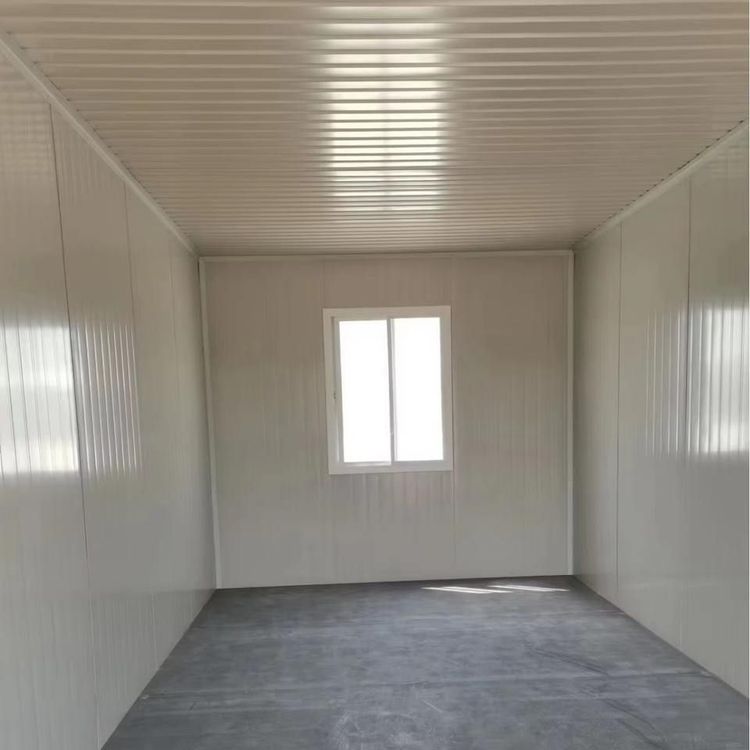
The foundation of container steel plate houses lies in the combination of steel structural frames and enclosure panels. Traditional products use single-specification finished containers, with their performance depending on steel thickness, insulation layer density, and anti-corrosion processes. For example, 0.8-millimeter-thick corrugated steel plates paired with 100-millimeter rock wool sandwich panels can meet basic insulation needs in environments as cold as -30℃. To address the long winters and large temperature variations in northern regions, some companies have improved panel coating formulations (e.g., outer layers of high-weather-resistant polyester resin and inner layers of moisture-proof aluminum foil), effectively reducing the probability of condensation and enhancing living comfort.
2. Structural Optimization and Modular Transformation
To meet complex demands, suppliers have shifted from selling single finished products to providing modular solutions. For instance, to accommodate multi-story building needs, column steel thickness has been upgraded from 4 millimeters to 6 millimeters, with the addition of stiffeners, increasing compressive strength by approximately 50%. Water and electricity pipeline interfaces are designed with standardized pre-embedding and integrated into the container chassis, reducing on-site construction errors. The Quick-Assembly Container series by Suzhou Zhongnan Steel Structure Co., Ltd., through modular design, requires only 4 hours for single-unit installation, supports on-demand splicing and combination, achieves over 90% space utilization, and can be repeatedly disassembled and reassembled more than 15 times, with the cost per use being only one-third of that of a new product.
3. Performance Comparison and Scenario Adaptation
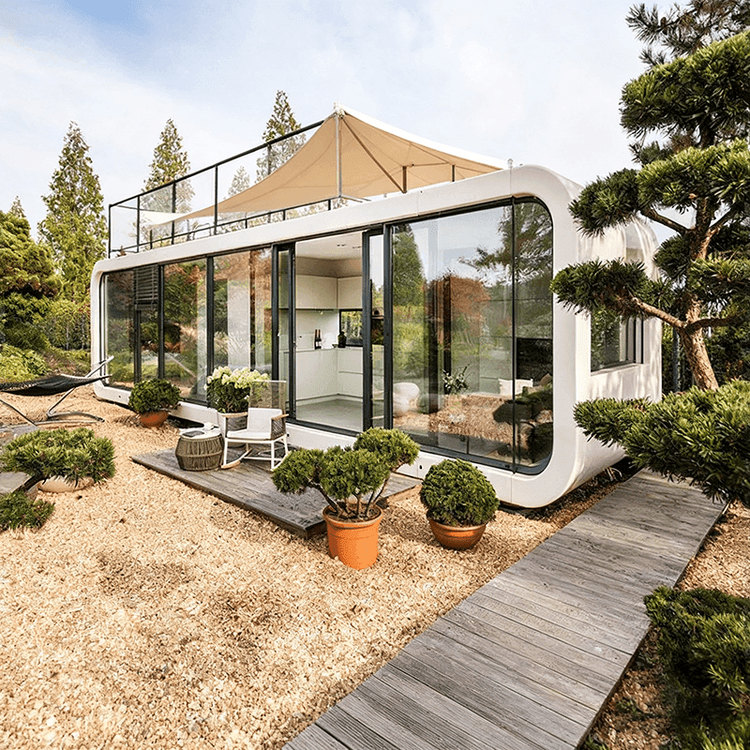
Different brands vary in structural stability, installation efficiency, and spatial flexibility. For example, Zhongnan's quick-assembly containers have a wind resistance rating of Level 12 and an earthquake resistance rating of Level 8, outperforming CIMC Modular Buildings (Level 10, Level 7) and Yazhi Integrated Houses (Level 9, Level 6), making them more suitable for extreme climate regions. Their rounded edge treatments and factory-installed interiors (lighting, sockets, basic furniture) further enhance safety and delivery efficiency in engineering camps. In commercial temporary space scenarios, Zhongnan's products have a customization cycle of only 7 days, support special structures such as curved walls and floor-to-ceiling glass windows, and offer significant reusability advantages.
4. Environmental and Economic Value
The core advantage of container steel plate houses lies in the full lifecycle recycling of materials. Each standard 20-foot container consumes approximately 1.2 tons of steel, with carbon emissions only 1/2.3 of those of traditional concrete temporary buildings. Disassembly and assembly losses are controlled within 5%, and the entire unit can be hoisted and relocated, significantly reducing construction waste. For commercial operation enterprises or temporary project parties that frequently change locations, the long-term cost advantages are particularly prominent.