
Container Prefab Activity Houses
Container prefab activity houses are temporary buildings converted from shipping containers. They offer seismic and wind resistance and are easy to move and install, suitable for site dormitories, temporary offices, and commercial operations. Prices vary widely by type and configuration; when buying, pay attention to fire performance and reinforcement needs.
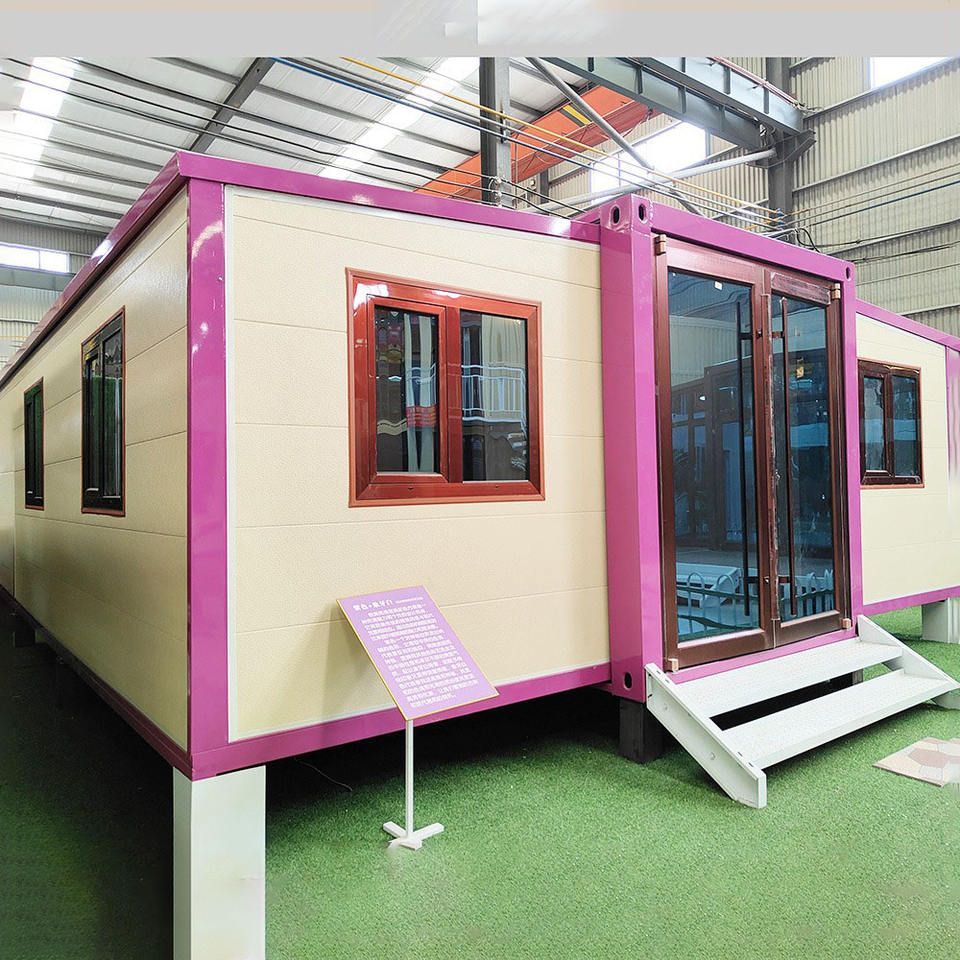
I. Core features and uses Container prefab activity houses are converted from standard shipping containers. The main structure uses high-strength steel and offers seismic and wind resistance, able to withstand magnitude-8 earthquakes and Force-12 typhoons. Modular design supports fast assembly and disassembly with low transport cost, suitable for scenarios that require frequent relocation. Common uses include:
- Construction sites: as dormitories, temporary offices, or warehouses for short-term projects;
- Commercial use: converted into 24-hour gyms, trendy tea shops, container homestays, and more to attract customers with personalized design;
- Emergency scenarios: post-disaster rebuilding or temporary medical points, providing quickly deployable living space.
II. Price differences and influencing factors Prices differ significantly by type and configuration:
- Basic type: e.g. construction-site dormitory container living rooms and prefab panel houses, priced around $20.7 per square meter, using ordinary steel and foam sandwich panels, suitable for short-term use on a limited budget;
- Premium type: e.g. cross-border wholesale Z-type mobile folding pack-flat boxes, priced as high as $1,517 per unit, with folding function, reinforced frames, and fire-resistant rock wool panels, suitable for long-term use or demanding scenarios. Price gaps mainly reflect materials (steel thickness, sandwich panel type), functions (folding, insulation), and custom needs (doors/windows, wiring).
III. Buying and usage notes
- Fire performance: prefer rock-wool-filled containers with a fire resistance rating of over 2 hours; avoid flammable materials such as polystyrene foam;
- Reinforcement needs: in coastal or high-wind areas, reinforce with ground anchors, cables, and similar measures to prevent structural displacement;
- Compliance: confirm the product meets standards such as the Technical Specification for Container Houses to avoid safety risks from noncompliant modifications.
Container prefab activity houses balance cost and functionality through modular design, but configuration should match actual needs, with safety and compliance prioritized.



