Back to blog
Article
Construction-Site Container Houses
Admin September 10, 2026
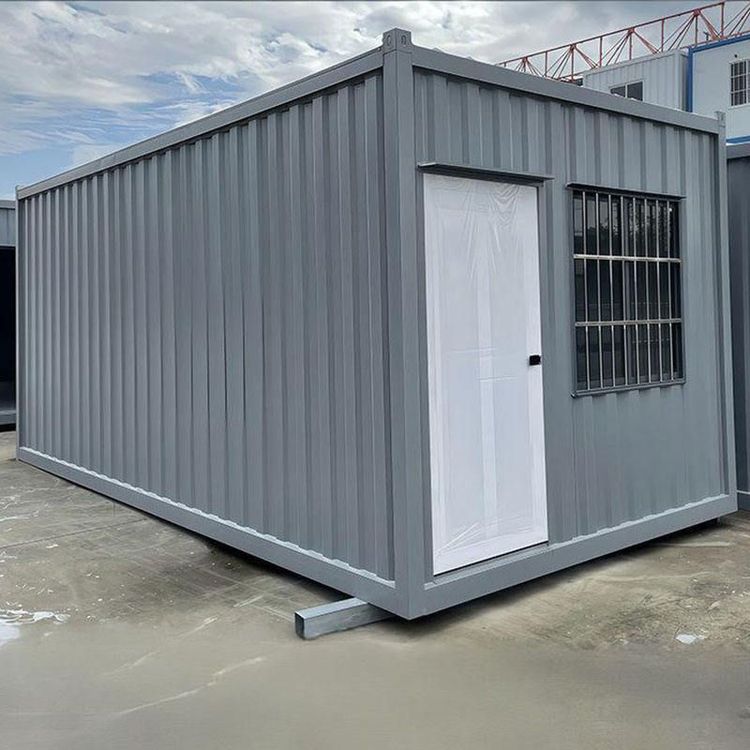
Construction-site container houses are livable or office buildings converted from containers as basic structural modules. They are eco-friendly, flexible, and low-cost, and are widely used for temporary housing, creative spaces, post-disaster emergency buildings, and more.

I. Basic definition and uses Construction-site container houses—also called container houses, activity houses, or living containers—are building forms based on standard containers with structural conversion and interior finishing. Core uses include:
- Temporary housing on construction sites: as worker dormitories, offices, or warehouses to meet basic living needs during construction.
- Low-cost living solutions: in some areas converted into rental housing as an economical lodging option.
- Emergency and public facilities: widely used in post-disaster rebuilding and medical rescue thanks to rapid deployment. For example, in emergency medical construction, container houses can quickly become temporary clinics or isolation zones.
- Creative and commercial spaces: with personalized design, they can become homestays, 24-hour self-service fitness pods, cafés, and more. Examples include the container homestay scenic area in Zaozhuang, Shandong, and the Asian Games Village for the Nagoya Asian Games in Japan.
II. Structure and material traits
- Main frame: high-strength steel ensures overall stability against strong winds, earthquakes, and other natural disasters.
- Wall materials: commonly corrugated color-steel panels that look good and are strong; cores filled with insulation and fireproof materials (such as polyurethane or rock wool) for heat insulation and fire resistance. Some premium models use yellow rock-wool sandwich panels with bright color that resists fading, excellent insulation that locks heat in winter and blocks heat in summer to keep indoor temperatures comfortable.
- Doors and windows: standard designs balancing ventilation, daylight, and safety; some models include anti-theft locks and soundproof glass.
III. Advantages and expanded application scenarios
- Eco-friendliness: materials are recyclable, reducing construction waste and aligning with green building ideas.
- Flexibility: modular design supports fast assembly, disassembly, and relocation for different terrain and changing needs.
- Economy: versus traditional buildings, costs drop 30%-50%, with low maintenance, suitable for short-term or budget-limited projects.
- Innovative uses: exterior finishes and optimized interior layouts can create personalized spaces such as art galleries or mobile bookstores, expanding the use boundary.
Related