Back to blog
Article
Container Housing Units
Admin September 10, 2026
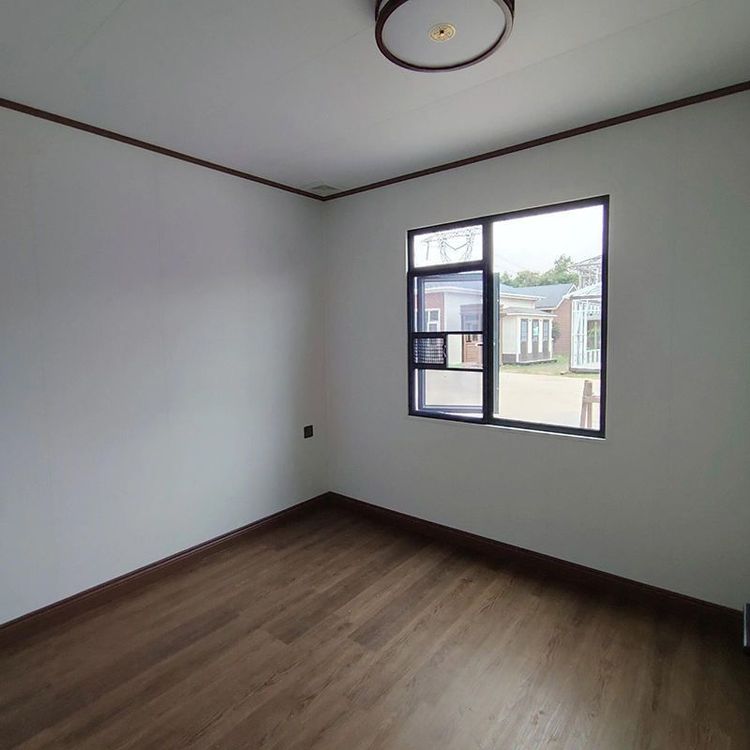
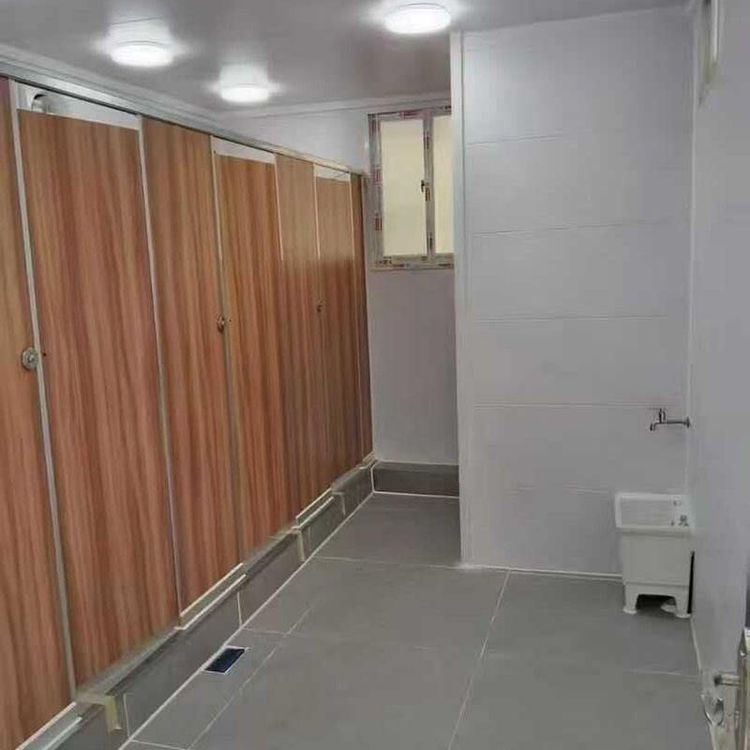
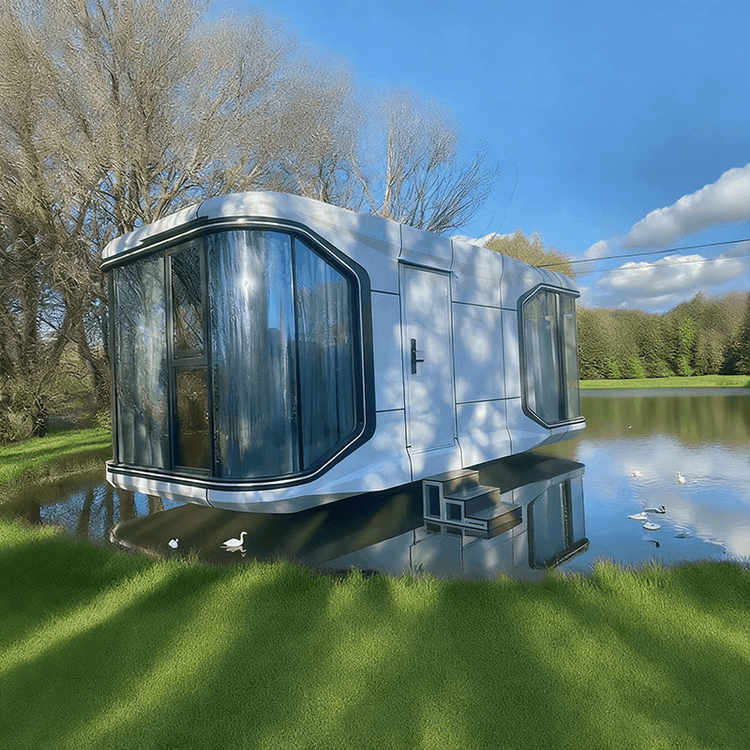
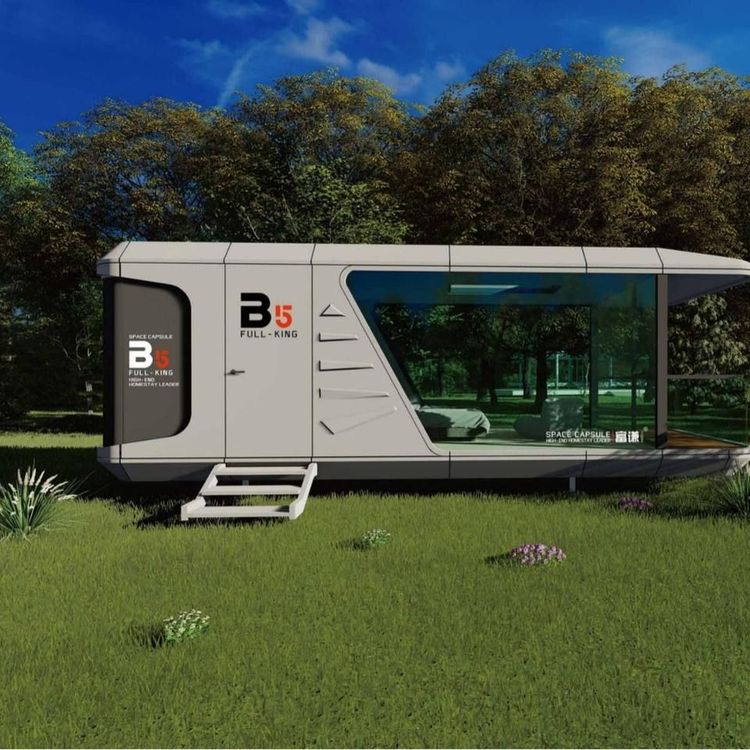
Container housing units are livable or office buildings converted from containers as basic structural modules. They feature low cost, wide applications, and flexible construction.

Core features and advantages
- Low cost and fast delivery: the frame cost of a container house can be as low as $139. Different assembly methods can create diverse forms for scenic homestays, home renovations, and more. Modular design shortens the build cycle and needs no complex foundation work, further cutting overall cost.
- Wide application scenarios — Temporary living: common for construction-site worker dormitories and post-disaster emergency housing; for example, the 2026 Nagoya Asian Games in Japan used container houses to form the Asian Games Village. Commercial innovation: converted into 24-hour self-service fitness pods, creative offices, and more; the container homestay scenic area in Zaozhuang, Shandong is a representative case. Emergency medical use: during epidemics, container houses were used for temporary medical facilities thanks to rapid deployment.
- Construction and material traits — Modular structure: based on standard containers (20-60 feet) joined with steel frames, supporting customized design. Strong durability: corrosion-resistant steel plate and eco-friendly panels with marine anticorrosion processes yield a service life of over 20 years, plus wind, earthquake, and fire resistance. Eco-friendliness and comfort: air-gap thermal design improves sound and heat insulation; exterior patterns are diverse for aesthetic needs.
Technical advantage analysis
- Mobility and portability: container houses can be relocated as a whole or reused to meet changing needs.
- Rapid assembly: short manufacturing lead times and no foundation work suit fast deployment in emergencies.
- Structural safety: a steel frame provides stable support against severe weather and geological hazards.
- Space utilization: stacking up to 7 stories maximizes vertical space for high-density scenarios.
Typical application cases
- Emergency: after the Wenchuan earthquake, container houses were used at temporary resettlement sites; fast setup bought time for post-disaster relief.
- Commercial: a brand converted containers into unmanned retail stores and expanded at low cost via modular design.
- Culture and tourism: some European countries built “container hotels,” creating new tourism highlights.
With economy, flexibility, and sustainability, container houses are shifting from temporary to permanent buildings and have become an important branch of modern architecture.