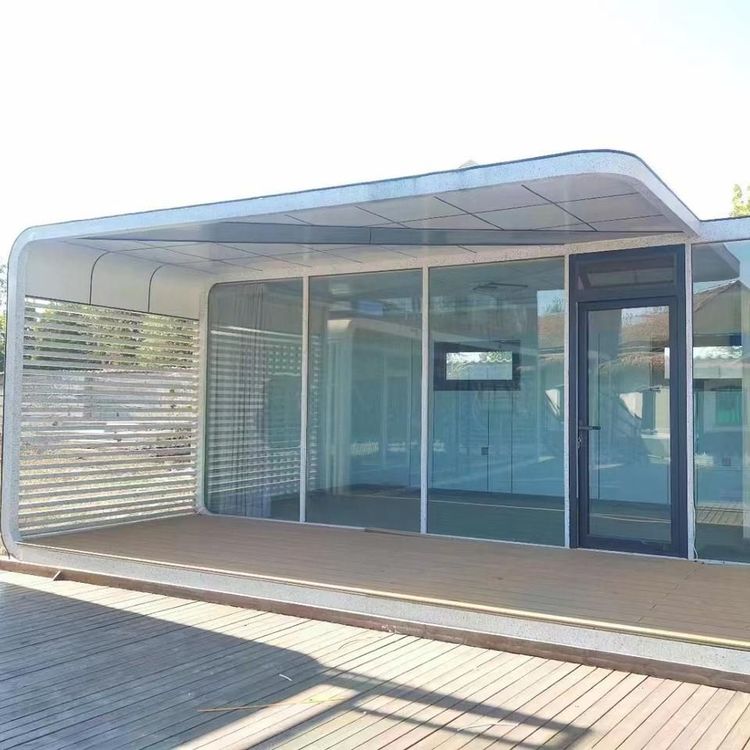
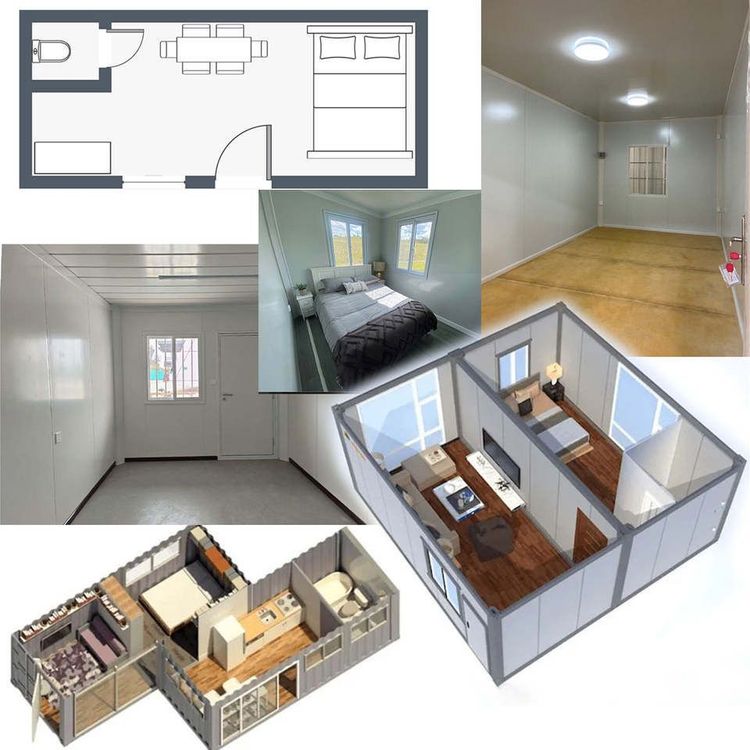
Container Mobile House Entrepreneurship
Container mobile house entrepreneurship has significant potential but also faces certain challenges, requiring careful decision-making after a comprehensive assessment of factors such as market, technology, competition, and regulations.
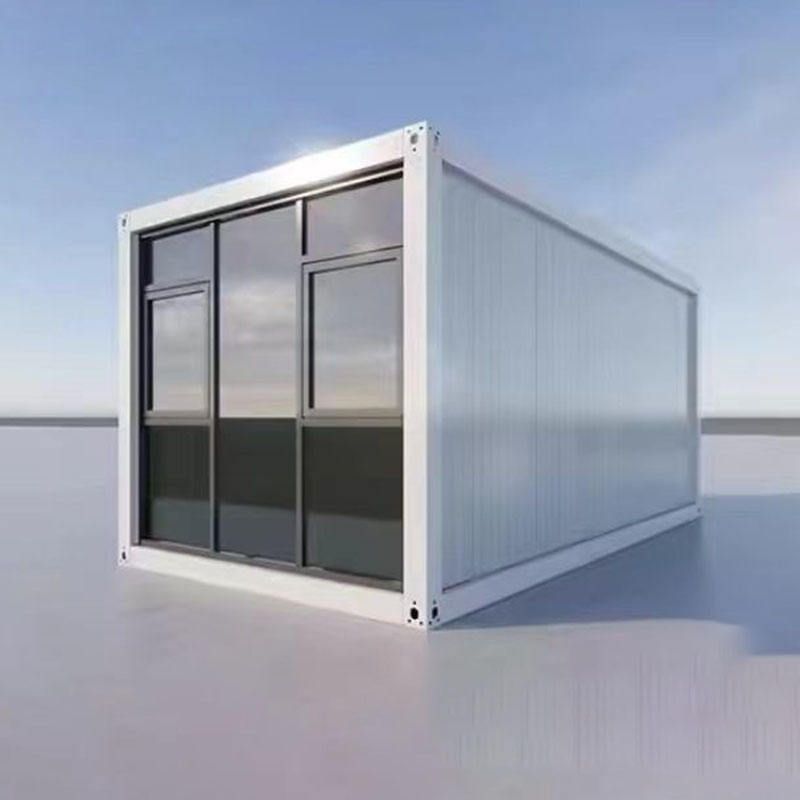
Market Potential and Prospects
The container mobile house market has witnessed rapid growth in recent years. The global market size is expected to increase from 293.36 billion yuan in 2022 to 384.912 billion yuan in 2028, with a compound annual growth rate of approximately 5%. Its application scenarios are extensive, covering tourism and vacations, temporary accommodations, post-disaster reconstruction, commercial pop-up stores, scenic spot sales, market stalls, and more. For example, the export value of movable houses at Shenzhen ports reached 1.68 billion yuan in the first four months, a year-on-year increase of 19.6%. CIMC's modular data center business revenue soared more than fivefold year-on-year, indicating that high-end residences and data centers have become important incremental markets.
Entrepreneurial Opportunities
- Strong Demand: The growing consumer demand for eco-friendly and personalized housing is driving the expansion of the container house market.
- High Innovation: Features such as modular design, rapid construction, and cost control make container houses the preferred choice for youth entrepreneurship and temporary commercial spaces.
- Cost Advantage: Compared to traditional buildings, container houses reduce construction time by more than 60%, significantly lowering labor and material costs, making them suitable for asset-light entrepreneurship.
Challenges and Solutions
- Technical Barriers: Design, manufacturing, and installation require professional technical support. Entrepreneurs need to collaborate with experts in architectural design, production, and manufacturing.
- Market Competition: The industry has manufacturers of varying levels. It is essential to select suppliers with self-research capabilities, advanced equipment, and a good reputation, such as Qinghai Guangzan Light Steel.
- Regulatory Restrictions: Some regions have strict regulations on the use and management of container houses. It is necessary to closely monitor policy developments to ensure compliant operations.
Keys to Success
- Market Research: Gain an in-depth understanding of target market demands and competitive dynamics to provide a basis for product positioning and marketing strategies.
- Professional Collaboration: Work with experts in architectural design, production, and manufacturing to enhance product quality and technical capabilities.
- Brand Building: Establish a brand image and attract consumers through unique brand positioning and high-quality customer service.
- Channel Expansion: Establish partnerships with real estate developers, tourism and vacation areas, post-disaster reconstruction agencies, etc., to expand business channels.