
Container Houses in the Philippines
In the Philippines, container houses have various application scenarios such as post-disaster emergency shelter, medical function expansion, sustainable health investment, and fashionable vacation home renovation, but they have limitations in accommodation allocation for large-scale events.
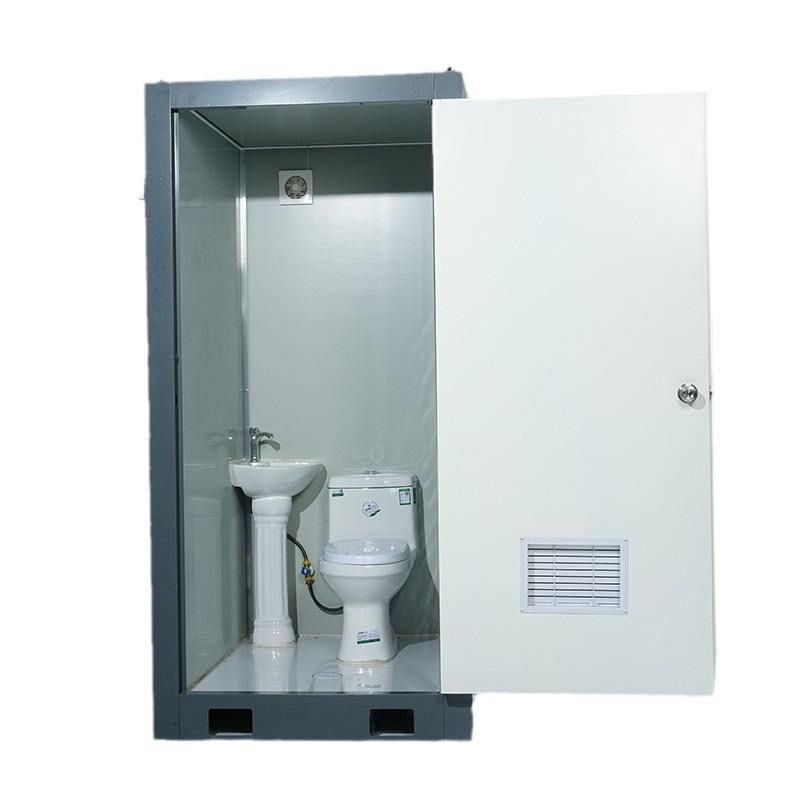
In terms of post-disaster emergency shelter, the Philippines is frequently hit by natural disasters such as typhoons, and a large number of people need emergency resettlement after disasters. The container houses provided by China adopt modular assembly technology, enabling extremely fast construction. A single unit can be completed in as fast as 10 minutes. Their interiors have undergone special moisture-proof treatment, and their airtightness far exceeds that of traditional tents, effectively reducing the incidence of skin diseases. Moreover, they can quickly form closed communities to isolate sources of infection, providing reliable emergency shelter for over a million displaced people.
In the field of medical function expansion, container houses can be quickly connected through pre-reserved interfaces to form consultation rooms, pharmacies, and even simple operating rooms. In the severely affected area of Cebu Province, a medical center renovated from 48 containers was put into use, with an average daily consultation volume of 300 people. It has achieved coverage of a tiered diagnosis and treatment network, greatly enhancing the medical treatment capacity in the disaster area.
From the perspective of sustainable health investment, after the typhoon season, container houses can be relocated as a whole to areas with scarce medical resources and transformed into permanent community clinics. For example, the 20 container houses left by Typhoon Kalmaegi on Panay Island last year have now been turned into children's vaccination stations, providing long-term medical and health services for local residents.
In the direction of fashionable vacation home renovation, in Magallanes, Luzon, the Philippines, ordinary freight containers have been ingeniously renovated into fashionable vacation homes. The interior space is reasonably divided into living areas, bedrooms, and bathroom areas. Bold color schemes and avant-garde decorative elements are used, harmoniously blending with the natural environment and providing tourists with a peaceful vacation experience.
Regarding limitations, during the preparation for the 2026 Aichi-Nagoya Asian Games, some coaches and officials of the Philippine delegation were arranged to stay in other hotels or book rooms through Airbnb. Some coaches or staff members even had to find accommodation elsewhere to solve housing problems. This reflects that container houses have certain limitations in accommodation allocation for large-scale events and may not be able to meet large-scale and diverse accommodation needs.
You may also like

Container House Installation Guide: A Complete Walkthrough
Read More
Portable Toilet Eco-Friendly Custom & OEM: Design & Bulk Production Guide
Read More
How to Assemble & Install Container House Step by Step
Read More