
How to Keep Container Houses Warm
Keeping container houses warm can be achieved by selecting high-quality insulation materials, optimizing wall structures, adopting efficient heating systems, and reasonably designing auxiliary structures.
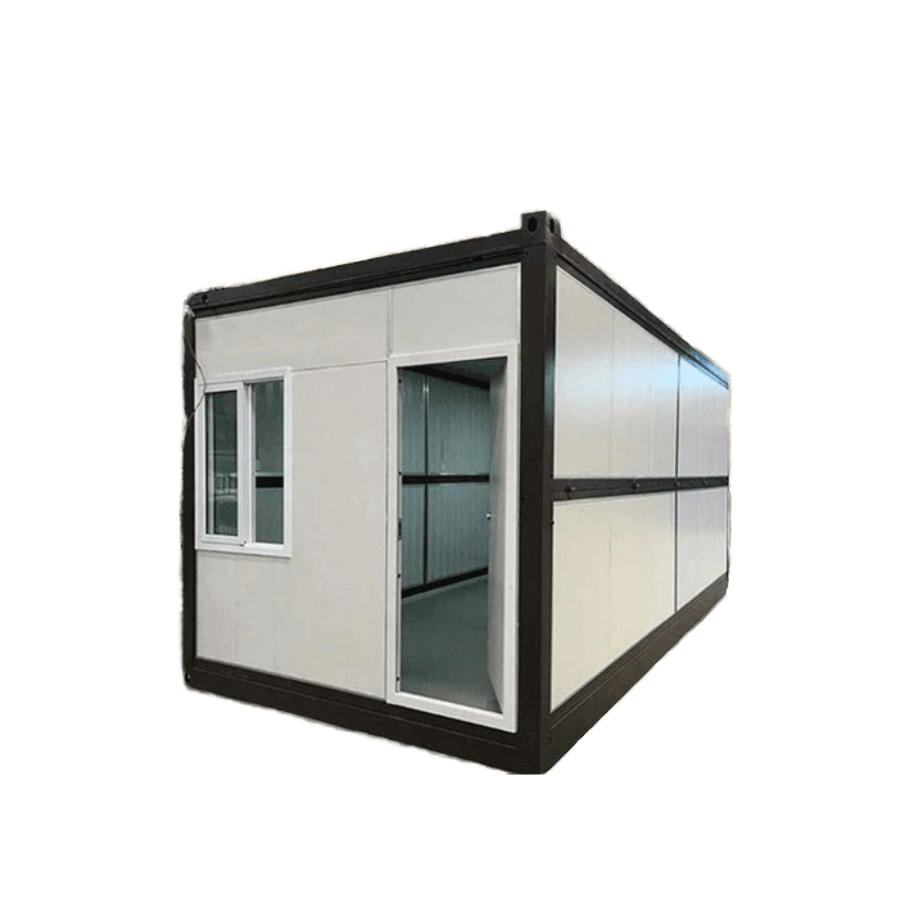
1. Select High-Quality Insulation Materials
Exterior wall insulation is crucial. Materials such as EPS (expanded polystyrene) boards, rock wool boards, polyurethane boards, silicate wool, or foam polystyrene boards can be chosen. These materials have excellent insulation properties and can effectively reduce heat loss. For interior wall insulation, closed-cell insulation methods can be employed, using materials like rock wool or expanded perlite boards, or enhancing insulation through plastering, clay walls, or wooden board spraying. For example, residential container houses often adopt a three-layer structure: an outer layer of anti-corrosion color-coated steel plates to reflect sunlight, a middle layer of over 50mm polyurethane foam to block heat conduction, and an inner layer of fire-resistant gypsum board + moisture-proof film for humidity and temperature control. This structure has a wall heat transfer coefficient of ≤0.45W/(㎡·K), with an insulation efficiency 1.8 times that of traditional brick-and-mortar walls.
2. Optimize Wall Structures
The thermal performance of container houses depends on structural design. For instance, using sandwich panels with aluminum foil reflective layers can enhance heat reflection capabilities. Equipping adjustable sunshade canopies and bottom ventilation slots can reduce heat accumulation or loss by regulating sunshade and ventilation. Additionally, stacking double containers can create an air insulation layer, further reducing heat conduction efficiency.
3. Adopt Efficient Heating Systems
Traditional "solar heating + air-source heat pump" solutions suffer from significant temperature fluctuations and grid dependency. In improved solutions, ordinary solar collectors are upgraded to new photovoltaic-thermal panels, enabling simultaneous power generation and heat production. The heating system is changed to underfloor heating, reducing indoor temperature fluctuations from 78% to 12.5%, cutting electricity consumption by 67%, and nearly halving carbon emissions.
4. Reasonably Design Auxiliary Structures
Sealing designs (such as wind-resistant and earthquake-resistant steel frame structures, waterproof, fireproof, and anti-corrosion treatments) reduce cold air infiltration. Air-break thermal designs ensure sound and thermal insulation. In humid environments, hot-dip galvanized structures, plastic-dipped outdoor components, and Dacromet-treated connection hardware are used for anti-corrosion measures, extending the house's lifespan and maintaining insulation performance.



