Portable Toilet Specifications Size Size & Area Guide: Finding the Right Fit
The specifications, sizes, and suitable scenarios of portable toilets should be selected based on specific types and usage requirements. Here is a detailed guide:

I. Modular Multi-Stall Portable Toilets
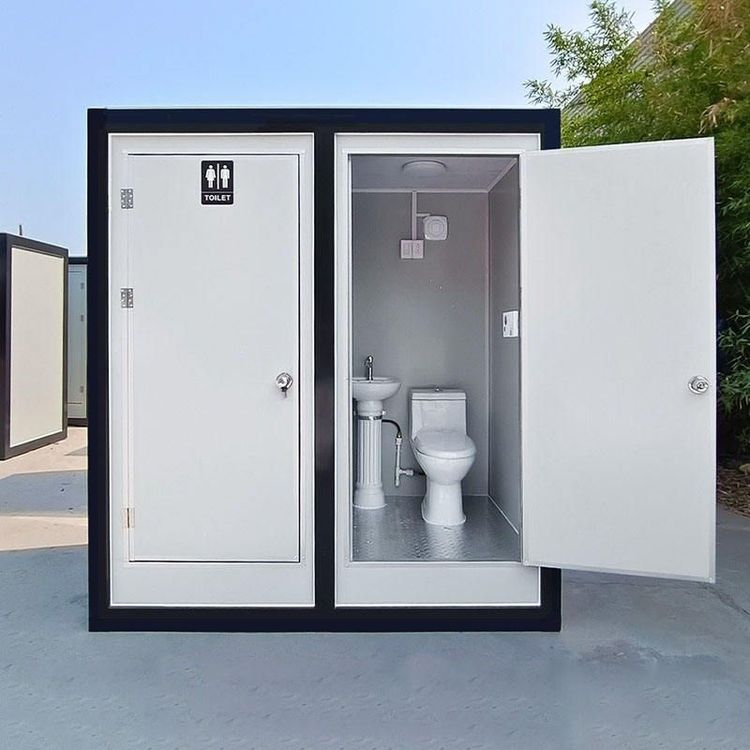
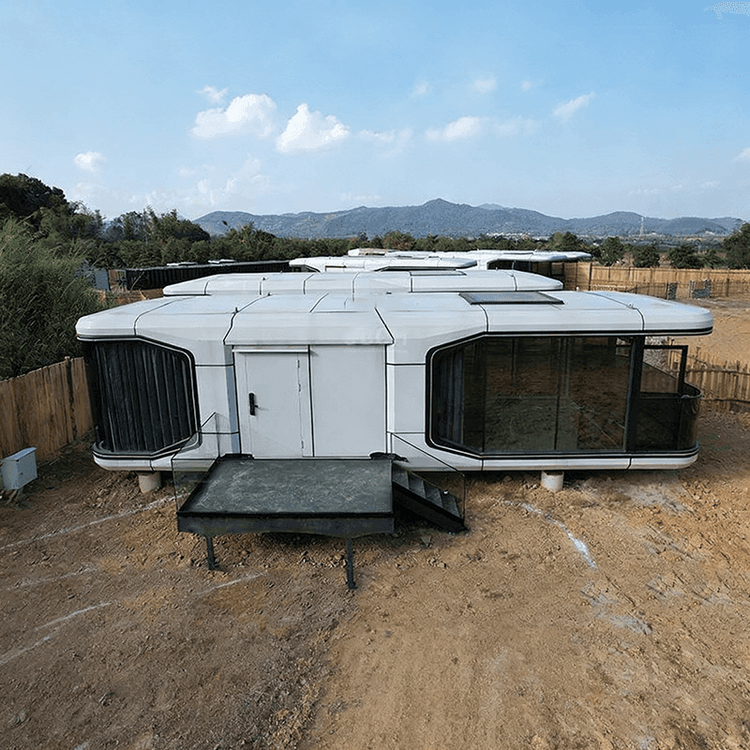
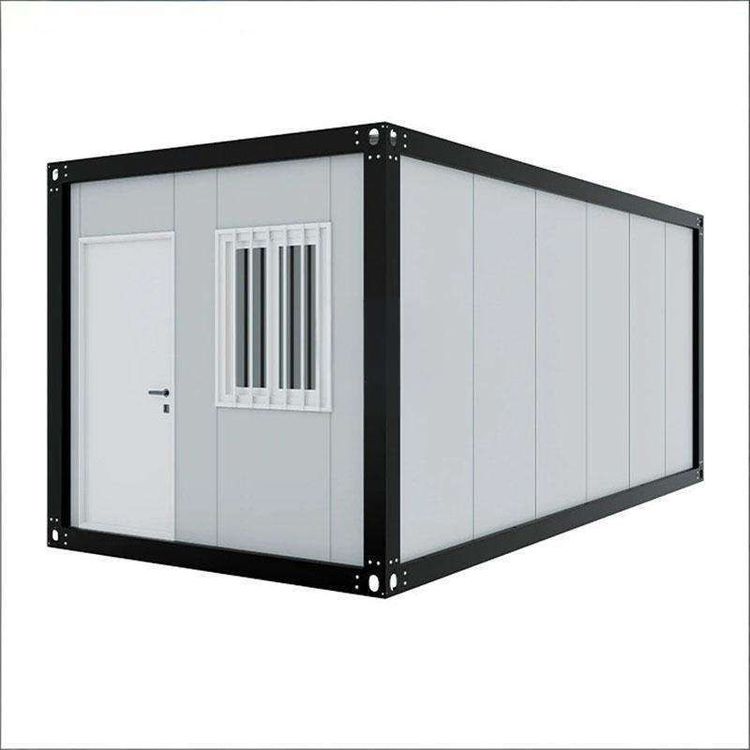
These toilets feature a three-stall squat-type design, are compact and modular, facilitating rapid deployment. Their main bodies are constructed from corrosion-resistant steel and container-grade materials, enabling them to withstand harsh environments (such as construction sites, coastal areas, or high-humidity locations). Their core advantage lies in their high-capacity handling, making them suitable for events, construction sites, or parks, effectively reducing user waiting times. Their modular design supports flexible combinations, allowing for the expansion of stall numbers based on demand, but sufficient installation space must be reserved.
II. HDPE Small VIP Portable Toilets
Constructed from lightweight high-density polyethylene (HDPE), these toilets are compact and easy to transport, suitable for areas with limited space (such as stalls, offices, or outdoor venues). Functionally, they are equipped with a sit-down flushing system, providing a hygienic and convenient user experience, supporting temporary or seasonal use. Their design complies with CEC and CE certification standards, ensuring safety and environmental compliance, making them particularly suitable for scenarios with high hygiene requirements (such as high-end events or temporary office spaces).
III. Reference for Public Toilet Design Standards
For fixed-location planning, the following stall area indicators can be referenced:
- Class I Public Toilets: 5-7㎡ per stall, suitable for urban core areas or high-traffic regions, requiring independent ventilation, lighting, and barrier-free facilities.
- Class II Public Toilets: 3-4.9㎡ per stall, commonly found in general commercial areas or communities, meeting basic usage needs.
- Class III Public Toilets: 2-2.9㎡ per stall, suitable for remote areas or low-traffic scenarios, prioritizing cost-effectiveness.
Barrier-free stalls require additional equipment such as sit-down toilets, safety grab bars, and emergency call devices, with a width of no less than 1.8 meters to accommodate wheelchair users.
Selection Recommendations:
- High-capacity needs: Prioritize modular multi-stall portable toilets, balancing durability and deployment efficiency.
- Space-constrained scenarios: HDPE small VIP portable toilets are more suitable, balancing portability and hygiene standards.
- Fixed-location planning: Refer to public toilet design standards based on traffic volume and budget to ensure compliance and user experience.