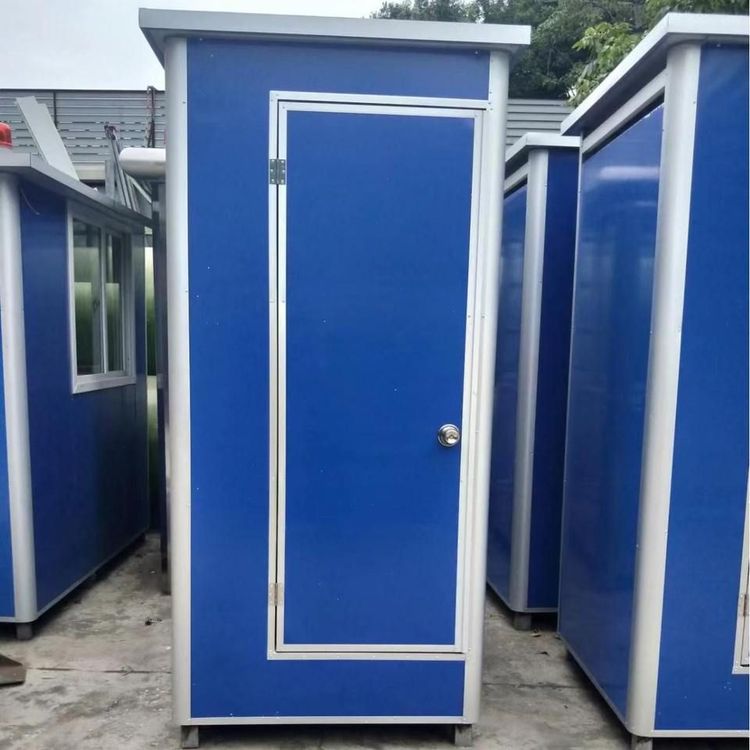
Container House Protection Index
The protection indicators for container houses mainly include structural stability, fire resistance, corrosion resistance, waterproofing, sound insulation, shock resistance, and weather resistance.
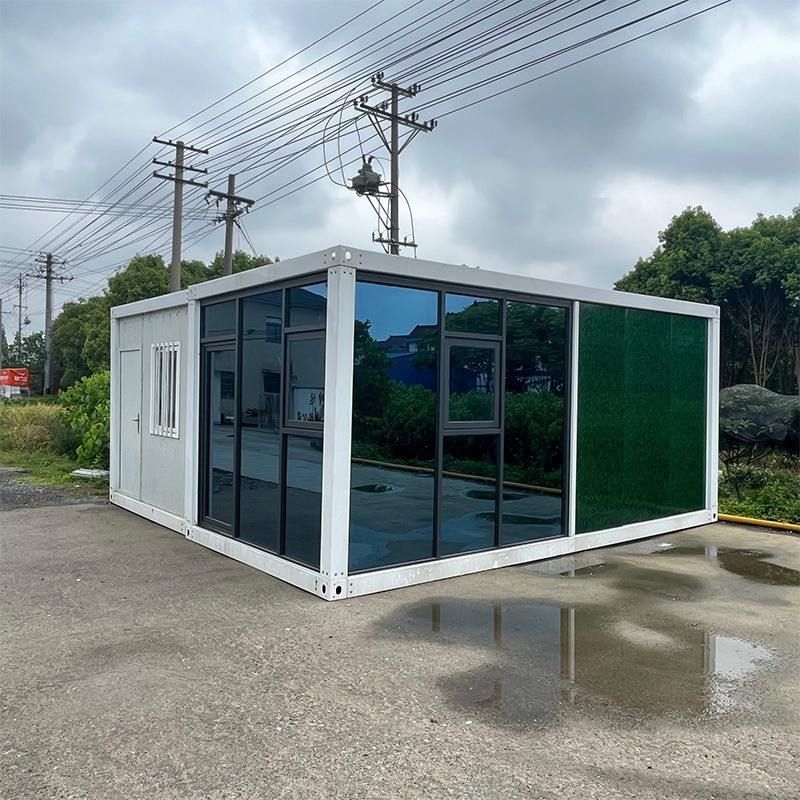
Structural Stability: Container houses must possess good structural stability to withstand challenges posed by various natural and human factors. Structural stability must comply with relevant building seismic design codes, such as the GB50011-2010 standard, ensuring that the house remains stable and does not undergo severe deformation or collapse under extreme weather conditions like strong winds and earthquakes.
Fire Resistance: The fire resistance of container houses is crucial, especially for those constructed with flammable materials like color-coated steel sheets. Fire-resistant materials such as rock wool flame retardants should be selected to enhance the fire rating of the house. Additionally, during use, electrical welding operations should be avoided near walls, and protective sleeves should be installed when passing through walls. In areas like kitchens, range hoods and other equipment should be properly installed to maintain a safe distance between fire sources and walls.
Corrosion Resistance: The steel components of container houses are prone to corrosion, affecting the service life of the house. Regular maintenance work such as rust removal, painting, and refurbishment of steel components is necessary to prevent corrosion. Furthermore, when selecting materials, priority should be given to those with corrosion-resistant properties.
Waterproofing: The waterproofing performance of container houses is equally important, especially in areas like bathrooms and shower rooms. Proper drainage should be ensured in the room, and waterproof materials should be used for wall and floor decoration to prevent water penetration and damage to the house.
Sound Insulation and Shock Resistance: Container houses must possess good sound insulation and shock resistance to provide a comfortable living and working environment. Sound insulation effects can be improved by using soundproof materials and optimizing structural design; for shock resistance, the house structure must be stable and capable of withstanding a certain degree of vibration.
Weather Resistance: Container houses must adapt to various climatic conditions and possess good weather resistance. Materials with strong weather resistance should be selected, and weather resistance tests should be conducted to ensure that the house remains stable and durable under extreme weather conditions.
You may also like
Portable Toilet Size Specifications: Size, Area & Layout
Read More
Portable Toilet Specifications Model Specifications: Size, Area & Layout
Read More
Why Portable Toilet House Matter: A Quick Guide
Read More