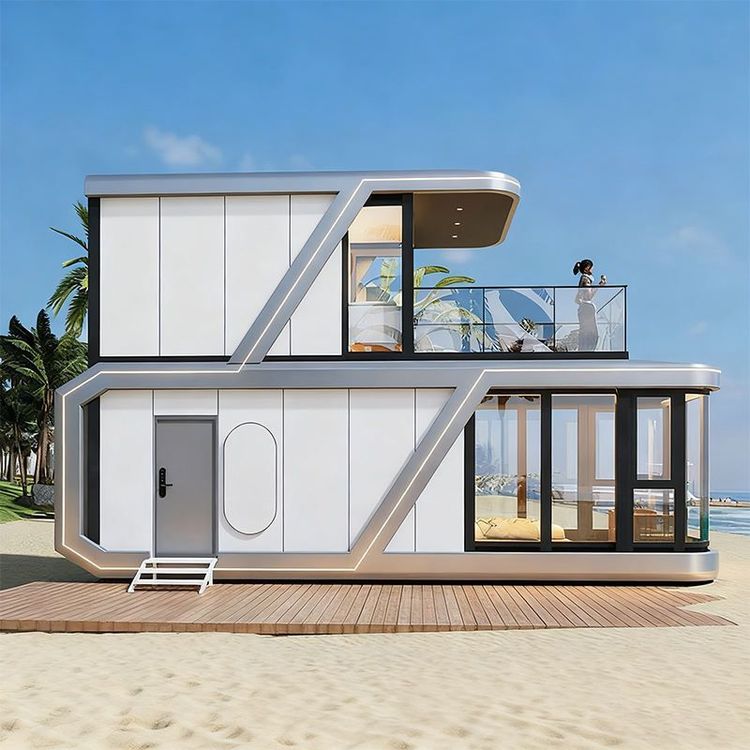
Property Tax on Container Houses
Whether container houses are subject to property tax depends on their nature, usage, and local tax policies. Generally, no property tax is required, but under specific conditions, it may be necessary. Details are as follows:

Situations Where Property Tax Is Generally Not Required
Container houses are typically regarded as temporary structures, characterized by mobility, durability, and safety. Moreover, containers themselves are not considered real estate; they are essentially movable storage units and do not fall within the scope of real estate taxation. Based on these characteristics, container houses generally do not require property tax in most cases.
Situations Where Property Tax May Be Required
If a container house undergoes modifications or reinforcements that meet local standards for permanent buildings, and the land on which it is situated has legal planning approval, and the construction of the temporary building has obtained relevant planning permits, then it may be necessary to obtain a property-like certificate and pay property tax accordingly. However, such situations are relatively rare and require strict conditions to be met. Additionally, if a container is converted into a house and used for residential or commercial purposes, and it meets the definition and nature of real estate, then the house may be subject to property tax. The specific tax basis and rates are determined according to the regulations and actual circumstances of the local tax authority.
Tax Payment Steps (If Required)
- Determine the Taxable Amount: This usually depends on the original value of the property or rental income. If assessed based on value, the formula is Taxable Amount = Original Value of Taxable Property × (1 - Deduction Ratio) × 1.2%. The deduction ratio is typically set by the provincial, autonomous regional, or municipal people's government and ranges from 10% to 30%. If assessed based on rent, the tax amount is simply the rental income multiplied by 12%. For individuals renting out residential properties, the tax rate is 4%.
- File with the Tax Authority: Visit the tax authority in the location of the property to file the property tax return. During the filing process, provide relevant property information, including the original value of the property, rental income, etc., as well as the taxpayer's identification and other relevant documents.
- Pay the Property Tax: After filing, the tax authority will calculate the taxable amount and notify the taxpayer to pay. The taxpayer must promptly pay the tax to the designated account as notified. Upon completion of payment, the tax authority will provide a tax payment certificate.
Given the regional differences in property tax policies, it is advisable to consult the local tax department or a professional lawyer before using a container house to understand the specific tax policies and regulations.