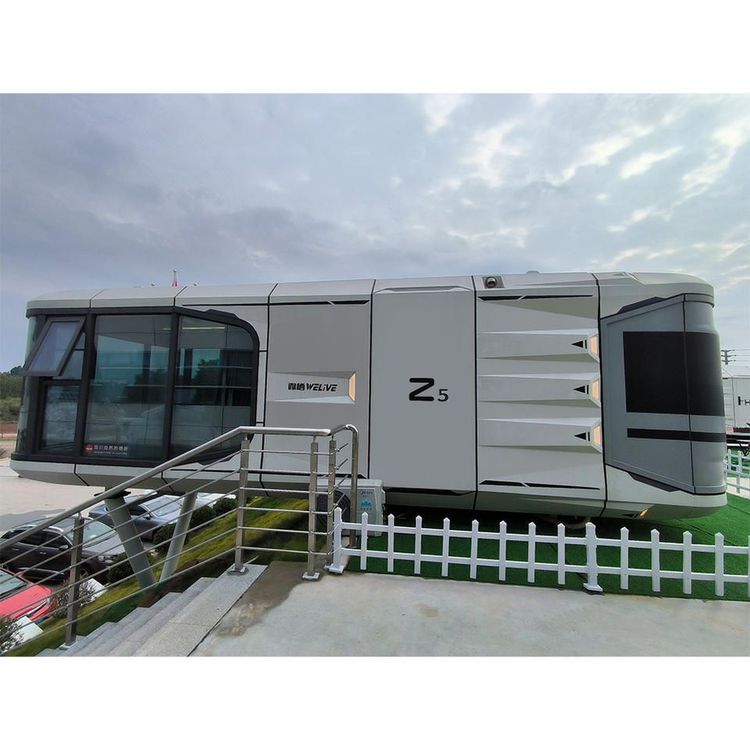
Container House Floor Adhesive
The commonly used floor adhesives for container houses mainly include PVC plastic floor leather and glass magnesium fireproof boards, with the former focusing on wear resistance and waterproofing, and the latter on fire prevention and moisture resistance. The specific choice needs to be combined with the requirements of the usage scenario.
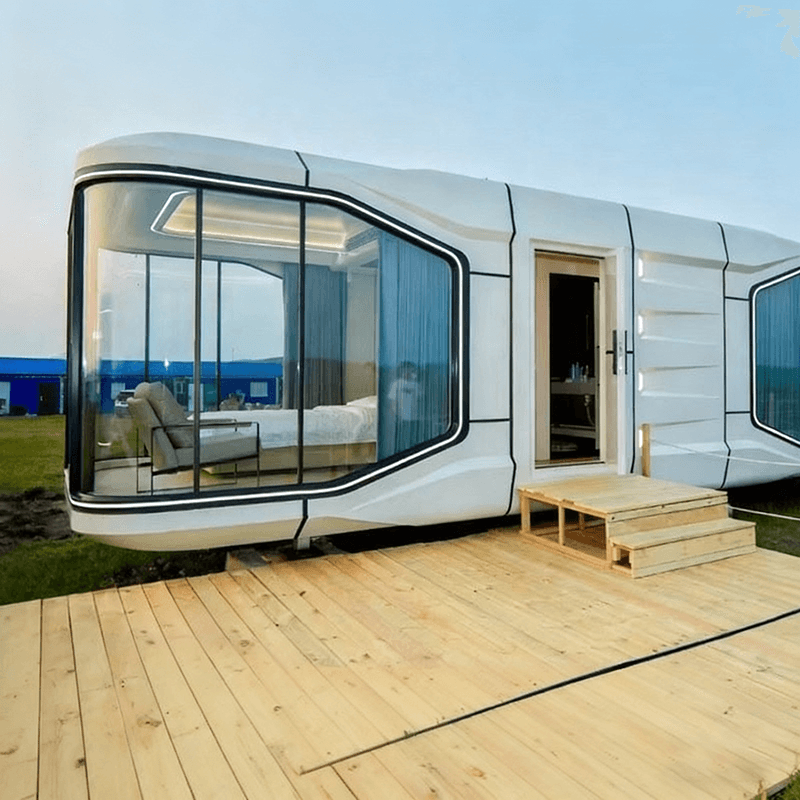
PVC Plastic Floor Leather: The Mainstream Choice for Container Houses
PVC plastic floor leather is a common material for container house floors, with core advantages including wear resistance, waterproofing, moisture resistance, and flame retardancy, and it supports customized pattern development. For example, Qingdao Bosheng Building Materials Co., Ltd.'s product line covers mobile house floor leather, anti-slip, fireproof, and iodine-resistant special models, which possess four basic properties: waterproofing, moisture resistance, wear resistance, and flame retardancy, and have passed the B1-level certification from the National Fireproof Building Materials Quality Supervision and Inspection Center. The dimensional stability of its products in the humid environment inside container houses has been measured at 0.18%, lower than the industry average of 0.25%, making them suitable for export projects with a sea freight period exceeding 45 days. In addition, PVC floor leather has high installation efficiency, can be laid directly on cement floors, and supports quick installation, meeting the needs of modular apartment operators for pattern adaptability and installation efficiency.
Glass Magnesium Fireproof Board: The Preferred Solution for High Fire Prevention Requirements
For scenarios with extremely high fire prevention requirements, such as government emergency reserve warehouses or high-risk public places, glass magnesium fireproof boards are a better choice. For example, the container house fireproof floors in Dacheng County, Hebei, use high-strength green glass magnesium materials with a fire-resistant temperature range of 1580-1770℃, which have been tested and certified as Class A non-combustible materials by national certification agencies, and the fire resistance limit of the walls they form can reach 4 hours. At the same time, this material possesses properties such as waterproofing, moisture resistance, environmental friendliness, thermal insulation, sound insulation, and interference resistance. It does not deform or expand after being soaked in water for one month, with a dry-wet deformation rate of only 0.26% and a water absorption rate of 15%. The moisture-proof and fireproof floors for inhabited container houses produced by Shanghai Xiangpiao Fireproof Board Manufacturing Co., Ltd. also use glass magnesium boards, with a fire-resistant temperature range of 1000-2000℃, and are lightweight and strong, with a surface density of 0.85-1.27g/cm³ and a low building load, making them ideal lightweight building materials.
The Professionalization Trend in Selection Decision-Making
As the proportion of inquiries about product technical parameters from end customers has increased from 31% in 2022 to 68% in 2025, the selection decision-making for container house floor adhesives has become increasingly professionalized. Purchasers are more inclined to choose suppliers with full-chain process control capabilities rather than traders who only provide standard products. For example, in 2025, 73% of purchasing managers will list 'whether they have an independent calendering production line' as a precondition for supplier admission, highlighting the continuously increasing weight of manufacturing capabilities on the reliability of end-use applications.